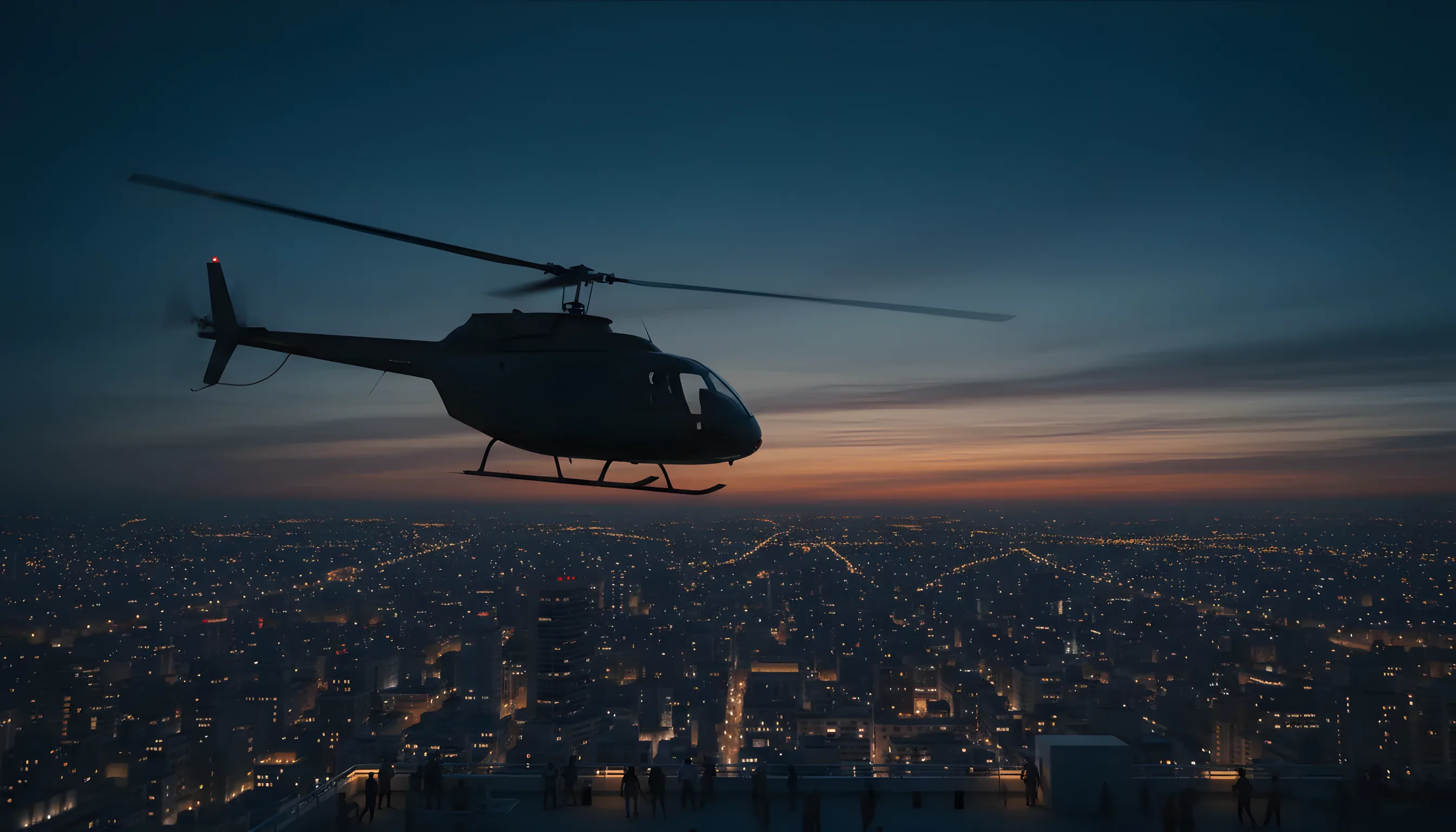
Are helicopter rides worth the experience? For most people who take one, the answer depends on three things: where you fly, how long you are in the air, and what you want from the trip. A sightseeing tour is about the view. A transfer flight is about the time you save. This guide covers what to expect, how safety works, what drives the cost and how to plan your first flight.
Key Takeaways
- A helicopter ride gives you a view of a city or landscape that you cannot get from the ground.
- Flights for hire in the United States are operated by FAA-certificated carriers that must meet federal pilot and operating rules.
- Cost depends on the destination, the length of the flight and whether you book a shared seat or a private aircraft.
The Thrill of a Helicopter Ride
The best part of a helicopter ride is the lift-off. The aircraft rises straight up, the ground drops away and the view opens in every direction. A helicopter flies lower and slower than an airliner, so you see streets, coastlines and landmarks in detail instead of as a pattern far below.
For many passengers, the surprise is seeing a familiar place from above. A city you know well looks different when you can follow its rivers, bridges and parks in one sweep.
Safety Measures and Pilot Expertise
In the United States, on-demand flights for compensation, such as air charter and air taxi flights, fall under the FAA's Part 135 rules. Those rules set minimum experience for the pilot in command: at least 500 hours as a pilot for flights under visual flight rules, and at least 1,200 hours for flights under instrument flight rules.
Before you book, ask who operates the flight and under which certificate. A reputable company will tell you.
On the day, the crew will brief you. Expect to hear how to approach and leave the aircraft, how to fasten your seat belt, where the exits are and what to do in an emergency. Follow every instruction from the pilot and ground crew. Tell the crew about any medical condition, and be ready to give accurate weights for yourself and your bags, because weight affects how the aircraft is loaded.
Weather is checked before every flight. If conditions are not safe, the flight is delayed or cancelled.
Popular Destinations for Helicopter Tours
Some places are best understood from the air:
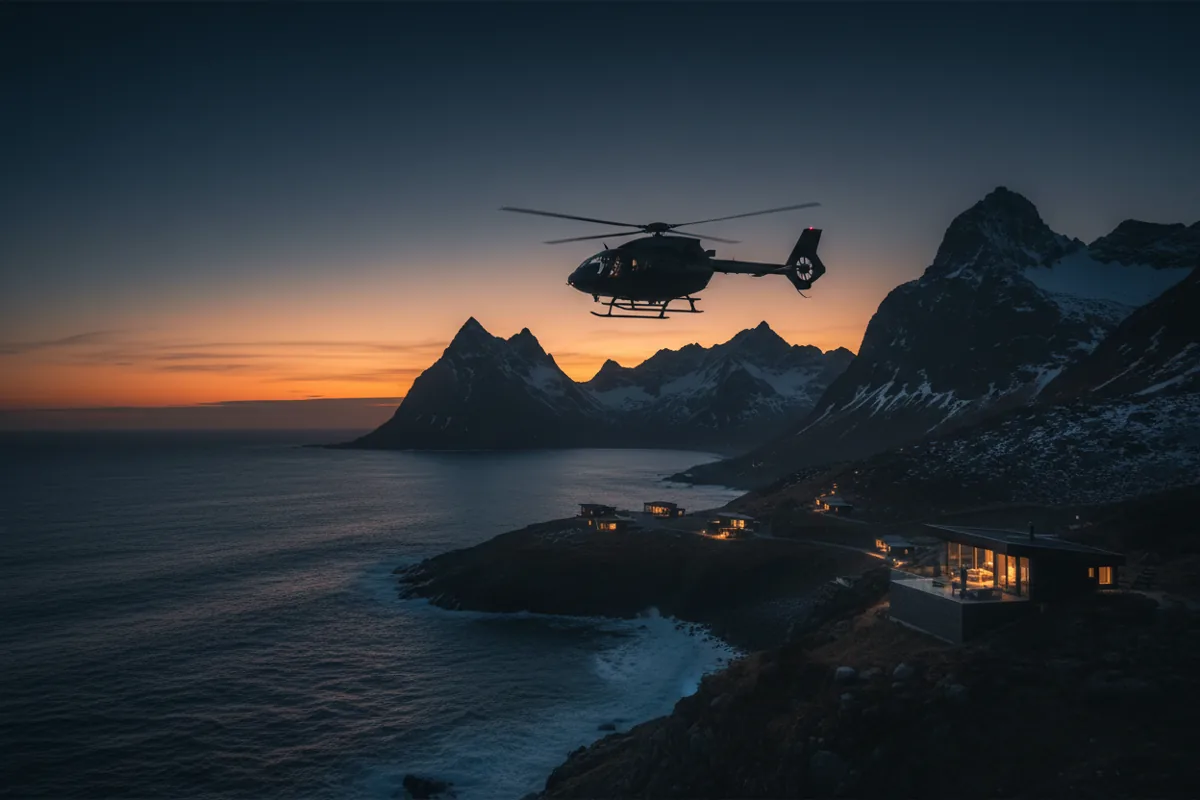
- The Grand Canyon. The scale of the canyon and its layers of rock are easier to grasp from above. Some tours land at sites on Hualapai and Navajo Nation lands.
- Las Vegas. A night flight over the Strip shows the city lit up below you.
- Victoria Falls, on the border of Zimbabwe and Zambia. Tours fly over the falls and the gorge below.
- Hawaii. Flights cover rainforest, volcanic craters and coastline that are hard to reach by road.
- New York City. Sightseeing flights over Manhattan depart from the Downtown Skyport, the only city heliport base for tourist helicopter flights.
Cost vs. Experience: Is It Worth the Price?
A helicopter tour costs more than most sightseeing options. What you pay depends on:
- Flight length. Short scenic hops cost far less than long tours with a landing.
- Seat or aircraft. A shared tour sells individual seats. A private charter reserves the whole aircraft for your group.
- Extras. Hotel pickup, landings and park admission are sometimes included and sometimes added. At Grand Canyon West, for example, the Skywalk is included in the All-Access Pass.
Compare what is included, not just the headline price. A slightly higher fare that covers transfers and fees can be the better value.
Experience scenic flights with BLADE
BLADE does not sell sightseeing tours. It offers flights that get you somewhere, and the view comes with the trip. BLADE Airport offers flights between Manhattan and JFK or Newark in about 5 minutes, from $195 per seat, and BLADE's own description is that the fastest way between Manhattan and the airport is also the scenic route. BLADE also arranges private helicopter, jet and turboprop charters. All flights BLADE arranges in the United States are operated by FAA-licensed carriers.
Photo Opportunities on a Helicopter Tour
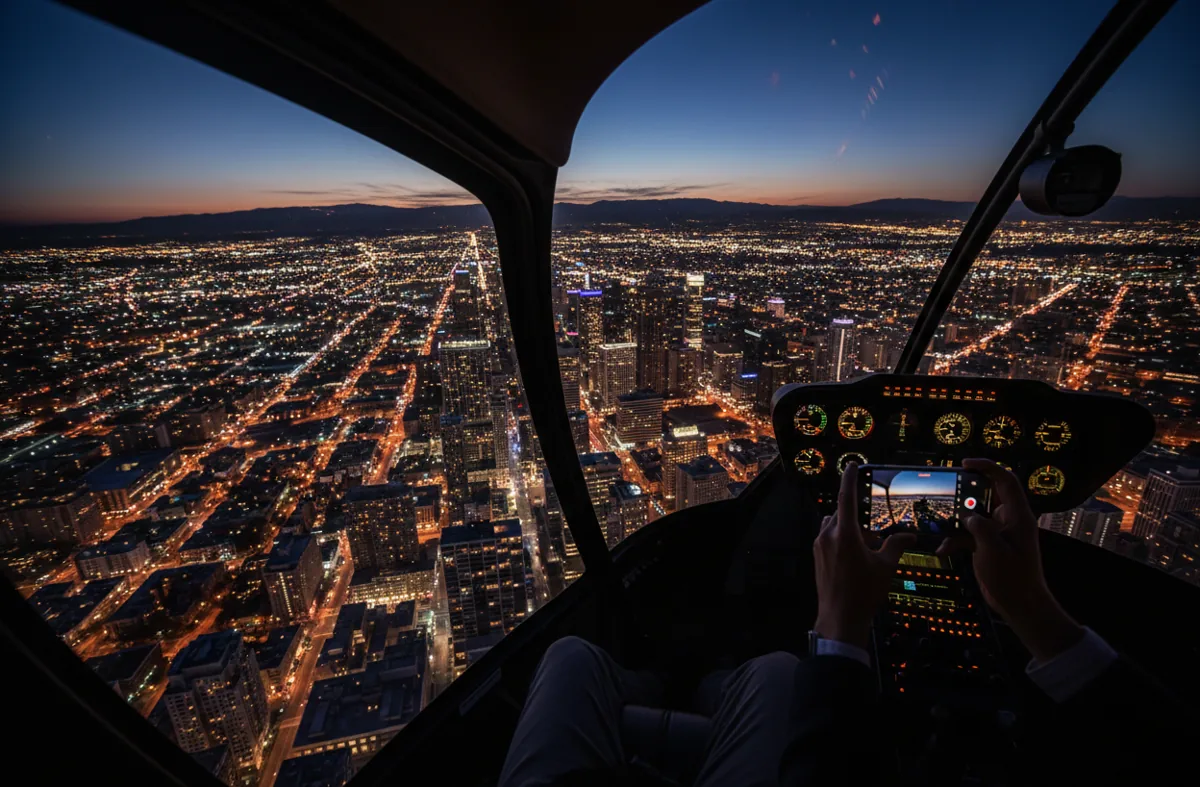
- Sit by a window. If you care most about photos, ask whether seats can be requested.
- Watch for glare. Hold your lens close to the window and wear dark clothing to cut reflections.
- Consider a doors-off flight. These tours remove the glare problem entirely. Expect strict rules about loose items.
- Keep your gear simple. A phone or a small camera with a wrist strap is easier to manage than a bag of lenses.
Tips for Your First Helicopter Ride
- Dress for the season. Long pants and a light jacket suit cooler weather.
- Tie back long hair and leave hats, scarves and anything loose in a secure place.
- Travel light. Helicopters have limited space for bags.
- Arrive at check-in on time. Late arrivals can lose their seat.
- Listen to the pilot and trust their decisions, especially about weather.
Special Occasions and Private Tours
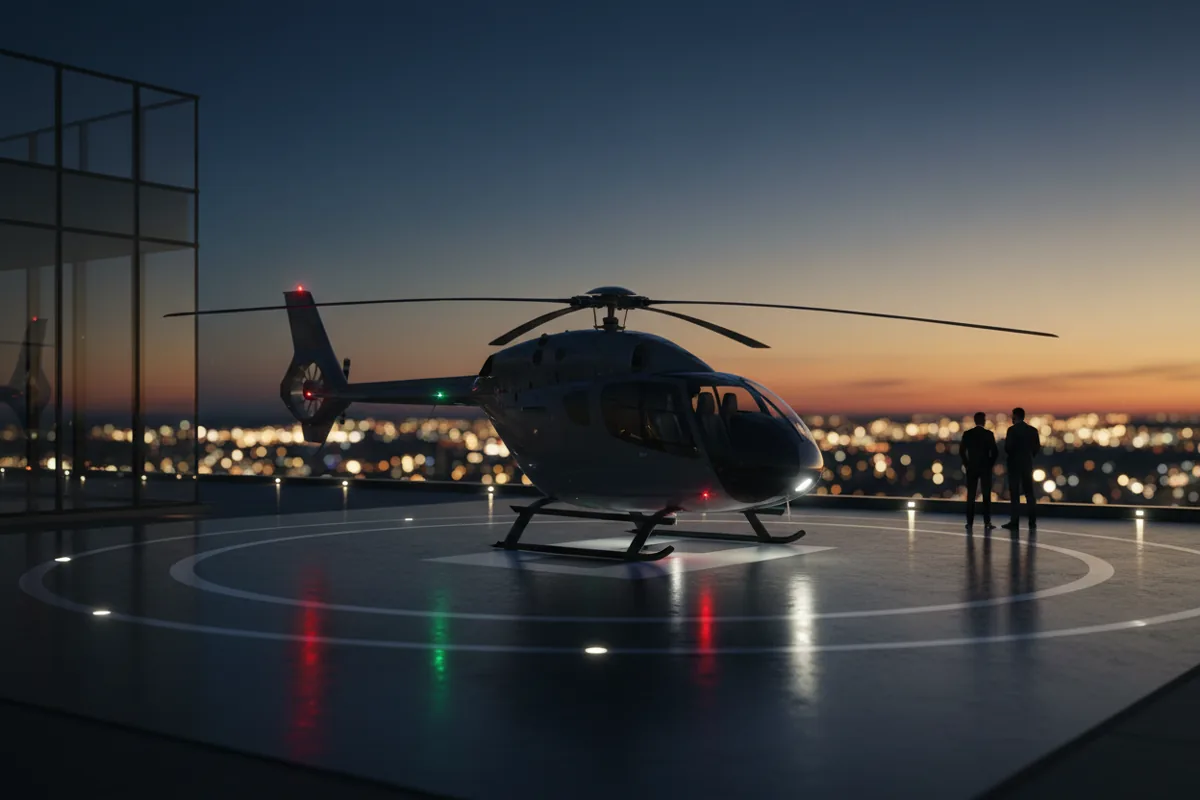
A helicopter flight makes a memorable gift for a birthday, anniversary or proposal. A private charter gives you the cabin to yourselves, and you can ask the operator about timing, route and any extras before you book.
Overcoming Fear of Flying
Being nervous before a first flight is normal. Find out what worries you most, whether it is height, motion or the unknown, and ask the operator about it in advance. Slow breathing before take-off helps many people. Most first-time passengers find the ride smoother and calmer than they expected.
Weather Conditions and Best Times to Fly
Wind, heat, storms and low cloud all affect helicopter flights. In hot desert regions, morning flights avoid the hottest part of the day and the risk of afternoon thunderstorms. In winter, a late-morning flight can mean milder temperatures. The time of day also changes the light, so plan around sunrise or sunset if photos matter to you.
What to Expect During a Helicopter Flight
- Check-in. The crew confirms your booking and asks for weights so passengers can be seated to balance the aircraft.
- Safety briefing. You learn how to board, buckle in and leave the aircraft safely.
- Boarding. The crew assigns seats and shows you how to use your headset.
- The flight. Headsets let you hear the pilot and talk to other passengers. On tours, the pilot often points out landmarks.
Frequently Asked Questions
How much does a helicopter tour typically cost?
It depends on the destination, the length of the flight and whether you book a shared seat or a private aircraft. Check what is included, such as transfers, landings and fees.
Are helicopter tours safe?
Flights for hire in the United States are operated by FAA-certificated carriers under federal rules for pilots, maintenance and operations. Ask the operator which certificate the flight runs under.
What are the best times to take a helicopter tour?
In hot regions, morning flights avoid heat and afternoon storms. In winter, late-morning flights are often milder.
Can I take photos during a helicopter tour?
Yes. Sit by a window, keep your lens close to the glass to reduce glare, or book a doors-off flight for clear shots.
What should I wear for a helicopter tour?
Dress for the weather, secure long hair and avoid loose accessories.
Disclaimer: