
The challenges in long distance organ transport primarily involve maintaining organ viability, dealing with geographic distances, and handling unpredictable weather. Effective coordination among hospitals and organizations is also crucial. This article covers each challenge and the solutions being developed to address it.
Key Takeaways
-
Timely and efficient transport of organs is crucial to maintain their viability for transplantation, addressing ongoing donor organ shortages.
-
Advanced technologies, including IoT and drone systems, are being explored to enhance logistical processes and improve organ transport success rates.
-
Specialized transport services and collaborative efforts among organ procurement organizations are essential in optimizing organ retrieval and delivery, minimizing transplant delays.
Navigating Challenges in Long Distance Organ Transport
Long-distance organ transport is a balancing act. The persistent shortage of donor organs complicates the allocation process and heightens the urgency of timely transport. Organs have limited viability outside the body, making swift and efficient transport necessary for successful transplantation. The urgency is evident as about 7% of organ shipments handled by UNOS encountered transportation problems between 2014 and 2019.
Time is of the essence in organ transplantation. Hearts and livers, in particular, need rapid transplantation to maintain viability. Transport delays can severely affect transplant success, emphasizing the need for coordinated efforts among hospitals, organ procurement organizations, and transplant teams. Geographical distances and unexpected weather conditions add complexity to the logistical challenges of long-distance organ transport, potentially disrupting planned routes.
Timely transport can make long-distance organs as viable as local donations despite these challenges. Exploring advanced technologies and innovative transport methods can optimize the organ transplant process and prevent delays. Specialized transport vehicles with temperature control and real-time monitoring systems are critical for enhancing the efficiency and success rate of long-distance organ transport.
Introduction
Organ transplantation gives patients with severe organ failure, including those who need a liver transplant, a path forward. It significantly impacts patient survival and quality of life, offering a second chance to those on the brink of death. The path from donation to a successful transplant has many obstacles, and ethical, cultural and societal factors shape donation rates worldwide.
In both developed and developing countries, the high incidence of organ failure and the limited availability of donor organs create a pressing need for efficient organ transport systems. The waiting list for organ transplants continues to grow, with patients facing life-threatening conditions while hoping for a suitable match. This situation highlights the need for timely and efficient transport of donated organs to ensure they reach recipients in optimal condition.
The complexities of organ transport are not merely logistical but also involve significant ethical considerations. The need to balance the risks and benefits, ensure equitable access to organs, and prevent exploitation of donors are critical aspects that must be addressed.
This post outlines those challenges, the solutions being developed and the role transport plays in transplant outcomes.
Understanding Organ Viability and Preservation
The viability and preservation of donor organs are paramount to the success of organ transplantation. Organs can only be preserved for limited periods before losing viability, making efficient allocation and transportation crucial. That short window is why transport timing matters so much.
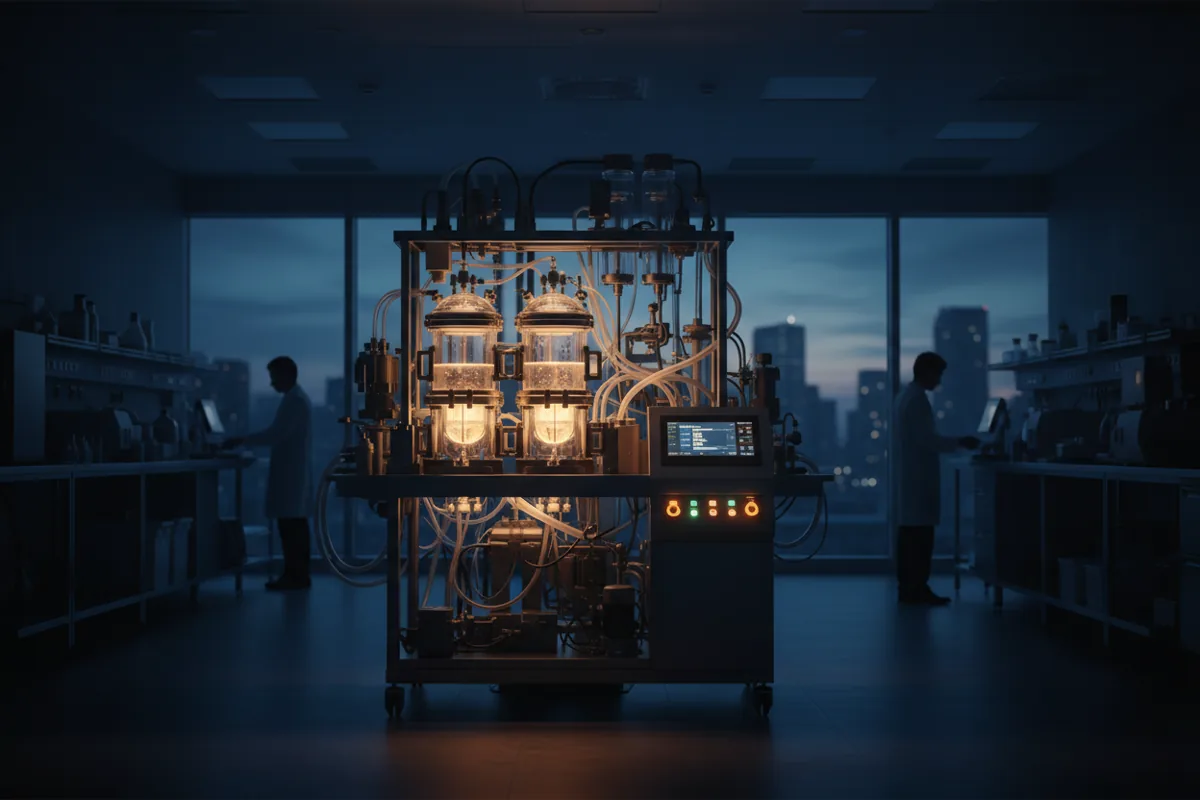
The gold standard for organ preservation is static cold storage (SCS), a method that involves cooling the organ to slow down metabolic processes and reduce oxidative stress. However, this method has its limitations, and more advanced techniques like Hypothermic Oxygenated Machine Perfusion (HOPE) are being explored to improve organ preservation. HOPE provides a continuous supply of oxygen and nutrients to the organ, reducing oxidative stress and fulfilling metabolic demands, thus enhancing organ viability during transport.
The persistent shortage of donor organs further complicates the issue of organ viability. With a new patient added to the waiting list for an organ transplant every seven minutes in America, the pressure to ensure the viability of every donated organ is immense. Innovations in preservation techniques and the development of specialized transport methods are critical steps towards improving the success rate of organ transplants and saving more lives.
Critical Factors in Organ Matching for Transplants
The process of organ matching is a critical factor in the success of organ transplantation. Ensuring that the donated organ is a suitable match for the recipient involves a complex interplay of medical, logistical, and technological considerations. Timely transport of organs is essential to ensure they remain viable and suitable for transplantation.
Effective communication and coordination between organ procurement organizations and transplant centers are crucial for successful long-distance organ transport. Delays in transport can significantly impact the viability of the organ, underscoring the importance of efficient coordination among hospitals and transplant teams.
Advanced Air Mobility (AAM) offers promising solutions by expanding the range of transport options, potentially facilitating better donor-recipient matching and improving transplant outcomes.
Successful organ matching relies on advanced technologies and innovative transport methods. The integration of these technologies into the organ transplant process can help overcome the logistical challenges associated with long-distance transport and ensure that organs are matched and delivered to recipients in a timely and efficient manner.
Addressing these factors can improve transplant success rates and quality of life for recipients.
Logistical Challenges in Long Distance Organ Transport
Long-distance organ transport raises several logistical problems. Geographical distances can lead to organ deterioration if transport is not managed promptly. Unexpected weather conditions create additional logistical hurdles, complicating the transport process and risking organ preservation.

Temperature-controlled specialized transport vehicles are essential to preserve organ integrity during organ transport. Innovative transport methods, such as Advanced Air Mobility (AAM), are being explored to optimize the organ transplant process amidst increasing logistical challenges. These advancements aim to streamline the transport process, reduce the risk of delays, and ensure that organs reach their recipients in optimal condition.
Improving Collaboration Among Organ Procurement Organizations
Efficient collaboration among Organ Procurement Organizations (OPOs) increases the number of successful transplants. By working together, OPOs can significantly decrease the number of missed donation opportunities, ensuring that more organ donors are available for transplantation and improving the overall success rate of organ transplants.
Future Directions in Organ Transport
Drone technology is one of the most promising developments in organ transport. The implementation of drones for organ transport could significantly reduce cold ischemia times, enhancing organ quality and potentially saving thousands of lives. Drones have demonstrated the ability to transport organs without causing damage, maintaining stable temperatures and low vibration levels during flight.

Unmanned aerial systems (UAS) streamline logistics and reduce dependence on commercial air travel, offering promising solutions. Developing faster drones capable of carrying organ payloads could drastically improve the efficiency of organ transportation across longer distances. However, regulatory changes may be necessary for the broader adoption of drone technology, particularly concerning airspace integration and travel distance limitations.
Innovations like the Human Organ Monitoring and Quality Assurance Apparatus (HOMAL) are essential for tracking organ conditions in real-time during drone flights. Tools like these could help more organs reach recipients in usable condition.
Bottom Line: Challenges in Long Distance Organ Transport
Long-distance organ transport requires coordinated effort across hospitals, procurement organizations, transplant teams and transport providers. From understanding organ viability and preservation to addressing logistical and ethical considerations, each step in the process is crucial to the success of organ transplantation. Technological advancements and innovative transport methods offer promising solutions to these challenges, paving the way for improved transplant outcomes and saving more lives.
Closer collaboration among organ procurement organizations and wider use of new technology will help more patients receive the transplants they need.
FAQs about Challenges in Long Distance Organ Transport
What are the main challenges in long-distance organ transport?
The main challenges in long-distance organ transport are the shortage of donor organs, ensuring timely delivery to maintain viability, managing logistical issues like geographical distances and weather, and requiring specialized transport vehicles. Addressing these challenges is crucial for successful organ transplantation outcomes.
How does technology improve organ transport?
Technology significantly improves organ transport by utilizing IoT systems, GPS trackers, and smart containers to ensure real-time monitoring and maintain optimal conditions. This leads to safer and more efficient delivery of vital organs.
What role do specialized transport services play in organ transport?
Specialized transport services are essential for the rapid and efficient delivery of organs, significantly reducing the risk of ischemic damage and preserving organ viability. Their use is critical in saving lives through timely transplants.
How can drones revolutionize organ transport in the future?
Drones have the potential to revolutionize organ transport by minimizing cold ischemia times and ensuring stable environmental conditions, leading to improved organ viability. Their use could also enhance logistical efficiency by bypassing traditional air travel routes, although regulatory adjustments will be essential for widespread implementation.
Why is collaboration among organ procurement organizations important?
Collaboration among organ procurement organizations is crucial for maximizing successful transplants and minimizing missed donation opportunities. This increased cooperation ultimately ensures a greater availability of organs for those in need.
BLADE's former medical transport division is now part of Strata Critical, which provides organ transport and transplant logistics for organ procurement organizations and transplant centers.
Disclaimer: