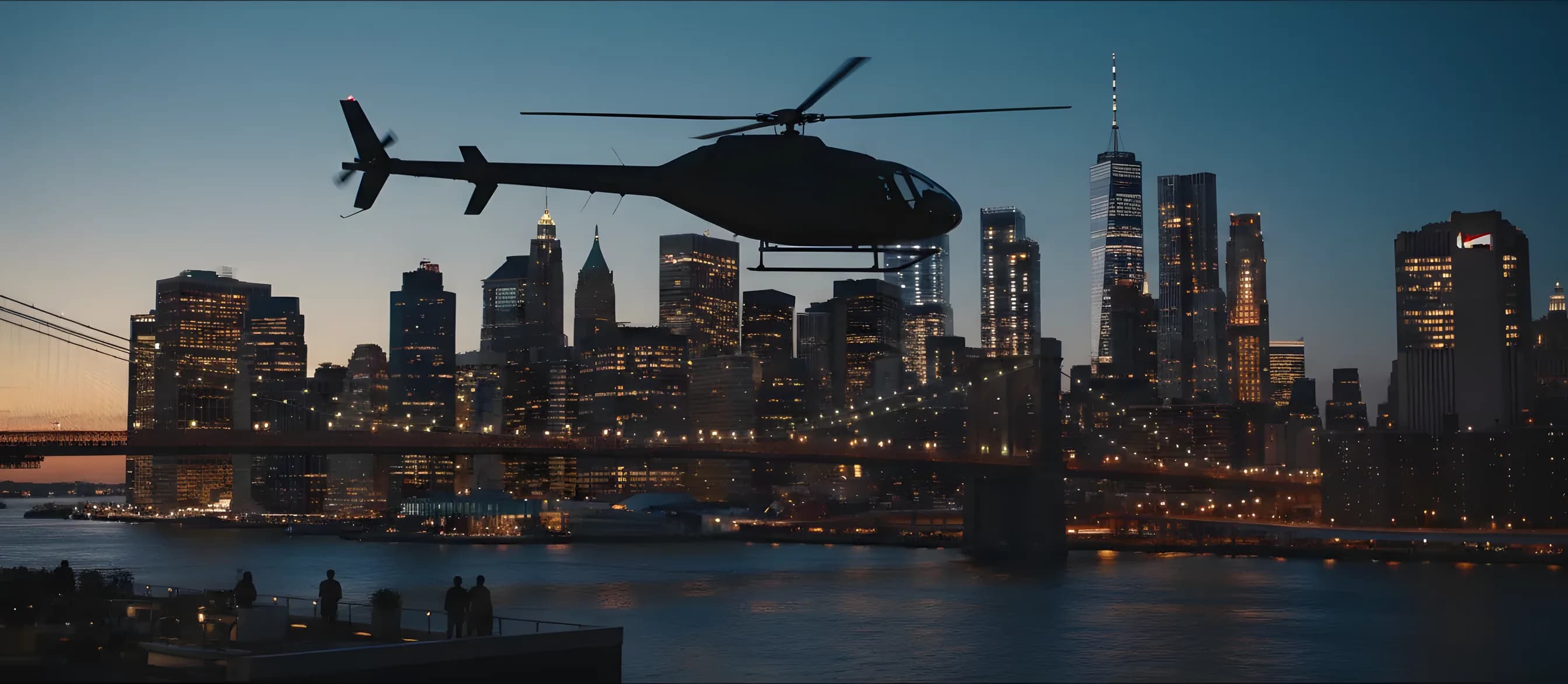
Do New Yorkers really use helicopters as a common mode of transportation? Generally, no. Helicopter travel in New York City is mostly limited to the affluent, business executives, and tourists. In this article, we’ll dive into who is using these services, the reasons behind their choice, and the implications for the city.
Key Takeaways
Helicopter services in New York City, particularly for commuting and tourism, are becoming increasingly essential, offering significant time savings compared to traditional transportation despite noise and environmental concerns.
Luxury helicopter rides provide a premium experience, attracting affluent individuals, but are also complemented by programs like ride-sharing that aim to make these services more accessible to a broader audience.
Community activism has played a pivotal role in addressing helicopter noise pollution and advocating for regulatory measures, leading to significant policy changes aimed at balancing urban air mobility with residents’ quality of life.
Helicopter Usage in New York City
Helicopters are more than just a luxury in New York City; they are a practical solution for many who prioritize time and convenience. A significant portion of helicopter flights in the city are classified as nonessential, primarily serving tourism and commuting needs. The Downtown Manhattan Heliport alone sees approximately 30,000 tourist helicopter flights annually, highlighting the popularity of this mode of transportation among visitors and the role of city owned heliports in facilitating these services.
The primary allure of flying helicopters in New York City lies in their ability to cut travel time significantly. For many, the convenience and speed of a helicopter ride far outweigh the costs. Commuter helicopter services frequently connect major airports like Kennedy International Airport, Newark Liberty International Airport, and other destinations such as the Hamptons. With BLADE, travelers can reach these airports in about seven minutes, compared with a drive that can take hours.
Interestingly, the cost of a helicopter ride can sometimes match that of an Uber or private car service, especially for solo travelers. This makes it a viable option for those who can afford the slight premium for the sake of convenience. The ability to bypass the infamous New York City traffic altogether is a compelling reason for many to choose this mode of transport.
The helicopter industry also includes charter flying, tourist flights, and airport transfers as significant components of its operations in the city. Companies like Liberty Helicopters offer various services, including sightseeing tours over Central Park and the Hudson River, which are particularly popular among tourists, especially those interested in helicopter tourism.
However, this increased helicopter traffic has not come without its challenges. Helicopter noise and environmental concerns have become significant issues, prompting Mayor Bill de Blasio to take action with the New York City Council.
Before addressing these concerns, it’s worth exploring the luxury and convenience that make helicopter rides an attractive option for many New Yorkers.
Luxury and Convenience of Helicopter Rides
For those who can afford it, luxury helicopter rides add comfort to the trip, with premium cabins and onboard refreshments on some services. Arriving by helicopter is not just about getting from point A to point B; it’s a status symbol that can enhance business networking opportunities and elevate one’s brand image.
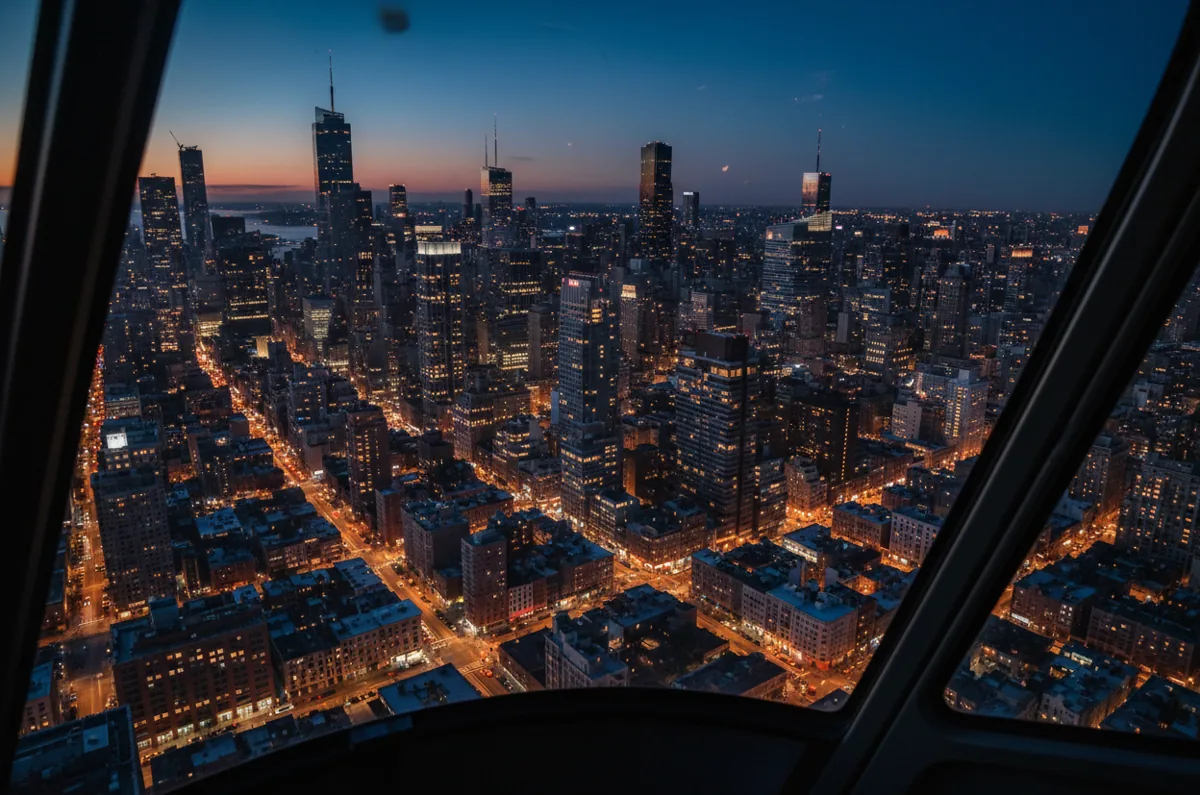
The target market for these luxury helicopter rides includes affluent commuters from areas like Nassau County and northern New Jersey. These services offer a swift alternative to traditional traffic routes, ensuring that high-flying executives and busy professionals can make the most of their time. For those who value their time and need to be in multiple places within a short span, the convenience of flying helicopters is unparalleled.
But it’s not just about the luxury. The convenience factor plays a significant role in the popularity of helicopter services. For instance, BLADE's commuter program runs Monday through Friday, with flights during peak commuting hours. This allows suburban residents to access Manhattan directly from their nearby airports, enhancing connectivity and making it easier to balance work and personal commitments.
Even for those who are not part of the affluent class, the experience of flying helicopters can be a thrilling adventure. Tourist flights offer breathtaking views of iconic landmarks like Central Park and the Hudson River, providing a unique perspective of the city that is hard to match. These pricey helicopter rides may not be an everyday occurrence for most, but they offer a memorable experience flying helicopters for special occasions.
As more private aviation companies enter the market, the competition has led to innovative services like helicopter ride-sharing and membership programs, making private helicopter travel more accessible to a broader audience. This democratization of helicopter services is poised to change the landscape of urban transportation, but it also brings with it a host of challenges and concerns that need to be addressed.
Popular Routes and Destinations
BLADE has offered helicopter flights from Manhattan to major airports like JFK and Newark for over a decade. These routes are among the most popular, as they offer a significant reduction in travel time compared to ground transportation. A ride from JFK to a midtown manhattan skyscraper takes approximately five minutes, making it an incredibly efficient way to navigate the city.
BLADE's commuter program runs Monday through Friday during peak commuting hours. This service has become a vital link for suburban residents who need to access Manhattan quickly and efficiently. By flying between JFK or Newark and BLADE's Manhattan lounge, commuters skip ground traffic.
Other services connect the city with affluent suburban areas as well. These services extend beyond just airport transfers, offering routes to popular destinations like the Hamptons and other suburban hot spots. This connectivity enhances the appeal of helicopter commutes, especially for those who need to travel frequently between these locations.
The specific flight corridors used by helicopter services are designed to minimize disruptions and ensure safety. By adhering to these corridors, operators can efficiently manage helicopter traffic and reduce the impact on residential areas. However, the increasing demand for helicopter services has led to more helicopter flights, raising concerns about noise pollution and environmental impact.
Understanding the costs associated with helicopter commutes reveals that while the convenience and luxury are undeniable, they come at a price. The following section will break down the costs involved and highlight the financial considerations for those contemplating this mode of transportation.
Blade: The everyday air commute for New Yorkers who value time
Helicopter commuting in New York isn't widespread, but BLADE is changing perceptions by offering a fast alternative to gridlocked streets. Whether it is a transfer from Manhattan to JFK or a weekend flight to the Hamptons, BLADE is used by business travelers and, increasingly, by professionals who simply want their time back.
Flights typically take about 10 minutes, with fixed pricing, comfortable lounges and booking through BLADE's app. The point is the hours you get back from traffic, and for busy New Yorkers BLADE has become part of getting around.
Cost of Helicopter Commutes
The allure of helicopter commutes in New York City is tempered by the costs involved, which can be substantial. A standard BLADE seat is from $195, and prices vary with demand and how far ahead you book.
For travelers with more than 25 pounds of luggage, an additional fee of $175 is charged, which can add to the overall cost of the journey, potentially reaching a few hundred dollars. Despite these costs, the time-saving benefits are a significant draw for many. Private helicopters allow executives to bypass traffic, significantly reducing travel time compared to traditional ground transportation.
Another appealing factor is the flexibility of helicopter rides. Unlike fixed airline timetables, helicopters can operate on schedules tailored to individual needs, offering unmatched convenience. This flexibility is particularly beneficial for those with tight schedules or multiple commitments throughout the day.
While the costs may seem high, they are often justified by the benefits of convenience, speed, and the ability to avoid the stress of ground traffic. For many, the investment in a helicopter ride is a small price to pay for the significant time savings and enhanced quality of life it offers. However, these advantages come with their own challenges, particularly in terms of environmental and noise concerns.
Environmental and Noise Concerns
The increase in nonessential helicopter flights in New York City has not come without its downsides. Many residents living near heliports have raised significant concerns about helicopter noise, which they say greatly affects their quality of life. Persistent noise pollution is not just an annoyance; it has been linked to adverse health effects, including sleep disturbances and increased stress levels.
New York City has implemented strict noise standards for non-essential helicopter flights to address these concerns. Legislation has been passed to restrict the use of loud helicopter models that are known for high carbon emissions, aiming to mitigate both noise and environmental impact. Local advocacy groups are pushing for more stringent helicopter traffic regulations, and these measures are part of that broader effort.
Noise abatement strategies have also been employed to minimize nighttime disturbances and reduce the overall noise footprint of helicopter operations. These several noise abatement strategies include designating specific flight paths that avoid residential areas and implementing curfews to limit flights during late hours. Even so, noise complaints continue, reflecting the tension between the convenience of helicopter travel and residents' need for quiet.
The environmental implications of increased helicopter traffic are another major concern. Helicopters contribute to air pollution, and their carbon emissions add to the city’s overall environmental burden. While modern helicopters are being designed to be surprisingly quiet and more environmentally friendly, the impact of existing fleets cannot be ignored.
Community members and local advocacy groups continue to vocalize the need to limit helicopter traffic due to its negative impact on health and the environment and how these issues affect helicopters today. Their activism has led to significant policy changes, which we will discuss in the next section on regulation and policy.
Regulation and Policy
The increase in helicopter traffic in New York City has necessitated stringent regulatory measures to balance the interests of residents and commercial operators. The New York City Council has led this effort, enacting legislation imposing stricter noise requirements on non-essential helicopter flights from city-operated heliports. This legislation aims to mitigate the disturbances caused by helicopter noise and improve the quality of life for residents.
Under the new regulations, non-essential helicopter operations that do not comply with stage 3 noise standards set by the FAA are prohibited from using certain city heliports. Essential helicopter flights, such as those for emergency services, are exempt from these noise restrictions, ensuring that critical services are not disrupted.
The legislation also includes a timeline for implementation, allowing operators time to transition to compliant aircraft. Some operators, for example, use noise abatement strategies such as avoiding flights during curfew hours and selecting flight paths that minimize disturbances to communities. These measures are part of a broader effort to encourage the shift towards quieter and more environmentally friendly helicopter technology.
Proposed legislative measures continue to evolve as the city seeks to address the growing concerns of its residents. The balance between public safety and the commercial interests of the helicopter industry remains a central theme in the ongoing regulatory discourse.
Alternatives to Traditional Helicopters
Innovations in electric vertical takeoff and landing vehicles (eVTOL) technology, including Joby Aviation’s eVTOL flying, are poised to revolutionize urban air mobility. These advanced aviation technologies aim to create a network of air vehicles that can help reduce ground traffic congestion and provide a quieter, more environmentally friendly alternative to traditional helicopters.
eVTOLs are designed for short trips within urban areas and can carry passengers efficiently between city centers. One of the significant advantages of eVTOLs is their ability to reduce noise pollution significantly compared to conventional helicopters. This feature makes them an attractive option for urban environments where noise abatement is a critical concern.
Additionally, electric or hybrid eVTOLs emit fewer greenhouse gases than traditional gas-powered vehicles, contributing to a reduction in air pollution. The eVTOL market is projected to grow to over $23 billion by 2030, indicating strong investment and interest in urban air mobility.
Successful integration of eVTOLs into urban airspace requires detailed flight path planning, stringent noise level assessments, and proactive community engagement. The regulatory groundwork laid by current helicopter management policies will be crucial for the successful adoption of eVTOLs.
As we look to the future, the role of private aviation companies will be instrumental in shaping the landscape of urban air mobility. Let’s explore how these companies are currently influencing the helicopter industry and what their involvement means for the future.
The Role of Private Aviation Companies
Private aviation companies have been pivotal in providing luxury helicopter services and pushing the boundaries of urban air mobility. Some offer helicopters with Wi-Fi and noise-canceling cabins so passengers can work in flight.
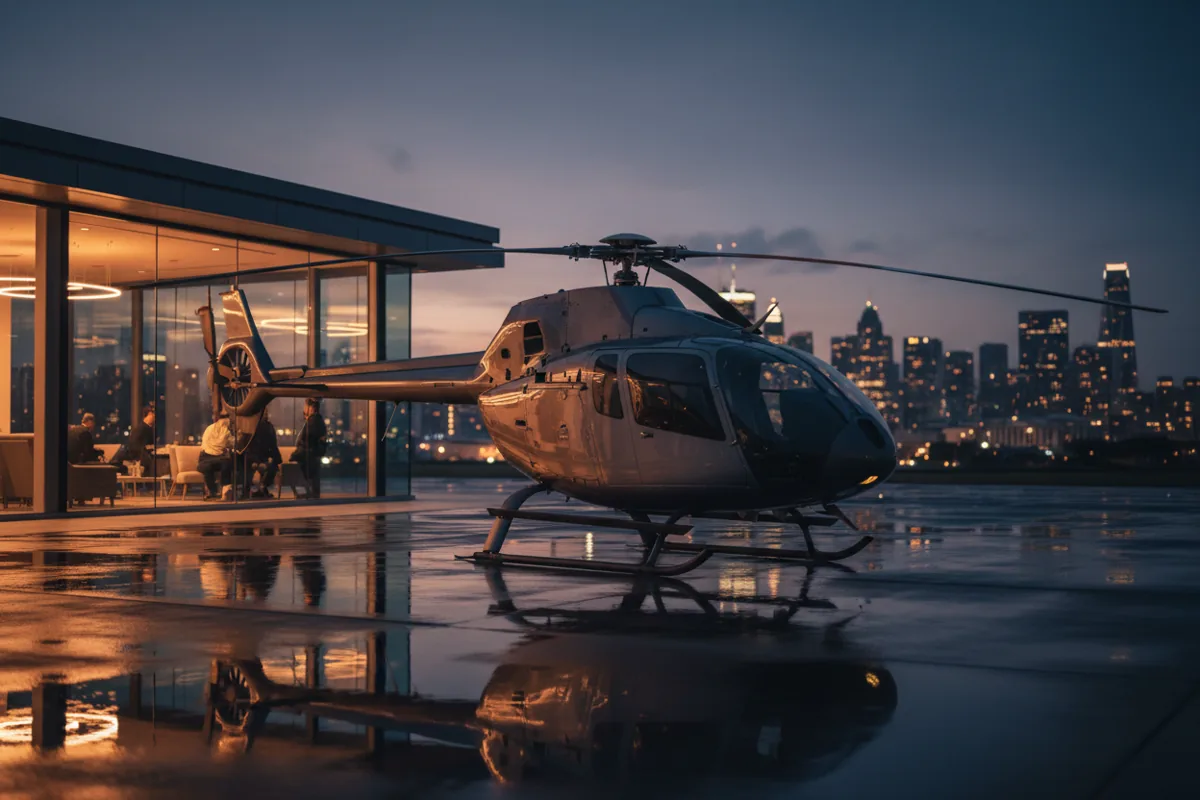
Innovative services such as helicopter ride-sharing and membership programs are making private helicopter travel more accessible to a broader audience. These services have democratized helicopter travel, making the convenience and luxury more accessible to a broader audience.
Safety is a top priority for private aviation companies. This commitment to safety is crucial in maintaining public trust and ensuring the sustainability of helicopter operations.
Suburban destinations connected by private charter flights companies include New Jersey, Westchester County, and the Hamptons. These connections enhance the appeal of helicopter commutes for those who need to travel frequently between urban and suburban areas, providing a convenient alternative to traditional transportation methods.
By continuing to innovate and expand their services, private aviation companies play a significant role in shaping the future of urban air mobility within the realm of commercial aviation and commercial operations. However, their operations also raise important questions about the impact on urban livability, which we will explore in the next section.
Impact on Urban Livability
The surge in helicopter flights in New York City, a highly populated city, has significantly impacted urban livability, particularly for residents living near heliports and flight paths. The constant noise from helicopter traffic has been a major disturbance, affecting the quality of life and enjoyment of public spaces.
Persistent helicopter noise can lead to a range of health issues, including sleep disturbances and increased stress levels among urban residents. The noise pollution is not just a nuisance; it has tangible effects on mental and physical health, contributing to heightened stress and adverse effects on children’s cognitive development.
Moreover, helicopter noise pollution can lower property values, discouraging potential buyers from investing in homes located in affected areas. The deterioration of property values in these areas further exacerbates the challenges faced by residents, making it difficult to maintain a high quality of life.
The impact on urban livability underscores the need for stringent regulations and innovative solutions to balance the benefits of helicopter commutes with the well-being of city communities. Community activism and advocacy have played a crucial role in driving these changes, which we will discuss in the next section.
Community Activism and Advocacy
Community organizations in New York City advocate for less helicopter traffic and quieter neighborhoods. These groups have been instrumental in influencing urban transportation policies, emphasizing the importance of community activism in shaping the city’s future.
Residents affected by constant helicopter noise have driven a decade-long movement advocating for change. Their main objective is a complete ban on non-essential helicopter flights, reflecting the widespread frustration and desire for a more peaceful living environment.
One of the significant outcomes of community activism was the 2016 agreement, which resulted in a 50% reduction in helicopter tour flights, bringing some reprieve from noise pollution. Agreements with companies like Saker Aviation Services have also been made to curtail non-essential helicopter flights, addressing major community concerns about noise.
Local coalitions have utilized strategies such as lobbying, public demonstrations, and media attention to restrict non-essential helicopter flights. These efforts have been supported by neighborhood meetings, social media campaigns, and the distribution of informational materials to raise awareness about helicopter noise.
The New York City Council has responded to these advocacy efforts by proposing a noise tax to address community concerns and improve the overall quality of life. The role of local authorities and lawmakers has been crucial in implementing these changes and ensuring that the interests of residents are prioritized.
Future of Urban Air Mobility
The future of urban air mobility promises transformation, with the UAM market projected to reach $9.1 billion by 2030. Clear operational guidelines must be established. Collaborating closely with eVTOL manufacturers will be essential for fostering public acceptance and ensuring the successful implementation of these innovations.
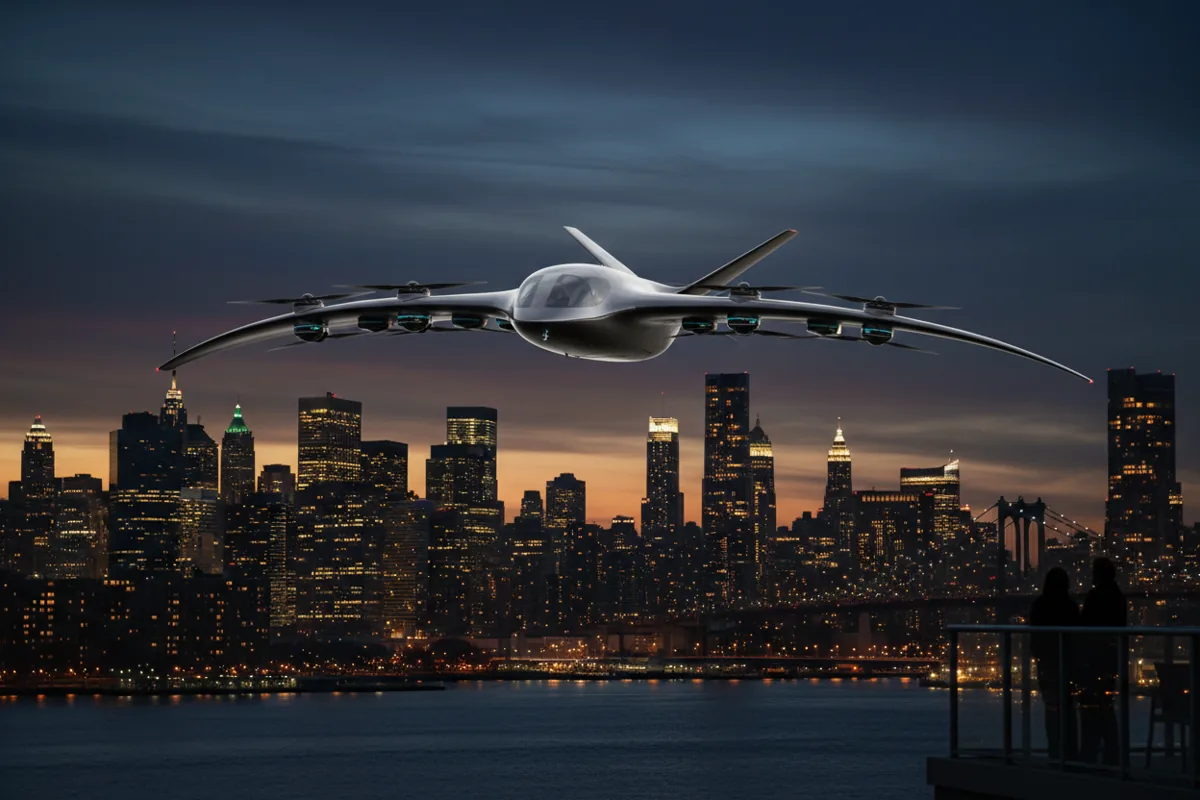
Community involvement is crucial for the successful integration of urban aviation projects. This is especially true in New York City. The precedent set by the 2016 agreement demonstrates the importance of balancing community well-being with commercial interests, providing a framework for future developments.
United Airlines and Archer Aviation planned to begin flying air taxis between Manhattan and Newark in 2025, but Archer’s Midnight aircraft is still awaiting FAA type certification. The integration of electric vertical takeoff and landing (eVTOL) aircraft is expected to further shape the landscape of urban transportation, offering a quieter and more environmentally friendly alternative to traditional helicopters. Joby Aviation is also among the companies developing air taxis.
Looking ahead, collaboration between regulatory bodies, private aviation companies, and community groups will be essential to ensure that urban air mobility enhances rather than detracts from urban life quality. This balance will be crucial in navigating the challenges and opportunities that lie ahead.
Summary
In summary, the use of helicopters as a mode of transportation in New York City offers undeniable benefits in terms of convenience and luxury. However, the prevalence of nonessential flights, noise pollution, and environmental concerns highlight the need for balanced regulatory measures and community activism. The New York City Council’s efforts to impose stricter noise requirements and the push for quieter, more environmentally friendly technology demonstrate a commitment to improving urban livability.
The emergence of eVTOL technology presents a promising alternative to traditional helicopters, offering the potential for reduced noise pollution and lower emissions. As private aviation companies continue to innovate, their role in shaping the future of urban air mobility will be instrumental. The collaboration between these companies, regulatory bodies, and community groups will be essential in ensuring that the benefits of urban air mobility are realized without compromising the well-being of city residents.
Ultimately, the future of urban air mobility in New York City will depend on finding a balance between technological advancements and the needs of the community. By prioritizing both innovation and quality of life, we can create a sustainable and harmonious urban environment that benefits everyone.
Frequently Asked Questions
How common are helicopter commutes in New York City?
Helicopter commutes are relatively common in New York City, particularly among affluent individuals and tourists, with nonessential flights comprising a significant share of the city's helicopter traffic.
What are the main benefits of using helicopters for transportation in NYC?
The primary benefits of using helicopters for transportation in NYC are substantial time savings, convenience, and the ability to bypass ground traffic. This mode of transport can reduce travel time to major airports to as little as five minutes and provides greater flexibility compared to traditional options.
What are the environmental and noise concerns associated with helicopter traffic?
Helicopter traffic raises significant concerns regarding noise pollution and environmental impact, adversely affecting residents’ quality of life. In response, legislation has been implemented to enforce stricter noise regulations and limit the use of noisy helicopter models.
Are there any alternatives to traditional helicopters being explored?
Indeed, electric vertical takeoff and landing (eVTOL) technology presents a promising alternative to traditional helicopters, with a focus on reducing noise pollution and emissions for urban travel. This innovative approach is paving the way for quieter and more environmentally sustainable aerial transportation.
How has community activism influenced helicopter regulations in NYC?
Community activism has significantly influenced helicopter regulations in NYC by advocating for reduced tour flights and stricter noise standards. These efforts demonstrate the power of organized local coalitions in effecting meaningful policy change.
Disclaimer: