
Key takeaway:
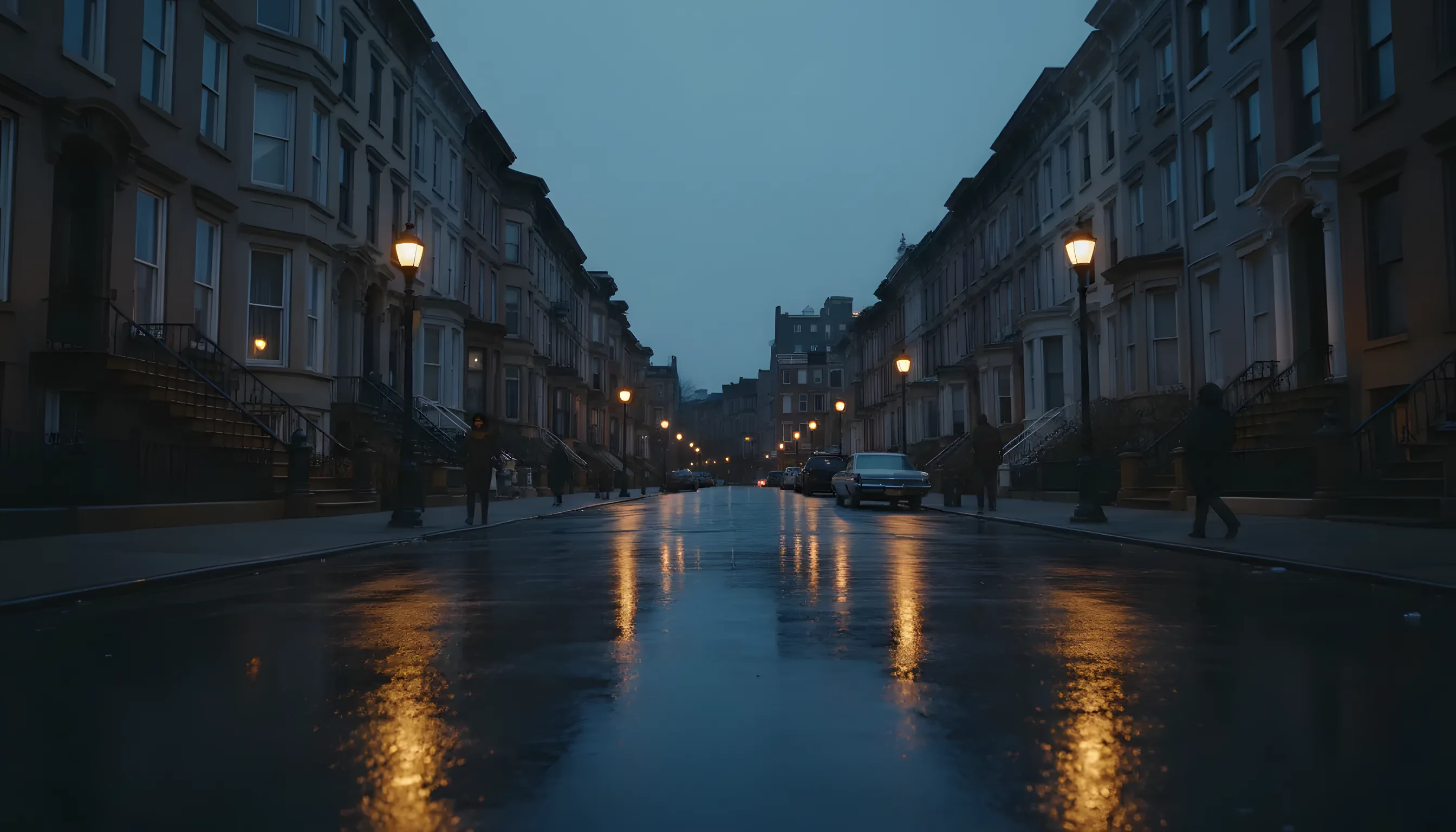
- Bedford-Stuyvesant, or Bed-Stuy, in north Brooklyn has the largest collection of intact Victorian architecture in the United States.
- Since the late 1930s it has been a major cultural center for Brooklyn's African-American community.
- Walk the Stuyvesant Heights Historic District, spend time in Herbert Von King Park and shop along Fulton Street.
Bed-Stuy is a neighborhood you see on foot. Block after block of brownstones, a historic park and a long main street give you a full day without much planning. Here is what to see and how to get there.
Cultural Environment and Historic Neighborhoods
Bedford-Stuyvesant is in the northern part of Brooklyn. It is bounded by Flushing Avenue and Williamsburg to the north, Classon Avenue and Clinton Hill to the west, Broadway to the east and Atlantic Avenue to the south. It contains four smaller neighborhoods: Bedford, Stuyvesant Heights, Ocean Hill and Weeksville.
Fulton Street, the main shopping street, runs the length of the neighborhood and crosses Bedford, Nostrand and Stuyvesant Avenues.
African American Population and Civil Rights Activism
Bed-Stuy has been a major cultural center for Brooklyn's African-American population since the late 1930s. After the Fulton Street subway line (the A and C trains) opened in 1936, many African Americans moved here from an overcrowded Harlem for more housing.
The neighborhood also shaped community development nationally. With the help of Senator Robert F. Kennedy and local activists, the Bedford Stuyvesant Restoration Corporation was set up as the first community development corporation in the United States. In 1967 it turned the abandoned Sheffield Milk bottling plant on Fulton Street into its offices.
Weeksville, one of Bed-Stuy's subsections, was founded in 1838 and was one of the first free African-American communities in the United States. It was named after James Weeks, who bought land there in 1838.
Historic Architecture and Victorian Architecture
Bed-Stuy has roughly 8,800 buildings built before 1900, the largest collection of intact and largely untouched Victorian architecture in the United States. Look for brownstone rowhouses with brackets, quoins, finials and decorative cornices.
The Stuyvesant Heights Historic District is the best place to start. Listed on the National Register of Historic Places in 1975 and enlarged in 1996, it covers 577 residential buildings built between about 1870 and 1900, in Italianate, Second Empire and Queen Anne styles. Decatur Street is one of its blocks. The city's Landmarks Preservation Commission expanded the local Stuyvesant Heights district in 2013.
Top 10 Fun Things to Do in Bed Stuy
- Walk the Stuyvesant Heights Historic District. Brownstones on blocks such as Decatur Street, roughly between Tompkins Avenue and Malcolm X Boulevard.
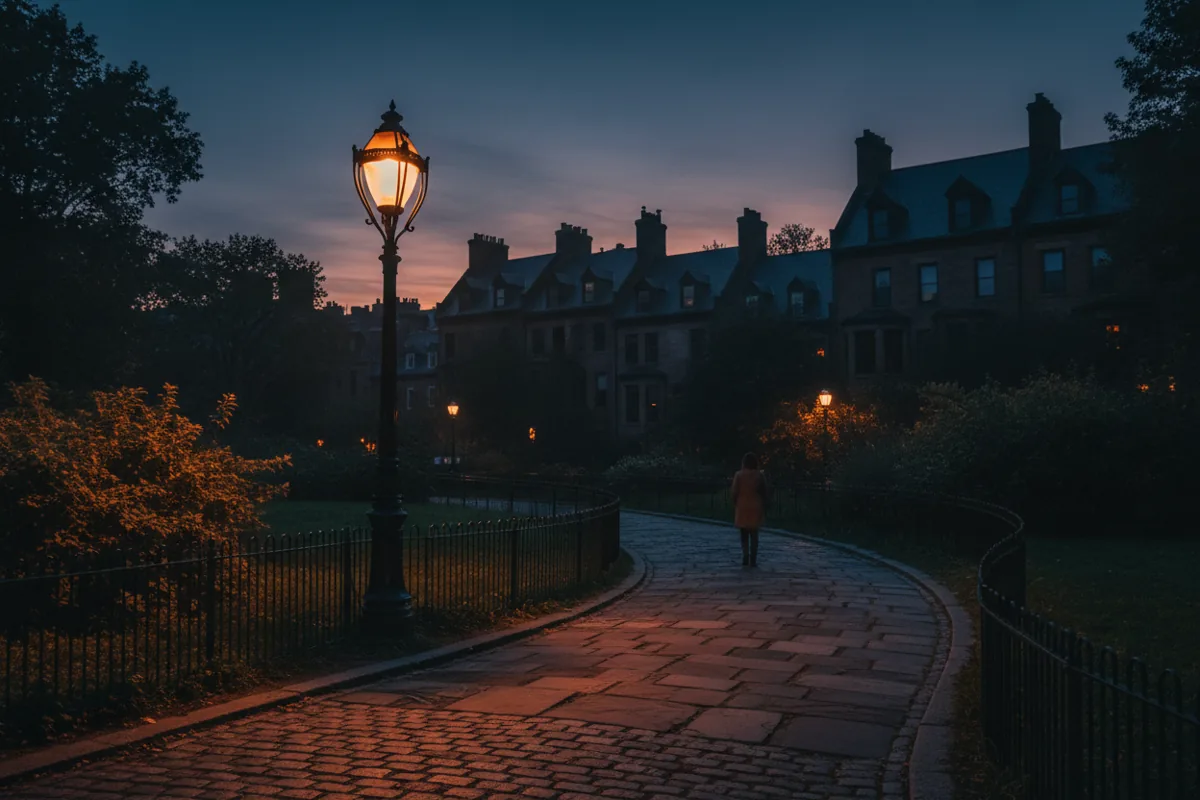
- Spend an afternoon in Herbert Von King Park. Bounded by Lafayette, Tompkins, Greene and Marcy Avenues, it has a ballfield, a playground and the Almira Kennedy Coursey Amphitheatre.
- See a program at the Herbert Von King Cultural Arts Center. It opened in the park in 1973.
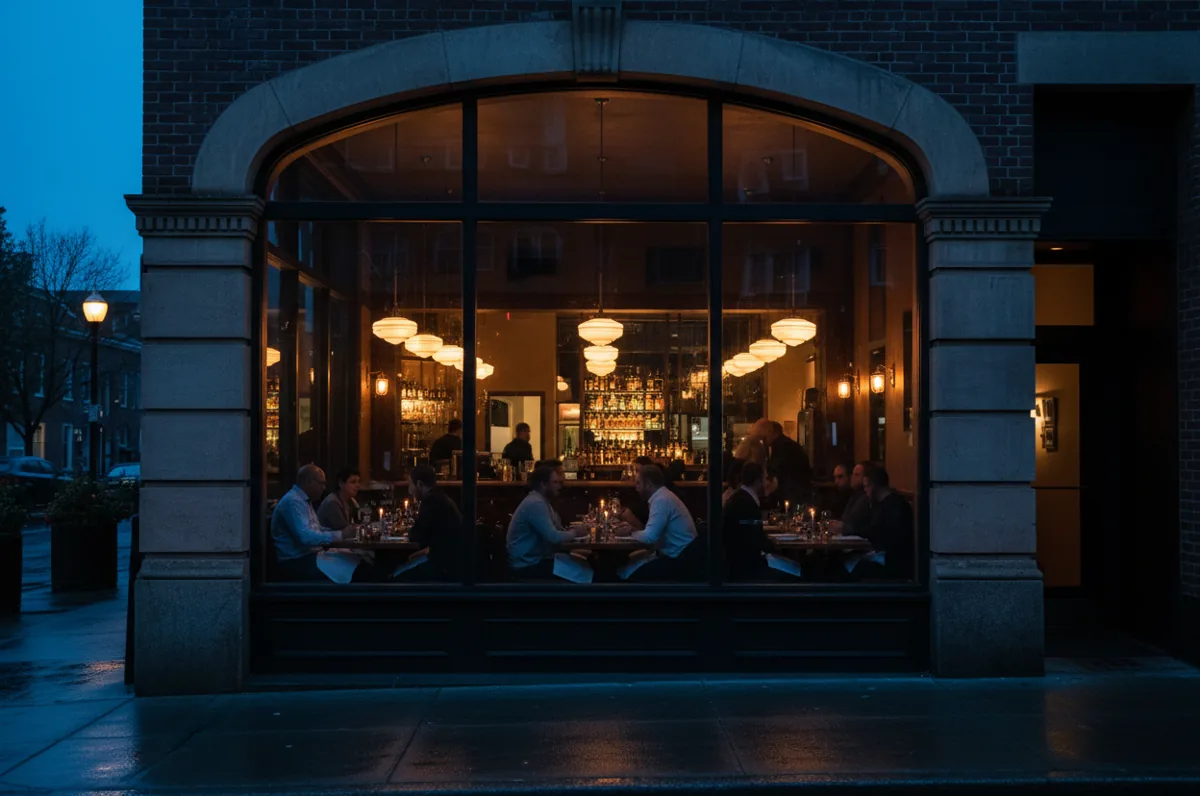
- Shop and eat along Fulton Street. The neighborhood's main commercial street.
- See where the Restoration Corporation began. The Bedford Stuyvesant Restoration Corporation's offices on Fulton Street occupy the former Sheffield Milk bottling plant.
- Explore the Bedford section. The original village of Bedford centered near today's Bedford Avenue and Fulton Street.
- Visit the Weeksville Heritage Center. On Buffalo Avenue between St. Marks Avenue and Bergen Street, it preserves the Hunterfly Road houses of Weeksville, one of America's first free Black communities.
- Walk to Fort Greene Park. A 30-acre park in nearby Fort Greene, redesigned by Frederick Law Olmsted and Calvert Vaux, with the Prison Ship Martyrs' Monument.
- See a show at BAM. The Brooklyn Academy of Music, in Fort Greene since 1908, presents theater, dance, music, opera and film.
- Head north to Williamsburg. For markets, music and the waterfront, see our Williamsburg guide.
Explore Parks and Quiet Neighborhood
Herbert Von King Park was originally named Tompkins Park, after New York governor Daniel D. Tompkins. In 1871 Calvert Vaux and Frederick Law Olmsted, the designers of Central Park and Prospect Park, were asked to plan it. It was renamed in 1985 for Herbert Von King, a longtime community organizer nicknamed the "mayor of Bedford-Stuyvesant."
Visit Historic Neighborhoods and Black Owned Businesses
Fulton Street and the avenues that cross it are where you will find local shops, cafes and restaurants, including Black-owned businesses. Businesses change often, so check recent listings before you go.
Getting around Bed-Stuy
- Subway. The A and C trains run along Fulton Street. At Nostrand Avenue, the A stops at all times and the C at all times except late nights. The G train does not stop at Nostrand Avenue.
- On foot. The historic districts are best seen walking, block by block.
Bed-Stuy to the airport with BLADE
For JFK or Newark, take the A or C train into Manhattan and fly with BLADE. BLADE offers seats on scheduled helicopter flights between Manhattan and JFK or Newark, about 5 minutes from $195 per seat. BLADE Downtown at the Wall St. Heliport is one of BLADE's three Manhattan lounges, along with BLADE Lounge West at the West 30th Street Heliport and BLADE Lounge East at the East 34th Street Heliport.
FAQs about Fun Things To Do Near Nyc'S Bedford-Stuyvesant
What are some fun things to do near NYC's Bedford-Stuyvesant?
Walk the Stuyvesant Heights Historic District, visit Herbert Von King Park, shop along Fulton Street, and visit the Weeksville Heritage Center, Fort Greene Park and BAM nearby.
Are there any recommended attractions to visit in Bed-Stuy?
The Stuyvesant Heights Historic District, Herbert Von King Park and its Cultural Arts Center, and the history of the Bedford Stuyvesant Restoration Corporation on Fulton Street.
What is the best way to get around Bed-Stuy and explore the neighborhood?
On foot, with the A and C trains along Fulton Street for longer hops.
Are there any family-friendly activities in Bed-Stuy?
Herbert Von King Park has a playground and a ballfield, and the Weeksville Heritage Center tells the story of one of the country's first free Black communities.