
Key Takeaway:
- Harlem offers a rich historical experience: Explore the historic sites in Harlem to immerse yourself in its vibrant history and significance in African-American culture.
- Experience the vibrant music scene in Harlem: Visit jazz clubs and enjoy gospel performances to get a taste of the incredible music and entertainment culture that Harlem has to offer.
- Indulge in culinary delights: Try soul food restaurants in Harlem for a unique and delicious dining experience, showcasing the flavors of African-American cuisine.
Harlem, NYC has something for many interests. From its deep cultural history to its live music performances, you'll find something special here. Explore the historic landmarks, visit the Apollo Theater, and take a stroll through the streets lined with beautiful brownstones. Enjoy the vibrant art scene and live jazz clubs, and don't forget to indulge in the delicious soul food. Plan your visit around the music, the history and the food.
Historic Sites in Harlem
Harlem's historic sites are a testament to its rich cultural and historical past. Visitors can explore African-American heritage, jazz history, and the civil rights movement. Iconic landmarks, like the Apollo Theater and Abyssinian Baptist Church, showcase the resilience and achievements of the community.
The Studio Museum in Harlem is dedicated to exhibiting and preserving artwork by African-American artists. The Schomburg Center for Research in Black Culture celebrates the history and contributions of African-Americans. These sites offer education, celebration, and remembrance.
Hidden gems, such as the Morris-Jumel Mansion, Manhattan's oldest surviving house, hold historic importance. Built in 1765, it served as a headquarters for General George Washington during the American Revolution. Its preserved architecture and artifacts transport visitors back in time.
The Apollo Theater is a cornerstone of Harlem's cultural scene. It has hosted famous performers like Billie Holiday, Ella Fitzgerald, and James Brown, making it a hallowed ground for the history of jazz and African-American music.
Music and Entertainment in Harlem
Harlem's music scene runs from jazz clubs that have hosted legendary performers to gospel services and concerts.
Jazz Clubs in Harlem
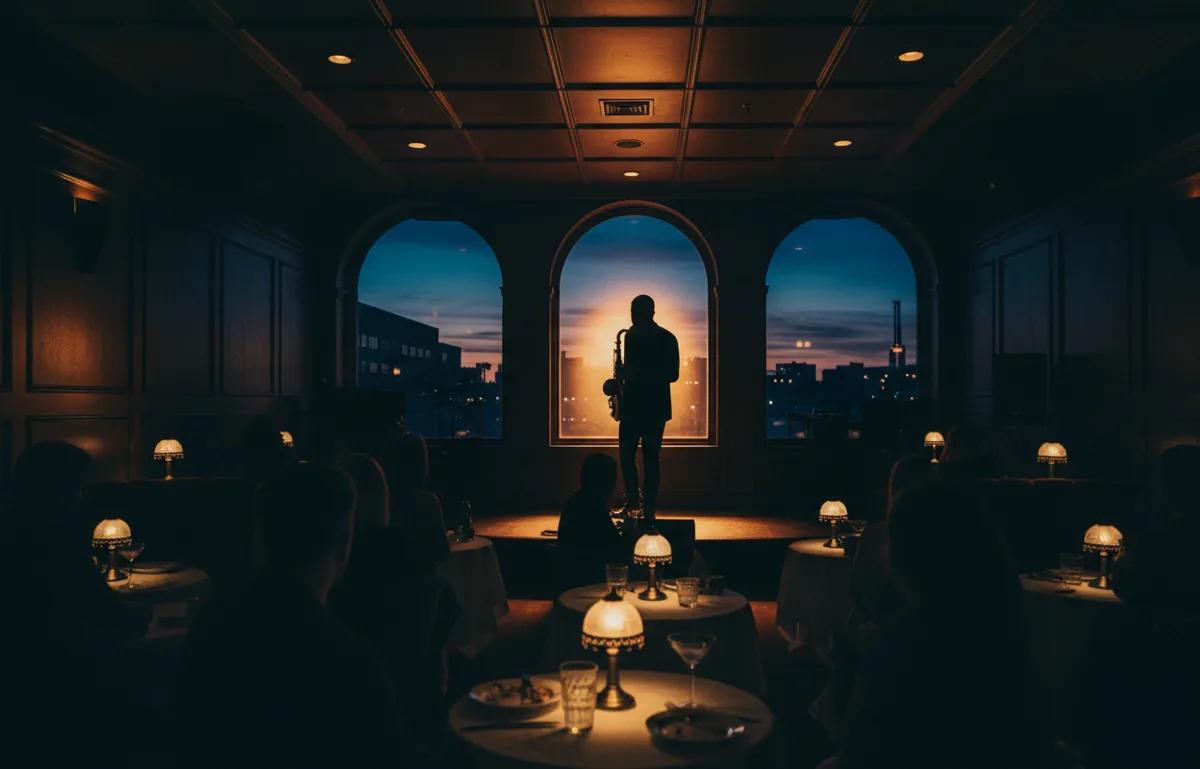
Harlem's jazz clubs are iconic. They've shaped the culture of the area and preserved the essence of jazz music. Tourists and locals alike come to experience the soulful melodies.
The Apollo Theater is one of the most famous. It's hosted some of the biggest names in jazz, like Duke Ellington and Ella Fitzgerald.
There are many other jazz clubs in Harlem, from intimate basements to larger halls. No matter your preference, there's something for every jazz fan.
These clubs don't just showcase established musicians. They're an opportunity for young talent from the local community to get their first break.
Spend an evening in Harlem's jazz clubs, from the legendary rooms to smaller spots.
Gospel Performances in Harlem
Gospel music is part of everyday life in Harlem, and visitors are welcome to hear it. Harlem is renowned for its vibrant gospel performances that display the rich history and spiritual customs of African-American communities. You can hear it in landmark churches and in smaller venues.
Influential churches like the Abyssinian Baptist Church and the Greater Refuge Temple have been pillars of the community for years. They nurture and present extraordinary gospel talent. Visitors can expect to feel the emotion of the performances and observe firsthand the profound link between gospel music and spirituality.
Apart from these renowned churches, Harlem also has plenty of smaller venues that offer a more private gospel experience. One such place is the Gospel Uptown at The Riverside Church. Here, visitors can enjoy dynamic gospel performances in a more intimate atmosphere. This melds the traditional with modern expressions of gospel music, making a lasting musical experience.
Harlem's gospel presentations provide an exceptional opportunity to connect with African-American culture spiritually. The music transcends boundaries, uniting people through its universal themes of faith, hope, and resilience. Whether attending a service or enjoying a performance in a local venue, experiencing gospel music in Harlem is an unforgettable cultural experience.
Culinary Delights in Harlem
Harlem's food scene is best known for its soul food restaurants.
Soul Food Restaurants in Harlem
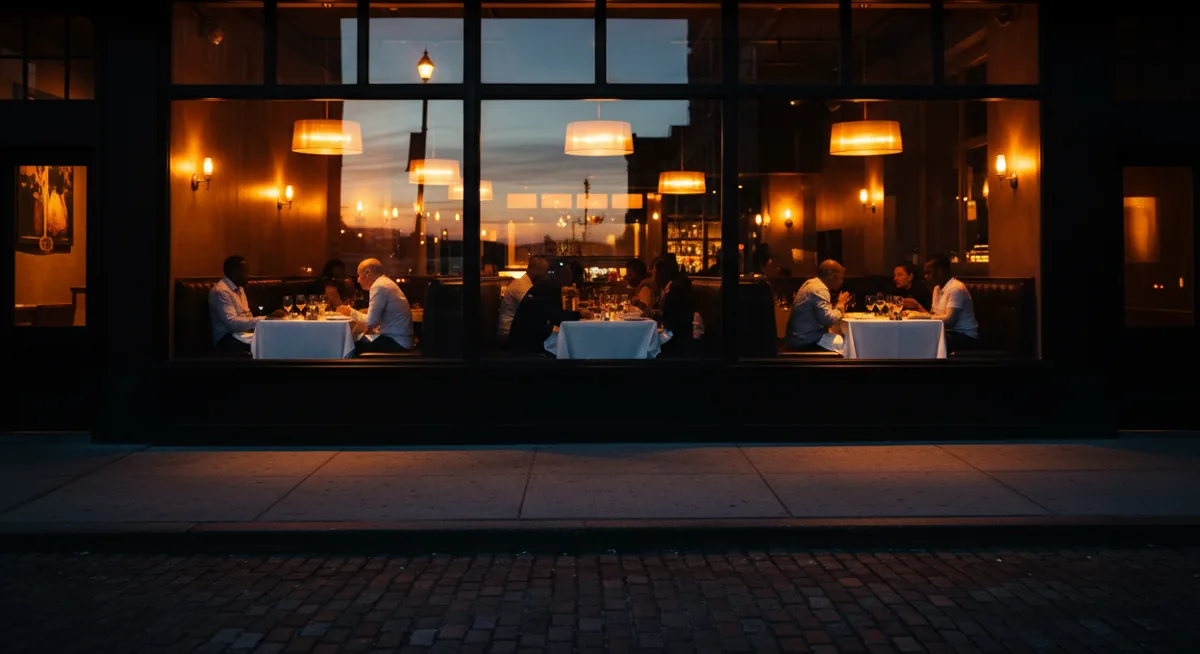
Soul Food Restaurants in Harlem serve spices and recipes passed down through generations. Plus, take a deeper dive into the vibrant culture of Harlem with its warm hospitality and lively atmosphere.
The menu options are sure to satisfy everyone's tastes - from classic dishes like fried chicken to vegetarian and vegan alternatives. A meal at one of these Soul Food Restaurants in Harlem is also a taste of African-American heritage.
Cultural Experiences in Harlem
In Harlem, African-American history and art meet in museums, libraries and on the street.
African-American History and Culture
Harlem has deep roots in African-American culture. It began as a destination for Southern migrants during the Great Migration. It's also the epicenter of the Civil Rights Movement in NYC. Music, literature, dance, and visual arts are all deeply influenced by African-American traditions. Langston Hughes, Louis Armstrong, and Jacob Lawrence all contributed to this cultural identity.
Harlem proudly preserves its African-American heritage. It has numerous museums, galleries, and cultural institutions celebrating achievements and struggles.
Its history and art are the main reasons to visit.
Art and Museums in Harlem
Harlem's art scene is bursting with life. Museums here showcase African-American history and culture, giving visitors a unique chance to explore various forms of artistic expression.
The Studio Museum is one of the prominent places to visit. It focuses on artwork from African-descended artists. It showcases stories and experiences of African-American creators.
The Harlem School of the Arts is another great institution. It provides classes and workshops in painting, sculpture, dance, and music. It helps nurture artistic talent among the community's youth.
El Museo del Barrio offers a peek into Latin American and Caribbean art. It honors the contributions of these communities to Harlem's cultural fabric.
The Apollo Theater is mostly known for its music performances. But it also hosts art events.
The Schomburg Center for Research in Black Culture is a research library that preserves and promotes African-American history and literature. Its collection includes books, manuscripts, photographs, and artwork.
Harlem's art institutions hold a wealth of creativity that conveys the community's diverse heritage. Exploring these places lets people admire art and gain insight into African-American history, culture, and experiences.
The area has more to offer than just museums. Street murals dot the neighborhood. They're vivid expressions of local artists' skills that liven up daily life. Moreover, galleries show off emerging artists' work and famous names in the art world.
Whether it's exploring a museum or stumbling upon street art, visitors can experience firsthand how this vibrant community keeps inspiring creativity.
Take the subway uptown to see African-American history and culture in Harlem.
How to Visit Harlem
Here is how to get around Harlem, when to go, and how to stay safe.
Transportation Options
Transportation options in Harlem are plentiful and convenient for visitors. They can easily access nearby attractions such as Central Park or Times Square. There are several ways to get around and explore the area, making it easy to navigate and enjoy all that Harlem has to offer.
-
Public Transportation: Subways provide easy access to various parts of the neighborhood.
-
Taxis and Ride-Sharing Services: Taxis and ride-sharing services, like Uber and Lyft, are readily available.
-
Biking: Bike lanes throughout the neighborhood make it safe and enjoyable for cyclists. Bike rental services are also available.
-
Walking: The compact size and pedestrian-friendly streets make walking a great option.
Guided tours and organized activities may also include transportation. As a fun fact, Harlem was once a major hub for streetcars in the early 20th century.
Best Time to Visit Harlem
Harlem is a great place to visit, especially in the summer when the weather is warm and pleasant. For a unique experience, consider visiting during spring, when flowers bloom and add beauty to the streetscape.
Discover why Harlem was once known as the epicenter of African-American culture during the 1920s. This era was known as the "Harlem Renaissance".
Experience the culture and history of Harlem! Visit the Apollo Theater and Strivers' Row to learn about the neighborhood's past. Catch a live jazz performance at one of the many jazz clubs or attend a gospel performance at a local church for an unforgettable musical experience.
Indulge in delicious soul food cuisine at renowned restaurants. Sample fried chicken, collard greens, and macaroni and cheese.
Explore art galleries and museums to discover the vibrant art scene in Harlem. See works by both established and emerging artists from diverse backgrounds.
Be sure to plan your visit accordingly. Consider any closures or renovations at specific attractions, or major events or festivals. Make the most out of your trip to Harlem!
Safety Tips for Visitors
As in any NYC neighborhood, take normal precautions in Harlem. Here are some useful tips:
-
Be aware of your surroundings.
-
Avoid walking alone late at night.
-
Secure your belongings.
-
Be mindful on public transport.
-
Follow local authority instructions.
-
Seek help if needed.
Moreover, Harlem has a friendly atmosphere and helpful locals. To ensure a safe stay, stay vigilant and take precautions. Additionally, research the area before visiting and get to know the neighbourhoods within Harlem. This will help you navigate the area confidently!
Conclusion
Harlem is worth a dedicated trip uptown. Its cultural heritage is rich and can be explored through iconic landmarks like the Apollo Theater and the Studio Museum. Enjoy vibrant nightlife and delicious dining options with a variety of cuisines. Central Park is close by, with green spaces and activities. Visiting Harlem provides an immersive experience of NYC's energy and diversity.
The Apollo Theater is a must-visit. It's well-known for its amateur night and renowned performers. The Studio Museum in Harlem showcases African-American artists and thought-provoking exhibitions. Dining options reflect the community's cultural diversity, from soul food to Caribbean cuisine. Harlem's nightlife has many bars and clubs with live music and entertainment.
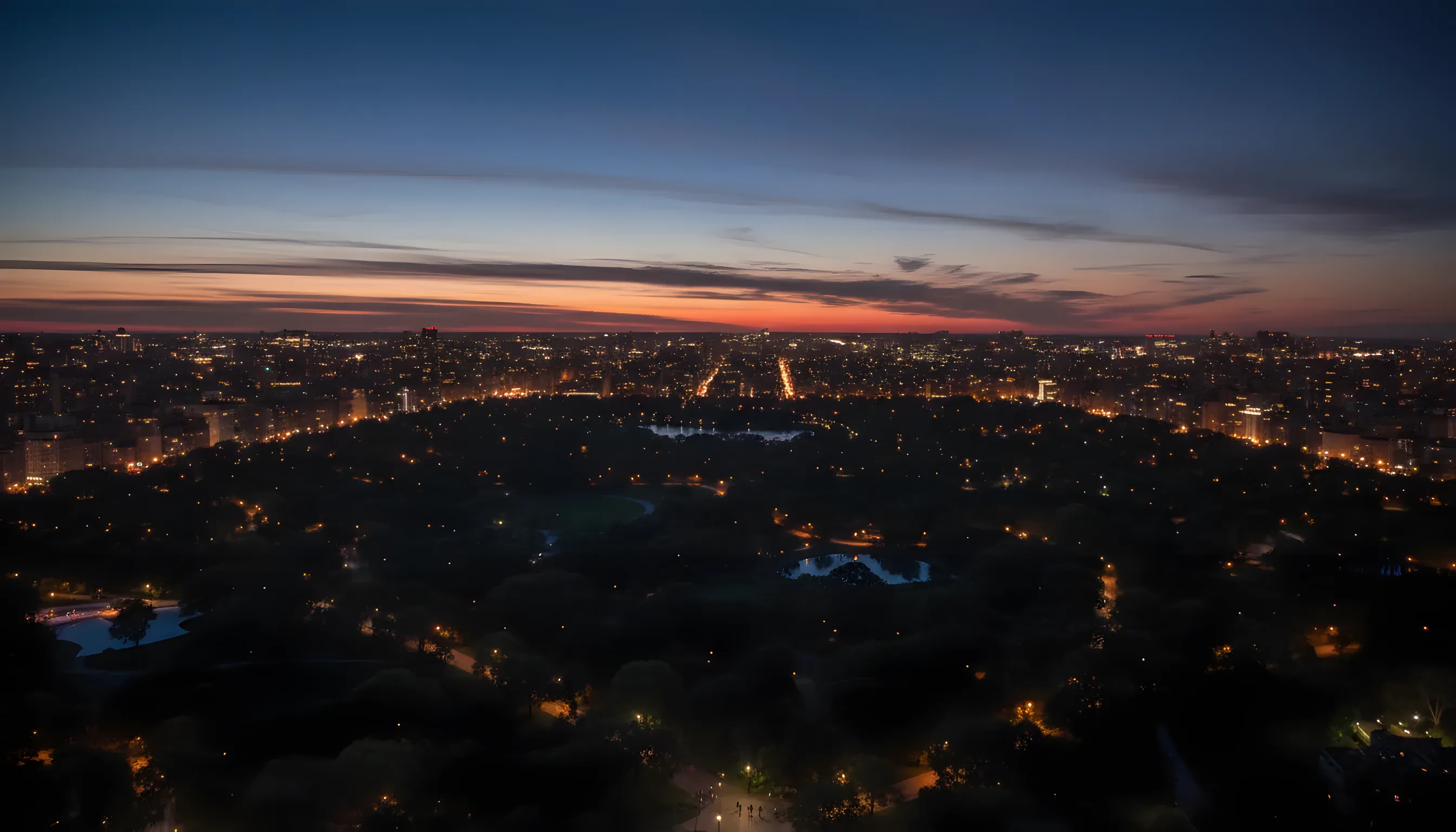
For more enjoyment, explore Central Park! It offers a peaceful retreat, with walking paths, scenic views, and activities such as biking and boating. Exploring this iconic green space enhances the experience of visiting Harlem.
Some Facts About Fun Things to Do Near NYC's Harlem:
-
✅ Harlem is known as the Black Mecca of the World and offers a unique vibe. (Source: travelswithtalek.com)
-
✅ Harlem is accessible by subway or bus, with multiple lines serving the neighborhood. (Source: freetoursbyfoot.com)
-
✅ Sundays in Harlem are particularly lively, as locals enjoy brunch and attend gospel services. (Source: freetoursbyfoot.com)
-
✅ Harlem is home to iconic attractions such as the Apollo Theater and the Cathedral of Saint John the Devine. (Source: theculturetrip.com)
-
✅ Visitors can experience the vibrant nightlife in Harlem, with restaurants and clubs offering live performances. (Source: theculturetrip.com)
FAQs about Fun Things To Do Near Nyc'S Harlem
1. What are some must-see attractions near NYC's Harlem?
Some must-see attractions near NYC's Harlem include the Abyssinian Baptist Church, Strivers Row, the Studio Museum, the Cathedral of Saint John the Devine, the National Jazz Museum, and the former Hotel Theresa (now an office building).
2. Are there any walking tours available to explore Harlem?
Yes, there are walking tours available to explore Harlem. These tours offer a great way to learn about the neighborhood's history, visit iconic sites, and immerse yourself in its vibrant culture.
3. Where can I experience live music in Harlem?
Harlem is known for its lively music scene. You can experience live music at venues like the Apollo Theater, Minton's, Gin Fizz Harlem, and Smoke Jazz Club.
4. What is the significance of the Abyssinian Baptist Church in Harlem?
The Abyssinian Baptist Church is a historic landmark in Harlem and an important center for African-American culture. It is known for its gospel services, powerful choir performances, and lively congregation.
5. Can I visit the National Jazz Museum in Harlem?
Yes, you can visit the National Jazz Museum in Harlem. It offers exhibitions, concerts, and educational programs that celebrate the rich history and influence of jazz music.
6. Is Harlem a safe neighborhood to visit?
Harlem is generally safe to visit, but it is advised to use common precautions, especially at night. It is best to avoid poorly lit streets, be aware of your surroundings, and avoid parks at night.