
Key takeaway:
- Inwood Hill Park holds the largest remaining old-growth forest on the island of Manhattan.
- The Dyckman Farmhouse Museum is the oldest remaining farmhouse in Manhattan, and general admission is $3.
- The Met Cloisters and Fort Tryon Park are just south, and Isham Park and Marble Hill are close by.
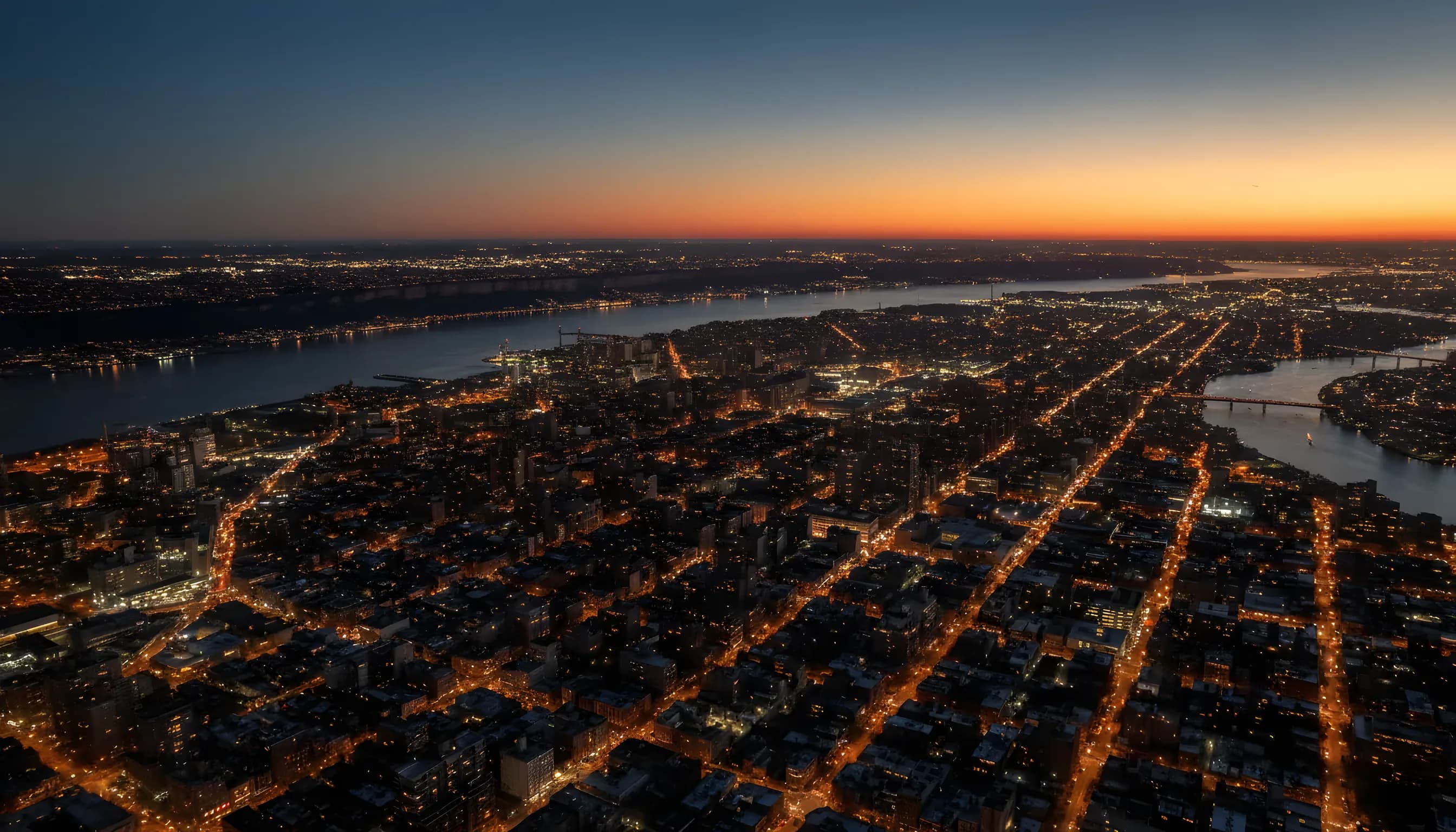
Inwood is the northernmost neighborhood on the island of Manhattan. It is bounded by the Hudson River to the west, Spuyten Duyvil Creek and Marble Hill to the north, the Harlem River to the east and Washington Heights to the south. The neighborhood grew up after the subway arrived: the line now used by the 1 train reached Inwood in 1906, and the A train followed in the 1930s.
What sets Inwood apart is nature. It is one of the few places in Manhattan where you can walk through real forest, then finish the day at a 1780s farmhouse or a medieval art museum.
Exploring the Outdoors in Inwood
Inwood Hill Park
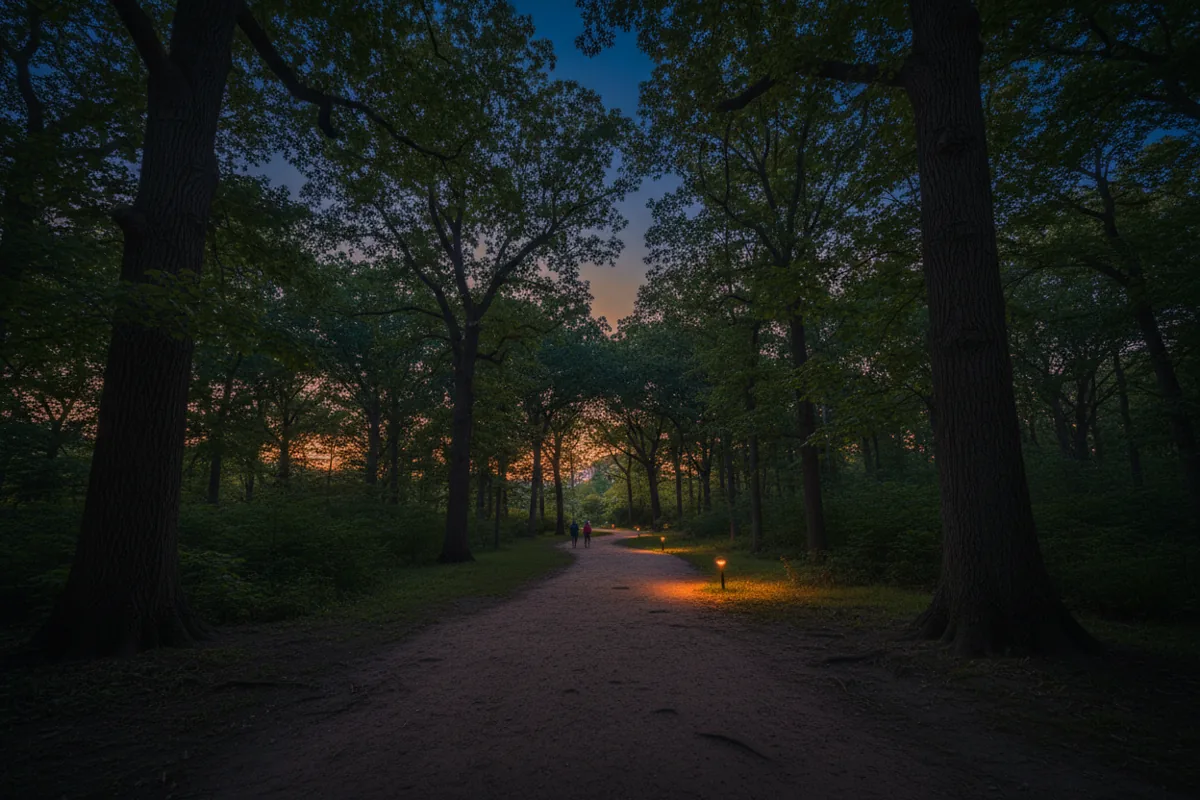
Inwood Hill Park covers about 196 acres on a high schist ridge that rises 200 feet above the Hudson River, from Dyckman Street to the northern tip of the island. Unlike most Manhattan parks, it is largely natural: wooded, non-landscaped hills rather than lawns and planted beds.
The park contains the largest remaining old-growth forest on the island of Manhattan. The central forest was designated the Shorakapok Preserve in 1992. Shorakapkok means "the sitting place" in the Munsee language of the Wecquaesgeek people, who lived in the area for centuries before European settlement.
Plan on sturdy shoes. The trails climb and wind through the woods, and the edges of the park look out over the Hudson and over Spuyten Duyvil Creek toward the Henry Hudson Bridge.
Inwood's waterfront
Water surrounds Inwood on three sides. The Hudson runs along the west, the Harlem River along the east, and Spuyten Duyvil Creek across the north, where the creek meets the Hudson below Inwood Hill Park. The waterfront edges of the park are the best places for river views.
Isham Park
Isham Park is a 20-acre historic park next to Inwood Hill Park. It once ran down to the Harlem River. Today its boundary is Seaman Avenue, and its size matches the original Isham family estate.
Delving into Inwood's History and Culture
Dyckman Farmhouse Museum
The Dyckman Farmhouse Museum is a Dutch Colonial-style farmhouse at Broadway and 204th Street. William Dyckman built it around 1783 to 1785, the third house he built on the site, and it was once part of more than 250 acres of family farmland. It is the oldest remaining farmhouse on Manhattan island, a New York City landmark and a National Historic Landmark.
General admission is $3. Children under 3, Inwood and Washington Heights residents, Culture Pass members and Historic House Trust members get in free, and the garden is always free.
Inwood's Native American history
Before the Dutch and British arrived in the 17th century, the north end of Manhattan, with its clam beds, cornfields and fish runs, was home to Lenape communities, and a large Lenape town straddled the Manhattan and Bronx sides of what is now the Harlem River. The Shorakapok Preserve in Inwood Hill Park takes its name from the Munsee language of the Wecquaesgeek people. A walk through the old-growth forest is the closest you can get in Manhattan to the landscape they knew.
European settlers and their impact on Inwood
European colonization changed Inwood's landscape. Settlers cleared forest for farms and orchards, and both British and American troops burned the woods of what is now Inwood Hill Park during the Revolutionary War. A small five-sided earthen fort with two cannons once overlooked the mouth of Spuyten Duyvil Creek. Farming lasted a long time here: the last family-owned farm in Manhattan is believed to have been in Inwood, near Broadway and 214th Street.
Inwood marble
Inwood gave its name to Inwood marble, a soft, white metamorphic rock found in northern Manhattan. The same rock lies under the Harlem River valley nearby.
Hidden Gems and Unique Experiences
Dyckman Street
Dyckman Street is the neighborhood's main street for eating out, with restaurants and cafes serving a wide range of cuisines. It is also a reminder of the farming family that once owned much of the area.
Sports history at Dyckman Street
The area around Dyckman Street and 10th Avenue was once home to the Dyckman Oval, a 4,500-seat stadium that hosted football, boxing and Negro league baseball until it was demolished in 1938.
Recommendations for Nearby Attractions
Upper Manhattan attractions
- The Met Cloisters and Fort Tryon Park. Just south of Inwood, The Met Cloisters shows medieval European art in settings drawn from French monasteries and abbeys, inside a park designed by the Olmsted Brothers.
- Morris-Jumel Mansion. The oldest surviving house in Manhattan, built in 1765, in Washington Heights.
- Little Red Lighthouse. In Fort Washington Park under the George Washington Bridge.
Marble Hill
Marble Hill sits just north of Inwood. It is legally part of Manhattan, but it is physically connected to the Bronx and is not part of the island of Manhattan.
Dog-Friendly Activities and Other Searches
Inwood's parks make it an easy place to spend time with a dog. Inwood Hill Park and Isham Park both offer room to walk. Check posted park rules for leash requirements and off-leash hours before you go.
Getting to Inwood from JFK or Newark
BLADE offers helicopter flights between Manhattan and JFK or Newark in about 5 minutes, from $195 per seat. BLADE's Manhattan lounges are BLADE Lounge West at the West 30th Street Heliport, BLADE Lounge East at the East 34th Street Heliport and BLADE Downtown at the Wall Street heliport. From the West Side lounge, continue north by car, or take the A train to Dyckman Street or 207th Street, or the 1 train up Broadway.
FAQs about Fun Things To Do Near NYC's Inwood
What are some fun things to do near NYC's Inwood?
Hike the old-growth forest in Inwood Hill Park, visit the Dyckman Farmhouse Museum, walk Isham Park and eat along Dyckman Street. The Met Cloisters in Fort Tryon Park is a short trip south.
Is there a historical gem in Inwood, NYC?
Yes. The Dyckman Farmhouse, built around 1783 to 1785, is the oldest remaining farmhouse on Manhattan island. General admission is $3, and the garden is free.
Is Marble Hill part of Manhattan?
Legally, yes. Marble Hill is part of the borough of Manhattan, but it is physically connected to the Bronx rather than to the island of Manhattan.
Where is Inwood?
At the northern tip of Manhattan, north of Washington Heights, between the Hudson and Harlem Rivers.