
Key Takeaways:
- Washington Heights has three big parks: Fort Tryon Park, Fort Washington Park and Highbridge Park.
- The Met Cloisters in Fort Tryon Park holds medieval art, including the seven Unicorn Tapestries.
- The Morris-Jumel Mansion is the oldest surviving house in Manhattan, and the Little Red Lighthouse sits under the George Washington Bridge.
- The neighborhood is the most prominent Dominican community in the United States, and its food and street life reflect that.
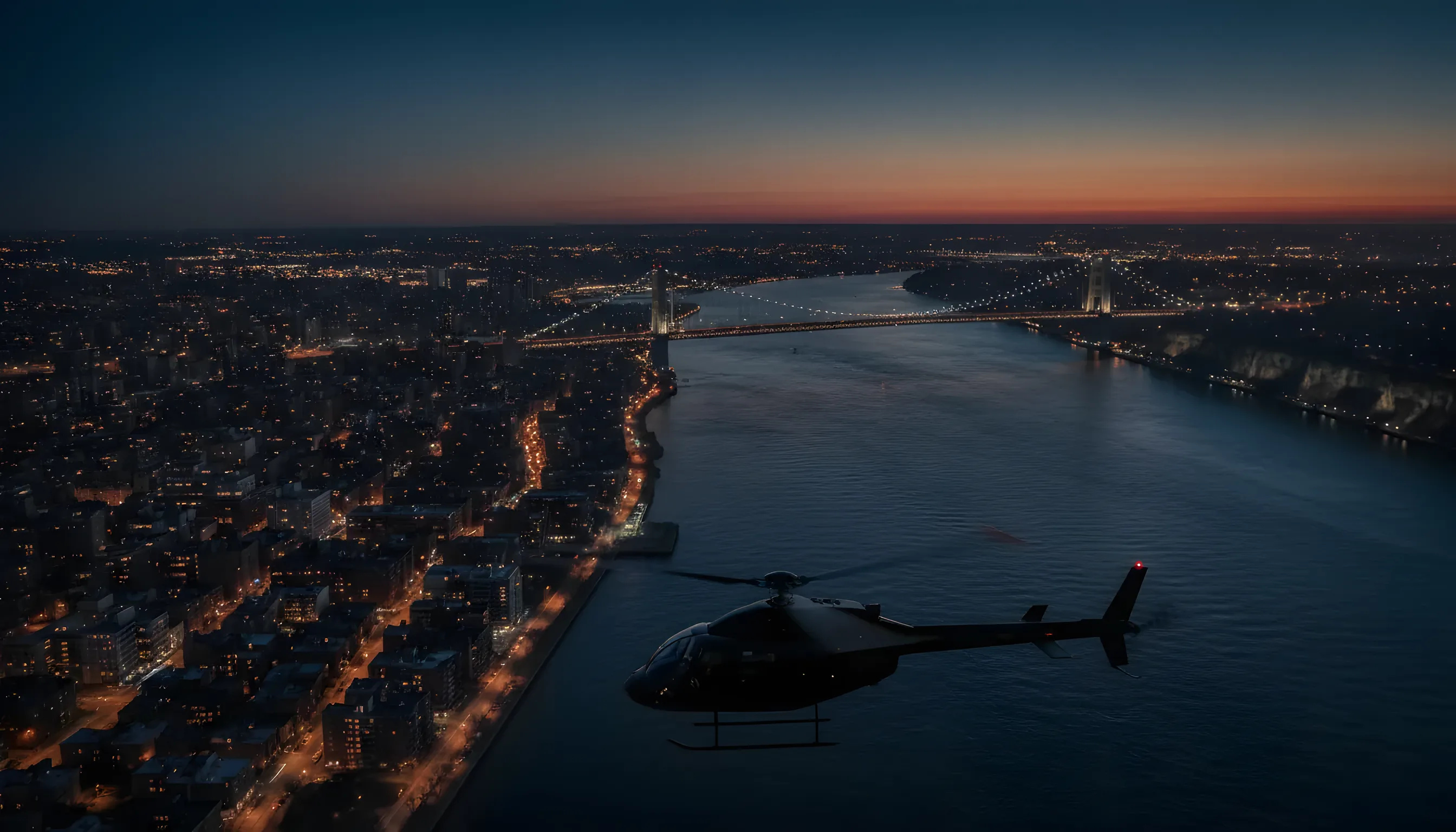
Washington Heights covers the high ridge of Upper Manhattan between 155th Street and Dyckman Street, with the Hudson River on the west and the Harlem River on the east. It is named for Fort Washington, built by Continental Army troops at the highest natural point on Manhattan during the Revolutionary War.
Today it is a residential neighborhood with more green space than most of Manhattan, a world-class medieval museum, Revolutionary War history and a strong Dominican identity. Lin-Manuel Miranda set his musical and film In the Heights here.
Exploring the Parks and Outdoor Spaces
Fort Tryon Park
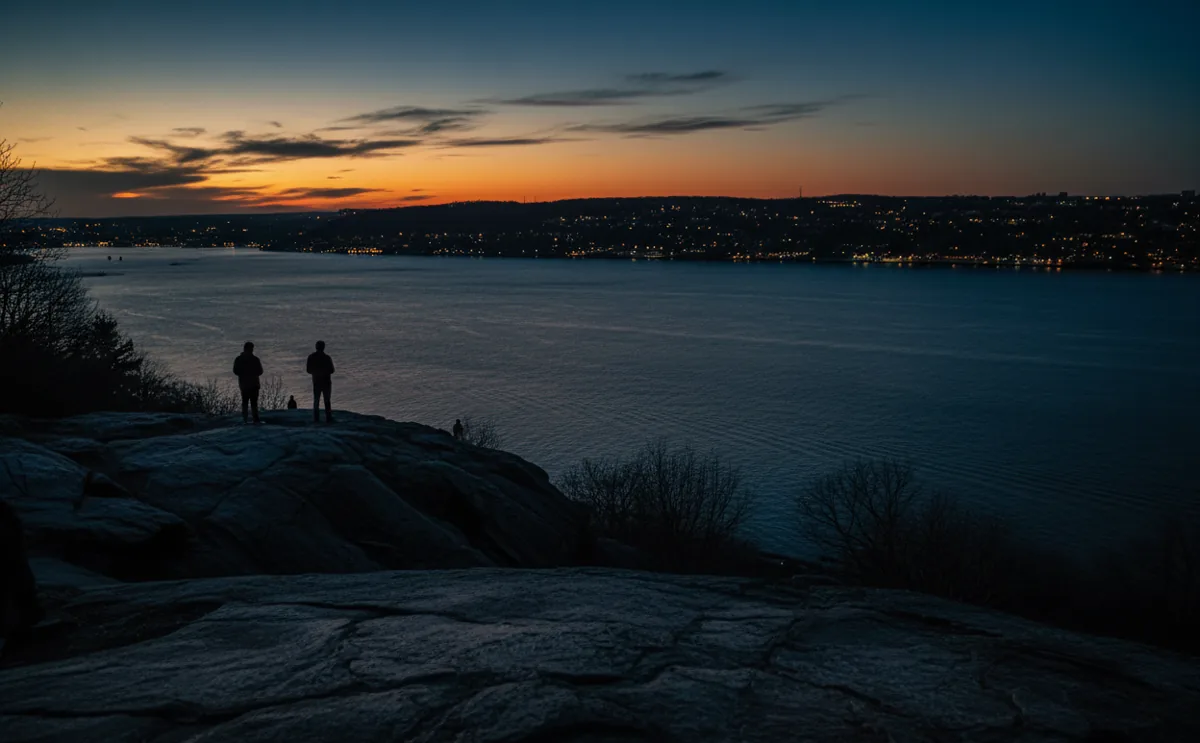
Fort Tryon Park is the neighborhood's showpiece. It was designed by the Olmsted Brothers and covers about 67 acres along the ridge. Walking paths and meadows lead to views of the Hudson and Harlem Rivers, and the Heather Garden, restored in the 1980s, is one of several planted gardens. The Met Cloisters sits at the northern end of the park.
Fort Washington Park
Fort Washington Park runs along the Hudson. It is home to the Little Red Lighthouse and gives you a riverside walk with the George Washington Bridge overhead.
Highbridge Park and the High Bridge
Highbridge Park, on the east side of the neighborhood, is home to the High Bridge Water Tower. The High Bridge itself rises 140 feet over the Harlem River and is the city's oldest major bridge, opened in 1848 as part of the Croton Aqueduct. After decades of closure, it reopened to pedestrians and bicycles on June 9, 2015, so you can walk across to the Bronx.
Bennett Park
Bennett Park is a small park, about 1.8 acres, but it holds the highest piece of land in Manhattan: an outcropping of schist 265 feet above sea level.
Discovering the Art and History
The Met Cloisters and the Unicorn Tapestries
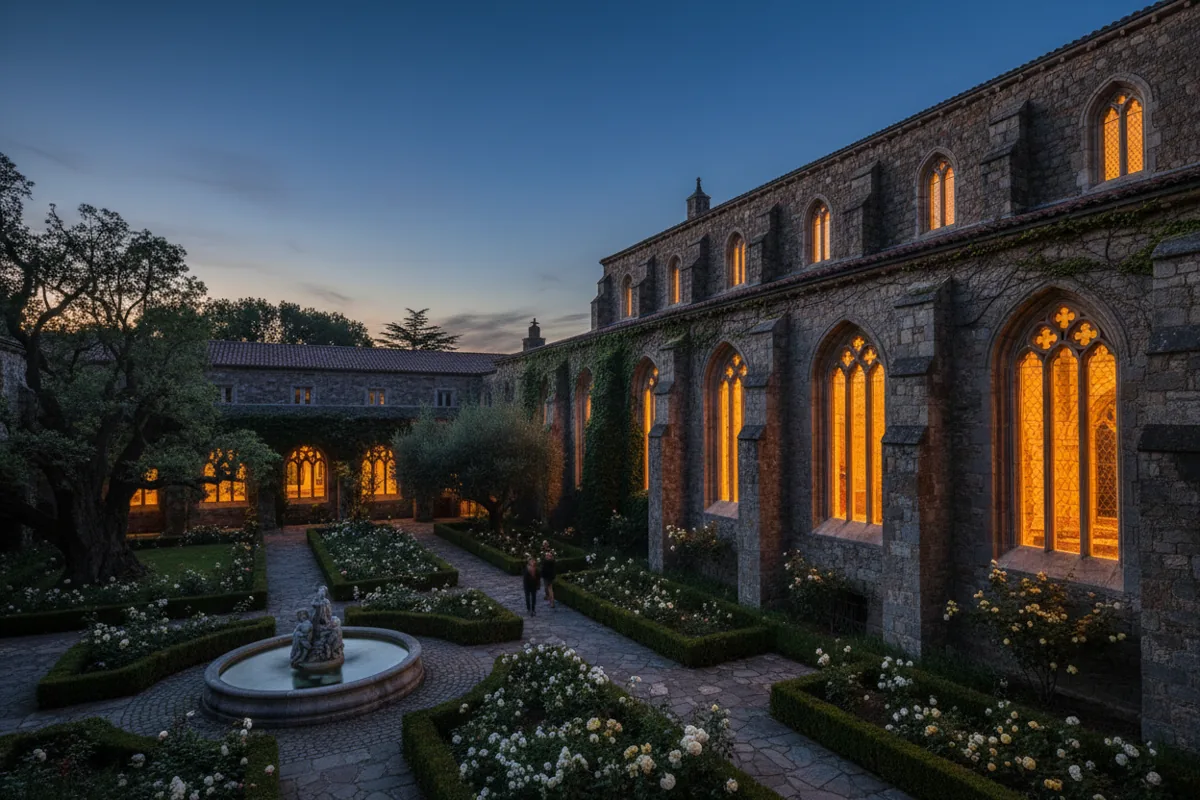
The Met Cloisters is part of the Metropolitan Museum of Art. Its medieval collection is shown in architectural settings drawn from French monasteries and abbeys, with medieval gardens, chapels and themed galleries. The museum holds about 5,000 works of art and architecture, including frescoes, ivories, metalwork and rare Gothic boxwood miniatures.
The most famous works are the Unicorn Tapestries, a series of seven Flemish tapestries made around 1495 to 1505 and also known as the Hunt of the Unicorn. They hang in their own Unicorn gallery. John D. Rockefeller Jr. donated them to the Metropolitan Museum of Art in 1938.
Oldest House: The Morris-Jumel Mansion
The Morris-Jumel Mansion is the oldest surviving house in Manhattan. British officer Roger Morris built it in 1765. George Washington used it as his headquarters for about a month in late 1776, and British and Hessian officers occupied it until 1783. In the 19th century it was home to the family of socialite Eliza Jumel. It has operated as a historic house museum since 1907.
Audubon Terrace and other landmarks
Audubon Terrace, the United Palace, the Audubon Ballroom and the Fort Washington Avenue Armory are other points of interest. The naturalist John James Audubon once owned an estate covering the blocks from 155th to 158th Street west of Broadway.
Unique Experiences and Local Insights
Little Red Lighthouse
The Little Red Lighthouse, officially Jeffrey's Hook Light, stands in Fort Washington Park directly under the George Washington Bridge. It was first built as the North Hook Beacon at Sandy Hook, New Jersey, and was reconstructed at its current site in 1921 to help guide ships on the Hudson. It became famous through the 1942 children's book The Little Red Lighthouse and the Great Gray Bridge, by Hildegarde Swift.
Dominican culture and food
Dominican Americans became the largest group in Washington Heights by the 1980s, and the neighborhood is now the most prominent Dominican community in the United States. The best way to experience it is on foot: walk the commercial streets, stop for Dominican food and coffee, and take in the music and street life.
In the Heights
If you know the neighborhood from Lin-Manuel Miranda's In the Heights, walking the area gives the story real streets and landmarks. Washington Heights is also the setting for Angie Cruz's novels Soledad and Dominicana.
Planning a Day in Washington Heights
- Start at The Met Cloisters and walk through Fort Tryon Park.
- Head south to Bennett Park to stand on the highest natural point in Manhattan.
- Walk down to Fort Washington Park and the Little Red Lighthouse.
- Cross east to the Morris-Jumel Mansion.
- Finish with a walk over the High Bridge, then dinner in the neighborhood.
Getting to Washington Heights from JFK or Newark
BLADE offers helicopter flights between Manhattan and JFK or Newark in about 5 minutes, from $195 per seat. BLADE's Manhattan lounges are BLADE Lounge West at the West 30th Street Heliport, BLADE Lounge East at the East 34th Street Heliport and BLADE Downtown at the Wall Street heliport. From the West Side lounge, continue uptown by car, or take the subway north. The A and 1 trains both run up through Upper Manhattan along Broadway.
FAQs about Fun Things To Do Near NYC's Washington Heights
What are some must-see attractions in Washington Heights?
The Met Cloisters, Fort Tryon Park, the Little Red Lighthouse, the Morris-Jumel Mansion, Bennett Park and the High Bridge.
Where can I see the Unicorn Tapestries?
At The Met Cloisters in Fort Tryon Park, part of the Metropolitan Museum of Art. The series has seven tapestries.
What is the oldest house in Manhattan?
The Morris-Jumel Mansion, built in 1765. George Washington used it as his headquarters in 1776.
Where are the neighborhood's boundaries?
Washington Heights runs from 155th Street north to Dyckman Street, between the Hudson River and the Harlem River. Inwood lies to the north and Harlem to the south.
What is the Lin-Manuel Miranda film set in Washington Heights?
In the Heights, which began as a Broadway musical before it became a film.