

Key Takeaways:
- A private pilot certificate on its own does not let you fly passengers for pay. Pilots who fly private jets and charters for a living hold a commercial or airline transport pilot certificate.
- The U.S. Bureau of Labor Statistics (BLS) reports a median annual wage of $123,220 for commercial pilots and $232,140 for airline pilots, copilots and flight engineers (May 2025).
- Pay depends on certificates, flight hours, aircraft type, employer and location.
When people ask how much private pilots make, they usually mean pilots who fly private jets, charters and corporate aircraft. That is a professional flying job, and it is a different thing from holding a private pilot certificate. This page explains the difference, what the pay data says, and what moves a pilot's earnings up over a career.
Private pilot career overview
In the United States, the FAA private pilot certificate is the license most people earn first. It lets you fly for yourself, your family and friends. FAA rules say that no person who holds only a private pilot certificate may act as pilot in command of an aircraft carrying passengers or property for compensation or hire, apart from narrow exceptions.
To be paid to fly, a pilot moves on to a commercial pilot certificate. According to the BLS, pilots typically earn their FAA certificates and ratings in this order: student pilot certificate, private pilot certificate, instrument rating, commercial pilot certificate, and airline transport pilot certificate. Each step requires a knowledge test and a practical flying exam, called a check ride.
Importance of private pilots
Commercial pilots fly much of what people think of as private aviation. The BLS describes commercial pilots as working in unscheduled flight activities, such as charter flights, aerial tours and aerial application. Some also handle duties beyond flying, like scheduling flights, arranging aircraft maintenance and loading luggage.
Factors Influencing Private Pilot Salaries
Pilot credentials and experience
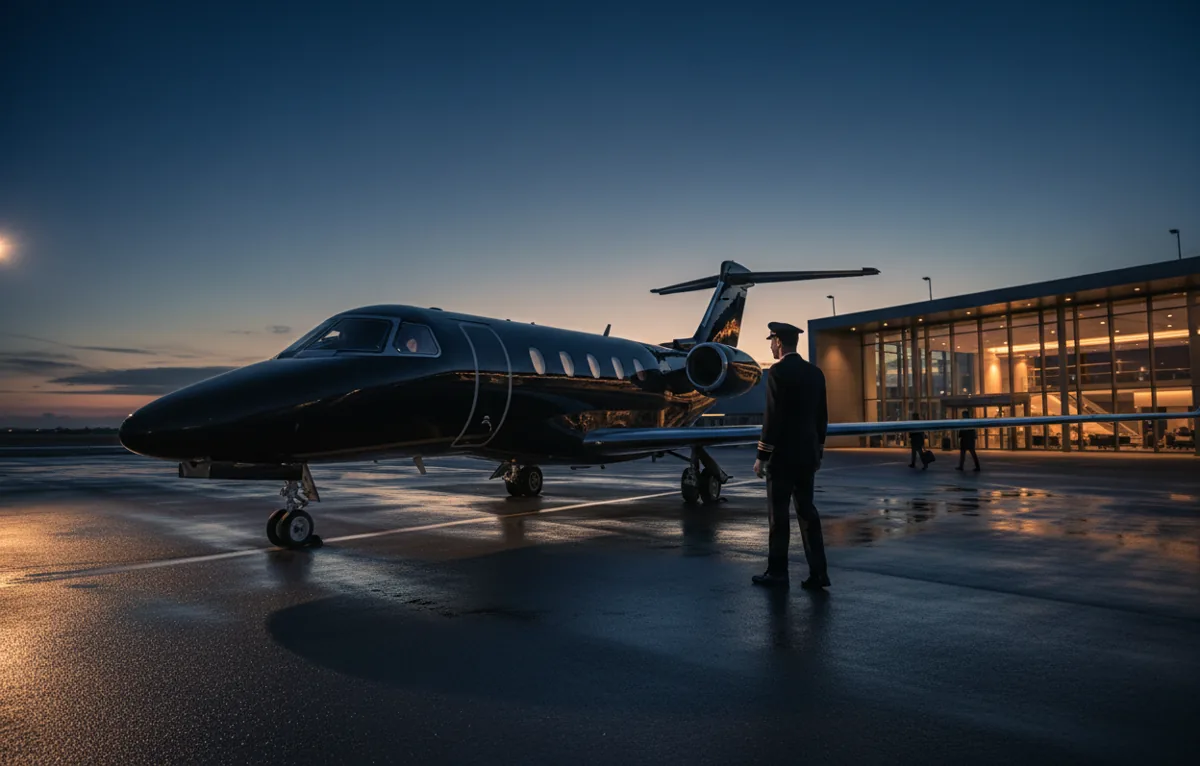
Certificates and flight hours are the biggest drivers of pay. More hours and higher ratings open more jobs and larger aircraft. Some minimums are set by regulation. An airline transport pilot certificate requires 1,500 hours of total time as a pilot, with listed exceptions. For on-demand charter flights under FAA Part 135, a pilot in command flying under instrument rules needs at least 1,200 hours as a pilot.
Type ratings for specific jets also matter. A pilot already rated on an aircraft an employer flies is easier to hire.
Job title and responsibilities
- Pilot in command (captain): responsible for the aircraft, the crew and the passengers, and usually the highest-paid seat.
- Second in command (first officer): shares the flying and the duties, and builds experience toward captain.
- Flight instructor: teaches student pilots. Many pilots instruct early in their careers to build hours.
Geographic location and demand
Most pilots are based near large airports, according to the BLS. Regions with more charter and corporate flying have more jobs, and the cost of living affects the pay offered.
Regional variations in private pilot salaries
Pay varies by market and employer. A pilot in a busy charter market may have more job choices than one in a smaller market, though the trade-off can be cost of living and schedule. Compare offers on total pay, schedule and benefits, not salary alone.
Overview of Private Pilot Salary Range
Median salary statistics
The BLS publishes two figures that cover most professional pilots:
- Commercial pilots: median annual wage of $123,220 in May 2025. The lowest 10 percent earned less than $58,850, and the highest 10 percent earned more than $266,620.
- Airline pilots, copilots and flight engineers: median annual wage of $232,140 in May 2025.
Within commercial pilots, the BLS reports a median of $133,150 in nonscheduled air transportation, the industry that includes charter flying. Nonscheduled air transportation was also the largest employer of commercial pilots, at 38 percent of jobs.
Comparison with other aviation careers
Airline pilots have a higher median wage than commercial pilots in the BLS data. Many pilots use charter and instructor jobs, which usually require less experience, to build the flight hours they need to apply to airlines. Others stay in charter and corporate flying for the schedule, the aircraft or the type of work.
Exploring Private Pilot Salary Components
Benefits of freelancing as a private pilot
Some pilots work on contract for owners and operators instead of as full-time employees. Contract work can add flexibility and experience on different aircraft, but it often comes without benefits, and the work can be uneven.
Hourly rate and minimum number of hours
Pilots hired to fly private aircraft are typically paid an hourly rate with a minimum number of hours per month or year, or a salary. Read any contract for the hours it includes, how days away from home are paid, and how duty time is scheduled.
Additional income opportunities
- Flight instruction, for pilots who hold a flight instructor certificate
- Per diem, an allowance for time away from home, which the BLS notes is common for airline pilots
- Extra pay for international trips or additional duties, depending on the employer
Career Progression and Salary Growth
Progression to larger aircraft and airlines
Pay usually rises as pilots move to larger, more complex aircraft. Each step can require a new type rating and employer training. The BLS notes that newly hired pilots at airlines and on-demand air services companies undergo on-the-job training that usually includes several weeks of ground school and flight training.
Salary growth with experience and seniority
Airline pilots usually begin as first officers and receive raises as they gain experience and seniority. Charter and corporate pilots also tend to earn more as they upgrade to captain and fly larger aircraft. Federal law requires airline pilots to retire at age 65.
Opportunities for Private Pilots

Flight school and training programs
Training starts with a student pilot certificate and moves up through the private, instrument and commercial steps. Students train with FAA-certified flight instructors or at flight schools. The BLS notes that airline pilots typically need a bachelor's degree, while commercial pilots typically need flight training, and some employers require or prefer a degree.
Job opportunities in the aviation industry
The BLS lists the largest employers of commercial pilots as nonscheduled air transportation, private technical and trade schools, other ambulatory healthcare services (which includes air medical work), and support activities for air transportation. The BLS projects 7 percent growth in employment of airline and commercial pilots from 2025 to 2035, much faster than average.
Fly with Blade: Experience the Future of Private Aviation
BLADE arranges helicopter, seaplane and jet flights, from Manhattan airport transfers to private charters. BLADE does not fly the aircraft itself. All BLADE flights in the United States are operated by DOT/FAA licensed carriers, which employ the pilots.
Conclusion
Pilots who fly private aircraft for pay hold commercial or airline transport certificates, not only a private pilot certificate. The BLS median for commercial pilots was $123,220 in May 2025, with a wide range around it. Hours, ratings, aircraft type and employer move a pilot's pay more than anything else.
Some Facts About How Much Do Private Pilots Make:
- The median annual wage for commercial pilots was $123,220 in May 2025. (Source: U.S. Bureau of Labor Statistics)
- The median annual wage for airline pilots, copilots and flight engineers was $232,140 in May 2025. (Source: U.S. Bureau of Labor Statistics)
- Commercial pilots in nonscheduled air transportation had a median annual wage of $133,150 in May 2025. (Source: U.S. Bureau of Labor Statistics)
- Commercial pilots held about 50,400 jobs in 2025. (Source: U.S. Bureau of Labor Statistics)
- A private pilot certificate holder may not act as pilot in command carrying passengers or property for compensation or hire, apart from narrow exceptions. (Source: 14 CFR 61.113)
FAQs about How Much Do Private Pilots Make
How much do private pilots make?
Pilots who fly private aircraft for a living are usually commercial pilots. The BLS reports a median annual wage of $123,220 for commercial pilots in May 2025, and $133,150 for those in nonscheduled air transportation, which includes charter flying. A person with only a private pilot certificate generally cannot be paid to fly.
What factors affect the salary of private pilots?
Certificates and ratings, flight hours, the type of aircraft, the employer and the location all affect pay.
Do private pilots earn more than commercial pilots?
A private pilot certificate holder generally cannot be paid to fly passengers, so professional pilots in private aviation are commercial or airline transport pilots. In the BLS data, airline pilots have a higher median wage than commercial pilots.
What is the average salary of commercial airline pilots?
The BLS reports a median annual wage of $232,140 for airline pilots, copilots and flight engineers in May 2025. The lowest 10 percent earned less than $106,710, and the highest 10 percent earned more than $463,830.
Can private pilots negotiate their pay rate?
Yes. Pay terms vary by employer and contract, so experience, ratings on the employer's aircraft and willingness to travel all give a pilot room to negotiate.
What are some examples of companies that hire private pilots?
Charter operators, fractional and corporate flight departments, air medical services, flight schools and aerial tour operators all hire professional pilots. The BLS lists nonscheduled air transportation as the largest employer of commercial pilots.