
Understanding Temporary Flight Restrictions (TFR)
Temporary Flight Restrictions (TFR) are regulatory measures imposed by the Federal Aviation Administration (FAA) to ensure the safety of airspace. TFRs are put into place when there is an emergency situation, or when VIPs or major events are taking place. These restrictions can prohibit or limit the access of certain aircraft within a defined area.
TFRs can affect a variety of airspace users, including commercial and general aviation pilots, drones, and even hot air balloons. The FAA releases TFRs in advance, and pilots should always check for any possible TFRs along their planned route before flying.
Violating a TFR can bring severe penalties, including suspension or revocation of flight privileges and possible criminal charges. Pilots must always carefully review and adhere to all TFR restrictions.
To avoid issues with TFRs, pilots can consult with their Fixed Base Operator (FBO) for current and upcoming TFR information. Additionally, utilizing FAA-approved resources such as the FAA’s TFR website can provide the necessary information to ensure safe and compliant flying.
The Definition of Temporary Flight Restrictions
Temporary Flight Restrictions (TFR) refer to airspace restrictions that are put in place for a limited period. These restrictions are implemented by the Federal Aviation Administration (FAA) to maintain safety, security, or privacy. During a TFR, pilots are not allowed to fly within the restricted airspace without FAA approval. TFRs can be affected due to various reasons such as wildfires, VIP movements, or natural disasters. These restrictions can be viewed on the FAA’s Notice to Airmen (NOTAM) service.
Violations can lead to fines or suspension of a pilot license, so pilots need up-to-date TFR information.
Pro Tip: Pilots should always stay aware of TFRs by regularly checking NOTAMs before and during flights. Additionally, seeking the assistance of a trusted Fixed Base Operator (FBO) can provide pilots with the latest information on TFRs affecting the area.
How Temporary Flight Restrictions affect helicopter and charter operations
Temporary Flight Restrictions directly impact helicopter and charter operations, especially in high-density airspace like New York. Operators flying for providers such as BLADE plan routes, departure windows and airspace access in real time to comply with FAA-issued TFRs while keeping disruption for passengers low. Because TFRs can appear with limited notice due to security events or presidential movement, professionally operated helicopter services rely on continuous NOTAM monitoring and coordination with air traffic control to adjust flight paths or schedules safely and legally. For travelers, this means TFR compliance is handled operationally by the operator rather than the passenger.
Who issues Temporary Flight Restrictions and how they are enforced
Temporary Flight Restrictions are issued by the Federal Aviation Administration and enforced through air traffic control, law enforcement agencies, and in some cases, military assets. Once a TFR is active, it becomes legally binding airspace, and pilots are responsible for compliance regardless of intent or awareness. Enforcement can include aircraft interception, certificate action, civil penalties, or criminal investigation, depending on the severity of the violation. This strict enforcement framework is why continuous preflight briefings and real-time updates are critical for all flight operations.
The Types of Temporary Flight Restrictions
This section covers three types of Temporary Flight Restrictions (TFR): Emergency TFRs, NOTAM (Notice to Airmen) TFRs and Presidential TFRs.
Emergency Temporary Flight Restrictions (TFR)
During times of emergency, certain areas are designated as off-limits to air traffic. Temporary Flight Restrictions (TFR) can be put in place by the authorities to ensure safety and security. Within this category, Emergency TFRs may be issued without prior notice when there is an immediate safety or security risk. This could include emergency response efforts following a natural disaster, or during VIP travels.
Emergency TFRs come into effect rapidly and may keep pilots from entering into certain airspace or even from taking off or landing at specific airports. The Federal Aviation Administration (FAA) sets such restrictions on a case-by-case basis and updates them regularly on their website. During such circumstances, air traffic controllers have the authority to redirect planes towards alternate routes.
Pilots should check for new TFRs before every takeoff, since they can also be issued for terrorist threats. With this in mind, it’s important for pilots to monitor FAA updates through approved channels like online government websites and flight service providers.
In addition, it’s crucial that drone operators understand TFRs fully as violating these temporary restrictions can result in severe penalties and legal action. Drone pilots should check the current list of TFRs before flying anywhere, even below 400 ft.
Next are NOTAM Temporary Flight Restrictions, which cover a wider range of events.
NOTAM (Notice to Airmen) Temporary Flight Restrictions
Temporary Flight Restrictions (TFR) are notices issued by the Federal Aviation Administration (FAA) that prohibit aircraft from entering a designated area of airspace. These TFRs can be issued for a variety of reasons, including security concerns, natural disasters, or other hazardous conditions. The FAA releases these NOTAMs (Notice to Airmen) Temporary Flight Restrictions to inform pilots and aviation professionals about the airspace regulations.
Pilots may face difficulties when flying in areas where temporary flight restrictions are established since they must comply with the new rules strictly. There are different types of NOTAM Temporary Flight Restrictions such as National Security Special Events (NSSE) and Presidential Temporary Flight Restriction (TFR). Each type has specific requirements and limitations that should be taken into account when planning a flight.
It’s important to keep updated on NOTAM Temporary Flight Restrictions before takeoff to avoid potential hazards or violations. Pilots must consult official sources of information such as FAA websites or apps for current NOTAMs that could affect their flight plan.
Presidential Temporary Flight Restrictions
Temporary Flight Restrictions (TFRs) that restrict the airspace due to the Presidential movement are known as ‘Presidential Movement TFRs‘. The President’s official aircraft, Air Force One, causes these restrictions to be put into place. It is crucial for aviation and airport authorities to consider these restrictions since they limit access to airspace and minimize potential risks during Presidential travel.
These restrictions typically apply to all aircraft types, including drones, within a specified radius of the President’s location. Moreover, when the President attends an event or visits a city, these TFRs can extend past the time of his visit for security purposes. The Federal Aviation Administration (FAA) determines the specifications for Presidential Movement TFRs, which vary by location.
Violating these TFRs can have severe legal consequences, so pilots must check for active TFRs before every flight.
Pro Tip: Ensure you keep track of updates regarding Presidential Temporary Flight Restrictions by checking NOTAM briefings regularly.
Plan any flight near a Presidential TFR with extra care.
Impacts of Temporary Flight Restrictions on Pilots and Airlines
Temporary Flight Restrictions (TFRs) can adversely affect airlines and pilots by causing delays, diversions, and cancellations. These restrictions can be implemented due to weather conditions, security events, or presidential movements, and can range from small localized areas to large geographical regions. TFRs can affect the flight routes, altitude levels, and timings and can lead to significant loss of revenue for the airlines. Pilots flying in restricted areas also face increased scrutiny and documentation requirements, which can reduce their overall efficiency.
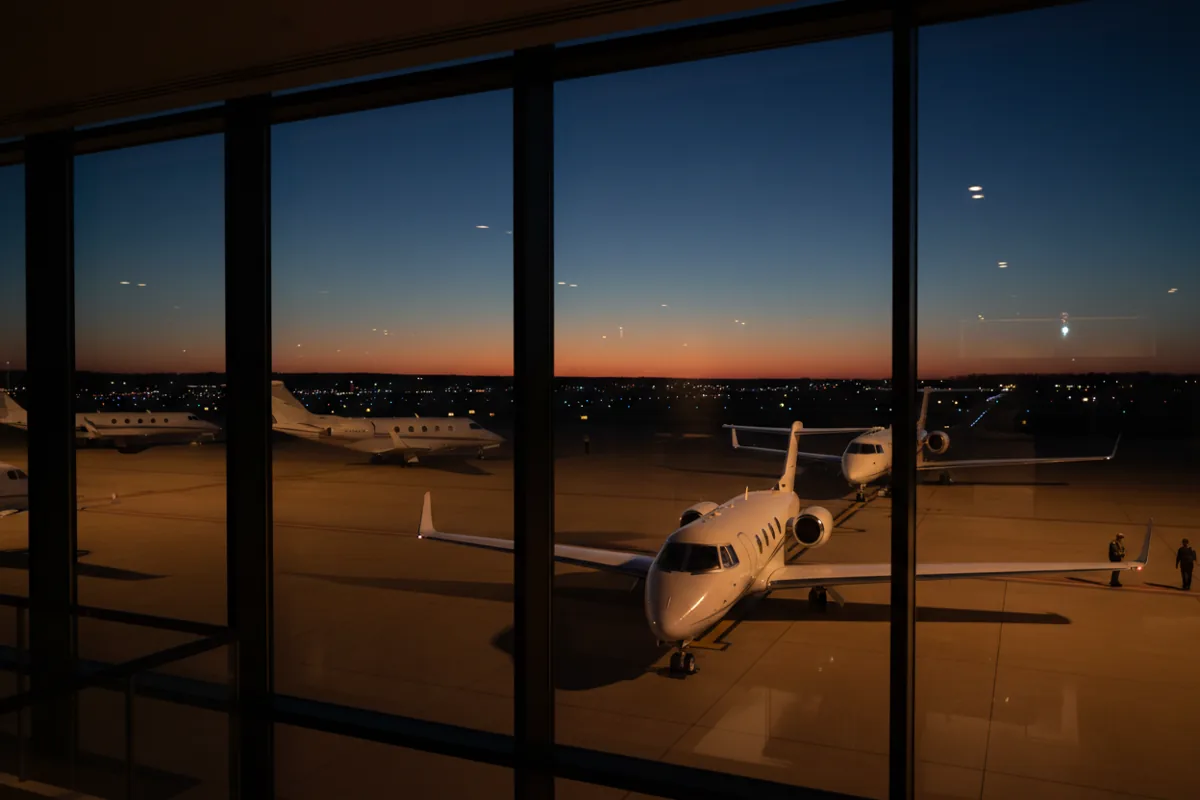
Additionally, TFRs can also impact Fixed Base Operators (FBOs), as they may need to accommodate an influx of diverted flights and passengers. FBOs need to quickly respond to changes in flight operations and provide necessary facilities and services to stranded passengers. Such events can strain their resources, requiring them to be prepared for any contingencies. It is crucial for airlines and pilots to stay updated on the latest TFRs to avoid disruptions and adapt to any changes in flight plans.
Pro Tip: Pilots and airlines should use available resources, such as Flight Service Stations and NOTAMs, to stay informed about TFRs and plan accordingly. Checking early saves time when plans change.
How to Stay Informed About Temporary Flight Restrictions
Staying Up-to-date on Temporary Flight Restrictions
Staying aware of Temporary Flight Restrictions (TFR) takes regular checking. One way to accomplish this is by subscribing to the Federal Aviation Administration (FAA) TFR notification system. This system notifies authorized subscribers of TFRs in real-time through email or text messages.
It is also essential to maintain updated charts and diagrams displaying all of the current TFRs and to review Notices to Airmen (NOTAM) thoroughly. In addition, keeping regular contact with Fixed Base Operators (FBO) can help keep you aware of any new or upcoming TFRs.
To avoid any potential liability issues, pilots must be aware of all current TFRs and plan their flight paths accordingly.
In 2015, a recreational drone pilot crashed the drone on the White House lawn in violation of the temporary flight restriction in place, causing significant security concerns. His failure to stay informed about the TFR emphasizes the gravity of staying up-to-date. Staying current on TFRs protects pilots on both legal and safety grounds.
How TFRs impact flights in New York airspace
New York airspace is especially sensitive to Temporary Flight Restrictions due to frequent VIP movement, large public events, and dense commercial traffic. Presidential TFRs around Manhattan, Long Island, or major airports can temporarily restrict common helicopter corridors and general aviation routes. During these periods, operators must reroute, delay, or cancel flights to remain compliant. For passengers, operators that actively manage airspace constraints can often adjust schedules rather than cancel outright.
FAQs about What Are Temporary Flight Restrictions (Tfr)
What are Temporary Flight Restrictions (TFR)?
Temporary Flight Restrictions (TFR) are airspace restrictions within a specified area around a special event, natural disaster, or other sensitive area. TFRs are put in place for a variety of reasons, including national security, law enforcement, aviation safety, or the protection of people and property on the ground.
How are Temporary Flight Restrictions (TFR) enforced?
TFRs are enforced by the Federal Aviation Administration (FAA) and other authorities, including local law enforcement. Pilots are responsible for checking for any TFRs in their planned route of flight prior to departure, and they must follow all TFR guidelines once in flight. Violating a TFR can result in civil penalties, including fines and suspension or revocation of the pilot’s license.
How long do Temporary Flight Restrictions (TFR) last?
The duration of a TFR can vary based on the reason for the restriction. TFRs put in place for events such as sporting events or air shows typically last for only a few hours, while TFRs related to natural disasters or other emergencies may remain in place for days or even weeks. It is important for pilots to stay up-to-date on the expiration and removal of TFRs to ensure they are complying with all regulations.
Can pilots fly through Temporary Flight Restrictions (TFR) with prior permission?
It is possible for pilots to fly through a TFR with prior permission from the appropriate authorities. This is often the case for operations such as medical flights, search and rescue missions, or other emergency services. However, obtaining permission can be a complex and time-consuming process, so pilots are generally advised to avoid TFRs altogether unless there is a critical need to enter the restricted airspace.
How can pilots find out if there are Temporary Flight Restrictions (TFR) in their planned route of flight?
Pilots can find out about TFRs in a number of ways, including by checking the FAA’s TFR website or by subscribing to services that provide up-to-date information on TFRs. Additionally, pilots should always check with air traffic control or other aviation authorities prior to departure to ensure they are aware of any current TFRs.
What happens if a pilot inadvertently flies into a Temporary Flight Restriction (TFR)?
If a pilot inadvertently flies into a TFR, they should immediately vacate the restricted airspace and then contact air traffic control or other appropriate authorities to report the violation. Depending on the circumstances of the violation, the pilot could face civil penalties or even criminal charges. It is always best for pilots to stay informed about TFRs and to avoid restricted areas altogether unless there is a critical need to enter.