
Transporting organs for transplantation is a time-sensitive process that directly affects whether a transplant can go ahead. Whether it’s a heart, liver, or kidney, each organ must be carefully preserved and rapidly transported to ensure it remains viable for transplant. Slow or poorly coordinated transport can put a transplant at risk. This article covers the technologies, logistics and regulations behind organ transport, and the advances that are improving transplant outcomes and access.
Key Takeaways
Technological advancements in organ transport, including real-time tracking and automated routing, enhance the efficiency and safety of delivering organs for transplantation.
Organ Procurement Organizations (OPOs) play a critical role in coordinating the recovery and transportation of organs, ensuring compliance with regulations and effective matching of donors to recipients.
Despite progress, challenges such as logistical delays and the non-use of recovered organs persist, highlighting the need for continued innovations and improved distribution strategies in organ transportation.
How Are Organs Transported for Transplant?
Organs are transported for transplant by carefully coordinating with organ procurement teams, using sterile containers and preservation solutions to maintain viability. Transport involves ambulances, helicopters, and planes, with ischemic time limits dictating urgency. Hearts and lungs require transplant within 4-6 hours, while kidneys last 24-36 hours.
What Are the Main Methods Used to Transport Organs?
The main methods used to transport organs for transplant are ground transport by ambulances for short distances and air transport by helicopters or jets for longer distances. Combination transport, using both methods, ensures rapid delivery. The choice depends on organ type, ischemic tolerance, distance, and urgency. Below, we discuss the key methods used in organ transport to ensure successful delivery and transplantation.

1. Ground Transport for Organ Transplant
Ground transport facilitates organ transplantation by using ambulances equipped with refrigeration and sterile containers to maintain organ viability over short distances. Trained medical personnel monitor conditions during transit, ensuring stability. Over short distances it offers more route control, direct hospital communication and fewer handoffs than air travel.
2. Air Transportation for Organ Transport
Air transportation for organ transplant uses helicopters, private jets, and commercial airlines to quickly deliver organs over long distances. Helicopters handle regional transport, jets cover international or interstate routes, and commercial airlines offer cost-effective options. This reduces ischemic time and widens the area an organ can reach.
What Technologies Are Advancing Organ Transport?
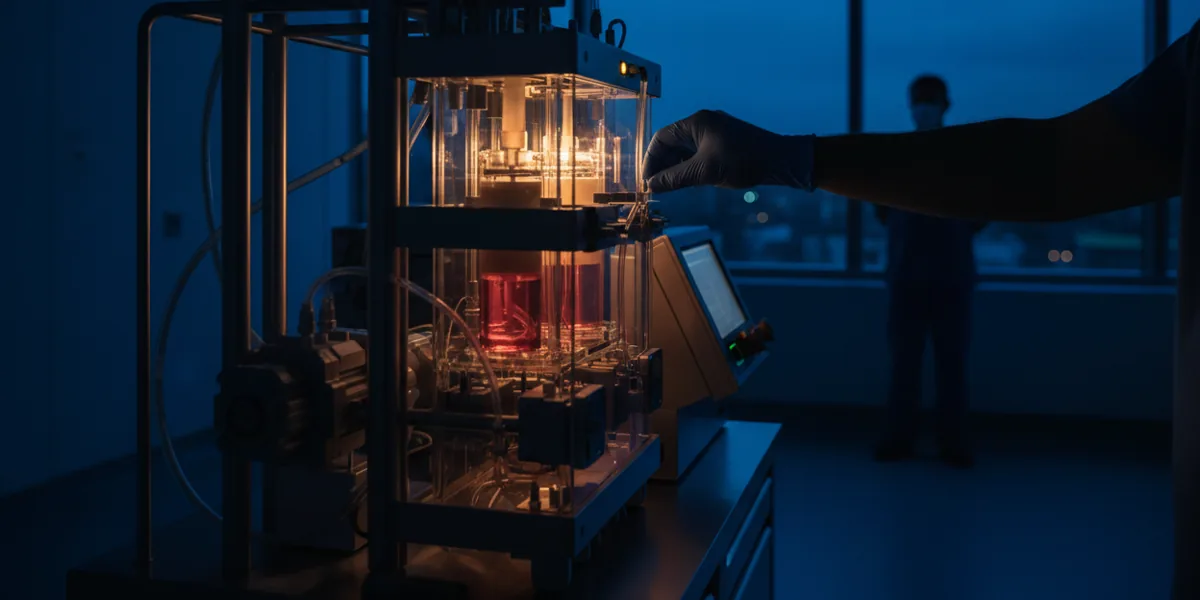
Technologies advancing organ transport include drones, real-time tracking, and machine perfusion systems. Drones offer rapid regional delivery while tracking systems provide continuous location and condition updates. Machine perfusion preserves organs longer by simulating body conditions. Together they speed delivery and help keep organs viable in transit.

How Do Real-Time Tracking Systems Improve Organ Transport?
Real-time tracking systems improve organ transport by providing live updates on location, temperature, and transit conditions. This prevents delays, ensures optimal storage, and alerts transport teams to fluctuations that could harm the organ. Tracking enhances coordination between hospitals, ensuring surgical teams are ready upon arrival, and reducing ischemic time.
Can Drones and AI Optimize Organ Transportation?
Drones and AI optimize organ transportation by enabling faster delivery, bypassing traffic, and maintaining organ viability with specialized containers. AI improves route planning and risk assessment, adapting to delays and recommending alternatives. Together, they reduce ischemic time, enhance efficiency, and expand access to transplants in remote and urban areas.
What Is the Role of Organ Procurement Organizations (OPOs) in Transporting Organs?
Organ Procurement Organizations (OPOs) coordinate organ recovery, preservation, and transportation, ensuring timely delivery to transplant centers. OPOs manage logistics, match donors to recipients, and oversee compliance with medical and legal standards. Their coordination keeps the process moving from recovery to delivery.
How Do OPOs Facilitate Organ Transport from Donor to Recipient?
OPOs facilitate organ transport by identifying donors, obtaining consent, matching organs to recipients, and coordinating transport logistics. They arrange specialized vehicles, preserve organs in sterile containers, and communicate with transplant teams to ensure timely delivery. This minimizes ischemic injury and maximizes transplant success.
What Regulations Must OPOs Follow in Organ Transportation?
OPOs must follow regulations from the Code of Federal Regulations (CFR), Organ Procurement and Transplantation Network (OPTN), and United Network for Organ Sharing (UNOS). These rules cover packaging, labeling, temperature control, and documentation to ensure organ safety and equitable distribution. Personnel must receive hazardous materials and emergency response training.
What Safety and Compliance Measures Govern Transport of Organs?
Safety and compliance measures for organ transport include packaging, labeling, and temperature controls mandated by the Code of Federal Regulations (CFR). The Organ Procurement and Transplantation Network (OPTN) and United Network for Organ Sharing (UNOS) enforce equitable organ distribution, while personnel undergo hazardous materials training to ensure secure, contamination-free transit.
Training and Certification for Organ Transport Personnel
Organ transport personnel require Hazardous Materials (Hazmat) certification and training to handle preservation fluids and sensitive organs safely. Drivers must obtain a Hazmat endorsement on their Commercial Driver’s License (CDL), ensuring proper loading, refrigeration, and emergency response. Logistics staff and couriers also receive compliance training to uphold organ viability and safety.
Which Organs Are Commonly Transported for Transplants?
The most commonly transported organs for transplants are kidneys, livers, hearts, and lungs. Kidneys can survive 24 to 36 hours in cold storage, while hearts and lungs require transplant within 4 to 6 hours to preserve organs' viability after death. Livers must be transplanted within 8 to 12 hours, necessitating rapid transport methods like helicopters and jets.
How Are Different Organs Preserved During Transport?
Organs are preserved during transport using cold storage for kidneys, and either cold storage or perfusion systems for livers, hearts and lungs. Cold storage slows metabolism by maintaining organs at 4°C, while perfusion systems circulate oxygenated fluid, extending viability and preventing ischemic injury.
What Specific Methods Are Used for Heart, Liver, and Lung Transport?
Hearts, livers, and lungs are transported using cold storage or advanced perfusion technologies. Hearts may be moved in cold storage or on ex vivo perfusion, which keeps them beating during heart transportation to extend viability and improve transplant outcomes. Livers are preserved with normothermic machine perfusion (NMP), while lungs use ex vivo lung perfusion (EVLP), extending viability and improving transplant success.
Bottom Line: Transporting Organs
Transport technology, OPO coordination and strict safety rules all contribute to successful organ transplants. Despite the challenges, continuous innovations in logistics and broader sharing initiatives are making it possible to save more lives.
Becoming an organ donor is a significant step that anyone can take to contribute to this life-saving cause. By doing so, you can help bridge the gap between donors and recipients, ensuring that more people have access to the transplants they need.
FAQs about Transporting Organs
How Are Organs Tracked During Transport?
Organs are tracked during transport using real-time monitoring systems. These systems provide continuous updates on location, temperature, and transport conditions, ensuring organs remain viable throughout the journey. Tracking allows transplant teams to intervene if delays occur, preserving organ function and increasing the likelihood of a successful transplant.
What Is the Role of Preservation Fluids in Organ Transport?
Preservation fluids play a critical role in organ transport by slowing metabolic activity and preventing tissue damage. After retrieval, organs are flushed with these specialized fluids to maintain viability until transplantation. Preservation fluids help extend the ischemic window, allowing organs to remain viable for longer periods during transport.
How Is Security Maintained During Organ Transport?
Security during organ transport is maintained through strict chain-of-custody procedures, specialized transport containers, and trained personnel. The organ is accompanied by medical couriers to ensure it reaches the transplant center without tampering or misplacement. This security helps protect the organ's integrity and prevents delays.
What Is the Role of Specialized Couriers in Organ Transport?
Specialized couriers handle the safe, timely delivery of organs. They are trained to handle temperature-sensitive containers and navigate emergency routes to reduce transport time. Specialized couriers ensure organs are handled with care, minimizing risks during transit.
How Are Organs Transported Across International Borders?
Organs transported across international borders require specialized documentation and coordination between countries. The process involves customs clearance, regulatory compliance, and fast-tracked transport services. This ensures organs reach the recipient in time, preserving their viability for transplant.
What Happens if Transport Delays Occur During Organ Delivery?
If transport delays occur during organ delivery, transplant teams activate contingency plans, such as rerouting flights or using alternative vehicles. Real-time monitoring helps identify potential delays early, allowing quick action to protect organ viability. Timely interventions are essential to ensure successful transplantation.
Why Is Temperature Control Critical in Organ Transport?
Temperature control is critical in organ transport because it slows cellular metabolism, preventing organ degradation. Organs are stored in specialized containers filled with preservation fluids and ice, maintaining temperatures around 4°C. This controlled environment is essential to preserving organ function during transport.
How Is Organ Viability Confirmed Upon Arrival?
Upon arrival, organ viability is confirmed through visual inspection, temperature checks, and perfusion tests. Transplant teams assess the organ’s condition to ensure it remains suitable for transplant. Confirming viability is essential to prevent complications during surgery.
What Factors Determine the Type of Transport Used for Organs?
The type of transport used for organs depends on distance, organ type, and urgency. Helicopters and jets handle long-distance transport, while ambulances manage short-distance deliveries. The urgency of the transplant and ischemic tolerance of the organ influence the transport method chosen.
How Do Drones Impact Organ Transport Efficiency?
Drones improve organ transport efficiency by bypassing ground traffic and reducing delivery times for short-distance transplants. Drones are equipped with preservation units to maintain temperature control during flight. Their use enhances the speed and reliability of organ transport, particularly in urban and remote areas.
BLADE's former medical transport division is now part of Strata Critical, which provides organ transport and transplant logistics for organ procurement organizations and transplant centers.
Disclaimer: