
Traveling in a private jet changes the parts of a trip that wear you down: the terminal, the lines and the fixed schedule. This guide covers how it works, what it costs, the main types of jets and how to plan the trip.
What is Private Jet Travel?
Private jet travel means flying on an aircraft that carries only you and your group. Most travelers do it by chartering: you book the whole aircraft for a specific trip, and a licensed operator flies it. Others own an aircraft, own a share of one, or buy hours through a membership.
With BLADE, you charter through BLADE Anywhere. BLADE acts as an air charter broker and indirect air carrier, and all BLADE flights in the United States are operated by DOT/FAA licensed direct air carriers.
What is the fastest way to get to a private jet terminal in NYC area
In New York, the slowest part of a private trip is often the drive to the airport. From Manhattan, BLADE offers helicopter flights to JFK and Newark in about 5 minutes, from $195 per seat, from lounges at the West 30th Street, East 34th Street and Downtown (Wall Street) heliports. North of the city, BLADE also flies between Westchester and JFK or Newark, from $225, in as little as 30 minutes, with a private terminal at Westchester County Airport.
How is Private Jet Travel Different from Commercial Air Travel?
- Privacy. The cabin holds only your group.
- Schedule. You choose the departure time, and the aircraft leaves when you are ready.
- Airports. You can use smaller airports and private terminals, often closer to where you are going.
- Cost. You pay for the aircraft rather than a seat, so private travel usually costs more than flying commercial. The cost per person falls as more people share the flight.
Private jet travel vs first class: what is the real difference
First class improves the seat. Private aviation changes the whole trip. In first class, you still follow the airline's schedule, its airport and its boarding process, and you share the cabin. On a private jet, you choose the timing, the aircraft and the airport, and you usually board from a private terminal.
Benefits of Traveling in a Private Jet
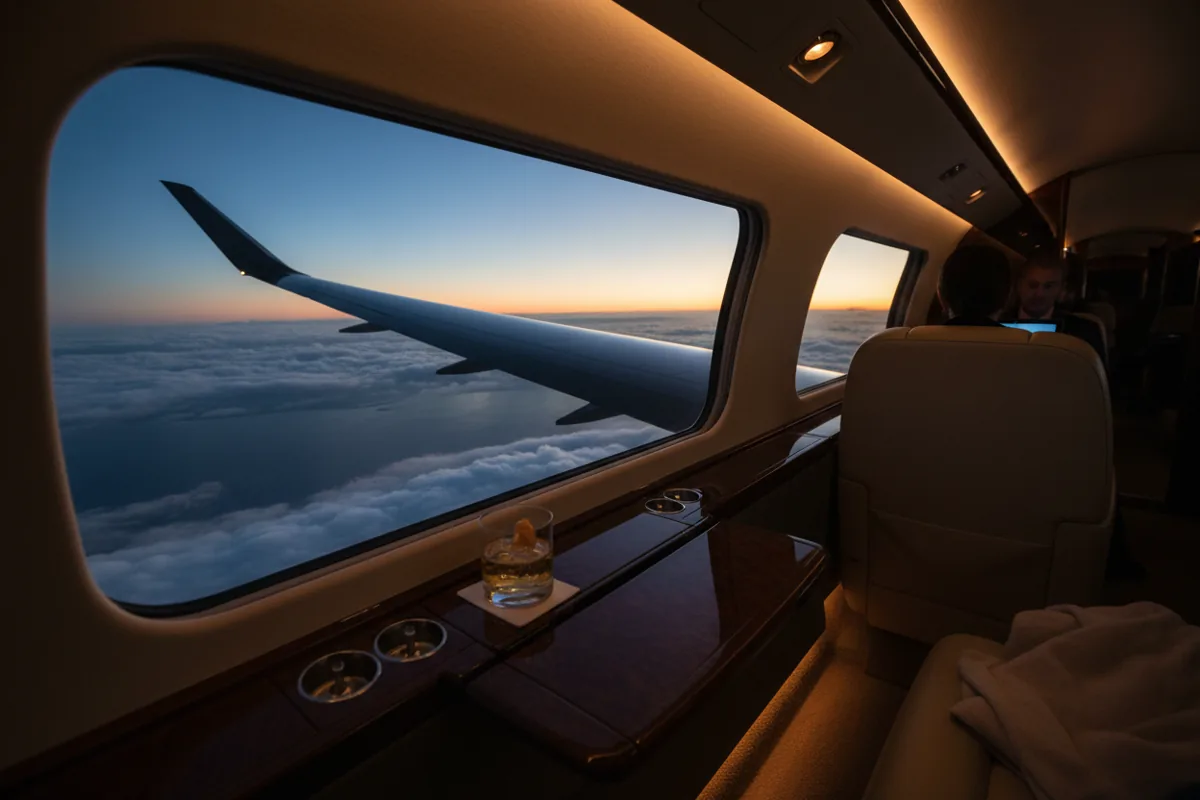
1. Privacy and Exclusivity
You can talk, work or rest without other passengers around.
2. Flexibility and Convenience
You set the departure time, and you can plan a same-day round trip or several stops in one day.
3. Time Saving
You skip the main terminal and the wait at the gate. For many charters, there is no TSA passenger checkpoint, though some charter operations are screened (see the FAQ below).
4. Enhanced Comfort
The cabin is laid out for a small group. On BLADE charters, the F/X team can staff, prep and cater your aircraft.
Costs and Considerations of Private Jet Travel
1. Initial Investment
Buying an aircraft is a major investment, and it only makes sense for people who fly a lot. Fractional shares and memberships spread the cost. Charter avoids it altogether, since you pay only for the trips you take.
2. Operating Costs
An owner pays for crew, maintenance, fuel, insurance and hangar space. A charter price already includes the operating cost of the flight.
3. Availability and Access
Aircraft and crews are limited at peak times, so book early for holidays and busy weekends.
4. Safety and Security
In the United States, charter flights for hire are operated under FAA Part 135. Part 135 sets minimum experience for the pilot in command, 500 hours as a pilot for flights under visual flight rules and 1,200 hours under instrument flight rules, and limits crew flight time and duty. Independent auditors also rate operators. ARGUS ratings include Gold Certified, Platinum and Platinum Elite, and Wyvern's include Wingman and Wingman PRO. BLADE has a dedicated safety team that vets its operator partners, with quarterly audits.
Types of Private Jets
Jets are grouped by size. The right one depends on how many people are flying, how much luggage you have and how far you are going. Typical examples, with manufacturer figures:
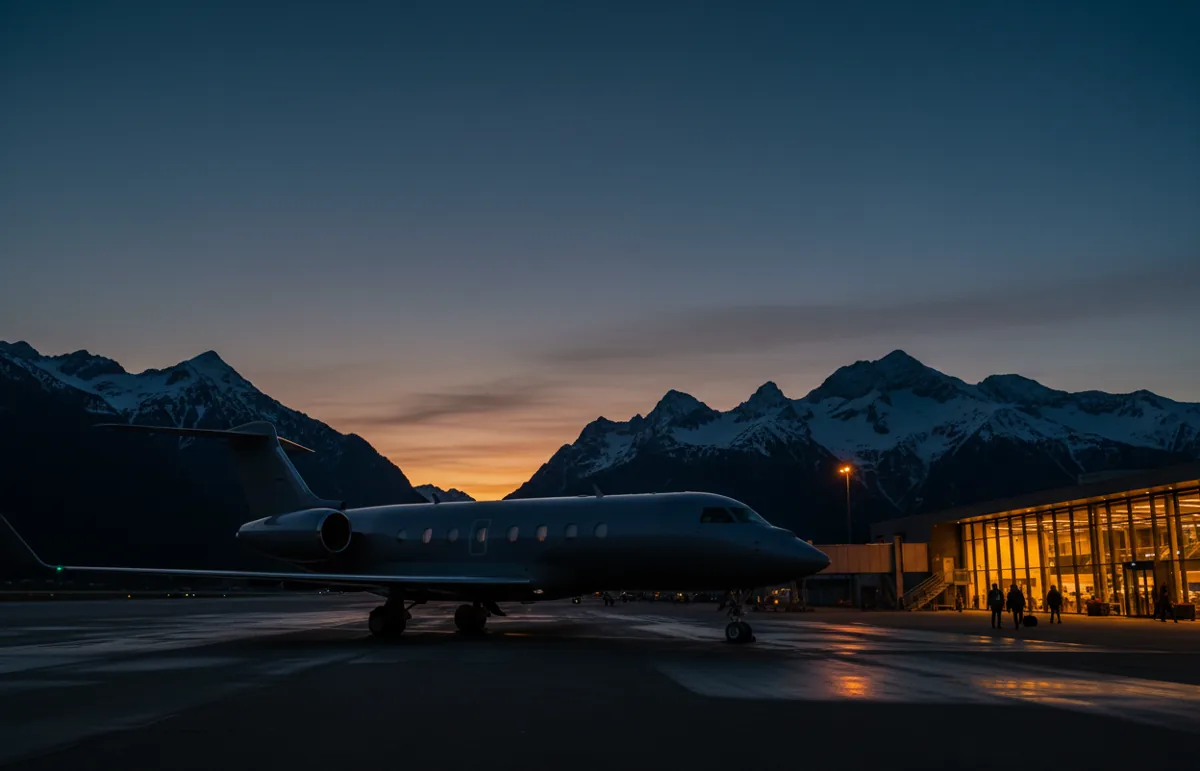
1. Light Jets
Light jets suit short trips with a small group. The Cessna Citation CJ3 Gen3 has a range of about 2,040 nautical miles. The Embraer Phenom 300EV is certified for up to 10 passengers, with a range of about 2,055 nautical miles.
2. Mid-Size Jets
Mid-size jets add cabin space and range. The Cessna Citation Latitude is certified for up to 9 passengers and has a range of about 2,700 nautical miles.
3. Super Mid-Size Jets
Super mid-size jets handle coast-to-coast trips with room to spare. The Bombardier Challenger 3500 carries up to 10 passengers and has a range of about 3,400 nautical miles.
4. Large Cabin Jets
Large cabin jets are built for long-range and international flights. The Bombardier Global 7500 has a range of about 7,700 nautical miles and a cabin that can sleep eight passengers.
How to Book a Private Jet
Contacting a Private Jet Charter Company
Start with your route, date, number of passengers and luggage. With BLADE, you can book in the BLADE app or at blade.com, or call Flier Relations at 1-844-359-2523.
Understanding Flight Options and Pricing
BLADE's private jet charter cost estimator shows aircraft options and an estimated price based on your airports, the distance and the date.
Making the Reservation
Booking a BLADE charter takes a few steps: select your origin and destination, the number of fliers, the date and time, and your aircraft. A dedicated flier-relations advocate then manages and monitors your trip, available 24/7.
How much does it cost to fly private and what impacts the price
The price depends mainly on the flight time and distance, the size and type of aircraft, the date and fuel prices. To bring the cost per person down, fill the seats, or crowdsource the flight: with BLADE, you schedule the flight and BLADE sells your unused seats in the BLADE app, crediting sold seats back to you as BLADE credits.
Considerations for a Successful Private Jet Travel Experience

1. Know the Baggage Policy
Each aircraft has its own luggage limits, by weight and by size. Tell your operator about large items, such as golf bags or skis, before the day of travel.
2. Arrive Early
Give yourself time to reach the private terminal, unload your bags and meet the crew without rushing.
3. Follow Security Protocols
Bring a valid photo ID, and a passport for international trips. Your operator will tell you if your flight is screened.
4. Communicate Special Needs or Requests
Share catering requests, accessibility needs and travel with pets when you book, so they can be arranged before departure.
Frequently Asked Questions
1. How do I book a private jet charter?
Choose your route, date and number of passengers, compare aircraft options and confirm. With BLADE, you can book in the app, at blade.com or by phone.
2. What are the advantages of flying in a private jet?
Privacy, a schedule you control, access to smaller airports and private terminals, and a cabin shared only with your group.
3. What are the different business models in the private jet travel industry?
- On-demand charter: you book a whole aircraft for one trip.
- Shared or crowdsourced flights: you share a private flight, and its cost, with other passengers.
- Memberships and jet cards: you prepay for access or hours.
- Fractional ownership: you buy a share of an aircraft.
- Full ownership: you own and manage your own aircraft.
4. Can I avoid TSA security procedures when flying on a private jet?
Often, yes. Private, non-commercial flights under Part 91 have no TSA passenger-screening requirement, and for many charters the operator's security program does not include passenger screening. Private charters that board from an airport's secure area, or that use very large aircraft, are screened. Check with your operator.
5. How can private jets avoid weather delays?
They cannot always. Weather affects private flights too, and the operator decides whether it is safe to fly. A private flight can be more flexible: you may be able to move your departure time or choose another airport nearby. Read the weather and cancellation terms when you book.
6. What is the difference between empty leg flights and traditional private jet charters?
An empty leg is a flight an aircraft has to make without passengers, for example to return to base or reach its next trip. Operators often sell these legs at a lower price, but the route and time are set by the original trip. A traditional charter is planned around your own itinerary.