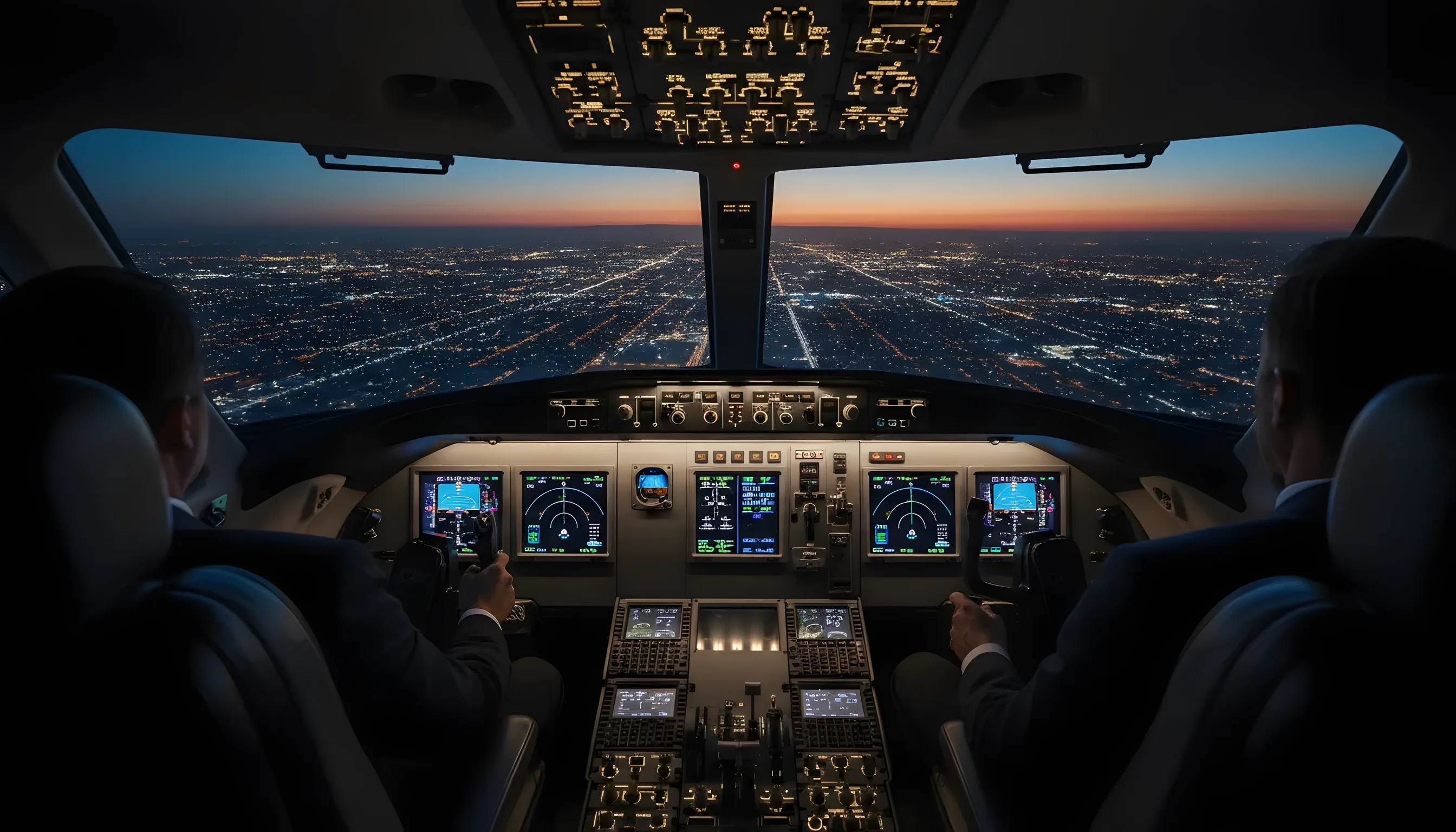

Overview of Visual Flight Rules (VFR)
An Introduction to Visual Flight Rules (VFR):
VFR is a set of regulations established by aviation authorities that permit pilots to operate an aircraft by observing the terrain. It is a pilot’s responsibility to avoid other aircraft while in-flight using visual cues such as landmarks, mountains, and shorelines. This set of rules is designed to ensure that pilots who fly under VFR in clear sky and in good weather conditions are aware of the terrain they are flying over.
When operating an aircraft using VFR, pilots must follow specific altitude limitations and visibility requirements, which depend on the type of airspace. Pilots must also remain alert for other aircraft or obstacles that may be present. In addition to this, pilots must be familiar with the airspace and weather conditions before flight as part of the regulations set by the aviation authority.
One unique detail of VFR is the use of checkpoints to assist with navigation. These checkpoints are typically landmarks along a flight route or visual cues on the ground that help pilots ensure they are on track. Pilots must also be aware of any Temporary Flight Restrictions (TFR) that may be in place and ensure they avoid these areas.
A True History related to VFR is the establishment of VFR regulations by the International Civil Aviation Organization (ICAO) in 1946. The ICAO is a specialized agency of the United Nations that was created following World War II to ensure the safe and orderly development of international civil aviation. Since its establishment, the ICAO has continued to develop and adapt regulations concerning VFR to maintain aviation safety worldwide.
Basic Requirements For VFR
VFR has two basic requirements: weather conditions and visibility. Each is covered below.
Weather Conditions For VFR
When operating under Visual Flight Rules (VFR), pilots must ensure that weather conditions are conducive to maintaining visual contact with the ground and other aircraft. This requires that the flight visibility and distance from clouds meet the minimums for the airspace (for example, three statute miles in most controlled airspace, day or night). Despite this, it’s important to note that even when these basic requirements are met, adverse weather conditions can still occur, making it difficult to maintain constant visual contact.
In addition to meeting the requirements for cloud ceiling and visibility, VFR pilots should also carefully consider other factors such as temperature inversions, which may cause turbulence or make visual navigation more challenging. It’s also advisable for pilots to have access to up-to-date weather information and plan their flight paths accordingly.
Ultimately, understanding the unique climate and terrain characteristics of each region where pilots intend to operate will help ensure they remain vigilant while adhering to VFR guidelines. Taking these precautions will enable them to avoid challenging weather conditions that could interfere with their safety while in the air.
Visibility requirements for VFR
Visual Flight Rules (VFR) require specific visibility conditions for safe flying. Pilots must ensure that they maintain a certain level of flight visibility and distance from clouds to fly safely under VFR. These requirements help pilots maintain accurate situational awareness and avoid collisions with other aircraft or obstacles.

To meet VFR visibility requirements, pilots must maintain the minimum flight visibility and distance from clouds required for the airspace they are in (for example, three statute miles and 500 feet below, 1,000 feet above and 2,000 feet horizontally from clouds in Class D airspace).
Unique details to note include exceptions to these minimum requirements, such as when special use airspace necessitates different visibility rules or when conducting aerobatic flights. Additionally, different countries may have varying requirements for VFR flying.
According to the Federal Aviation Administration (FAA), there were over 222,000 active pilots in the United States as of 2019.
Good navigation skills are essential under VFR.
Navigation and communication guidelines for VFR
VFR navigation and communication come down to two things: the required equipment and the flight plan and clearance requirements.

Required equipment for VFR
VFR Equipment Requirements
To undertake a Visual Flight Rules (VFR) flight, it is crucial for pilots to employ an array of equipment, both for safety and regulatory adherence. The required equipment for VFR includes:
- A functional altimeter that enables pilots to identify their altitude above sea level accurately.
- An airspeed indicator that measures the velocity at which the aircraft is flying relative to the surrounding air.
- A magnetic direction indicator or compass that allows pilots to determine the heading necessary to follow route guidance effectively.
- A two-way radio, which is required when operating at towered airports and in certain controlled airspace, for communicating with air traffic control.
Additional critical instruments may vary depending on the specific type of airplane and government regulations.
Pilots who need corrective lenses must wear them.
Check the required equipment before every flight, and file a VFR flight plan.
VFR Flight Plan and Clearance Requirements
For VFR flights, there are specific flight plan and clearance requirements that need to be adhered to for safe and efficient navigation. Filing a VFR flight plan is strongly recommended but not normally required within the continental U.S., and pilots must obtain any required ATC clearance before takeoff. They must also communicate with Air Traffic Control (ATC) when operating in certain airspace or during weather situations that require additional information.
When filing a VFR flight plan, pilots must include their intended route, estimated time of arrival, destination, and number of passengers on board. ATC clearance (Class B) or two-way radio contact (Class C and D) is required before entering those classes of controlled airspace to ensure separation from other aircraft and terrain obstacles. Pilots should also listen carefully to ATC instructions in order to avoid miscommunications or confusion.
One unique requirement for VFR flights is that they may be subject to visual separation procedures, which involve maintaining a constant visual reference with another aircraft while keeping sufficient distance between them. This helps ensure safety during periods of heavy traffic or inclement weather conditions.
A clear example of how navigational guidelines for VFR can be essential relates back to the tragic 1999 collision between two private planes over Long Island. One pilot was flying under Visual Flight Rules (VFR) while the other was on an Instrument Flight Rules (IFR) condition through New York City airspace when they collided mid-air killing all aboard both planes. Experts note that gaps in communication can lead to collisions like this one.
Good visibility does not remove every risk under VFR.
Advantages and limitations of VFR
VFR has clear advantages and real limitations, covered below.
Advantages of VFR
VFR Benefits Explained
VFR or Visual Flight Rules offers several benefits for pilots.
Flexibility: VFR enables pilots to fly where and when they choose, without relying on extensive ground infrastructure or complex airspace regulations.
Cost-Effective: As VFR doesn’t require as much equipment as IFR (Instrument Flight Rules), it tends to be more cost-effective, especially for pilots flying small airplanes for leisure or hobby purposes.
Better Scenery Views: Pilots who fly with VFR can enjoy the beauty of aerial views and natural landscapes without relying on a strict flight path or relying heavily on electronic navigational aids.
Improved Pilot Skills: Flying with VFR requires a higher level of pilot skill in terms of situational awareness and spatial orientation, which ultimately translates into better overall flying abilities.
Control Over Decision-Making: Pilots flying with VFR have more control over decision-making regarding routing, altitude, and timing, allowing them to make adjustments during flight if necessary.
Moreover, VFR is mandatory for pilots who are not instrument-rated. An instrument rating allows you to fly in IFR conditions. In comparison, those who only hold VFR ratings must avoid poor weather conditions and can only fly when visibility is sufficient.
For new pilots, VFR is a lower-cost entry point into aviation.
VFR depends on the weather.
Limitations of VFR
Visual Flight Rules (VFR) has several disadvantages that pilots must take into account.
The reliance on visibility creates risk in poor weather or at night.
Without guidance systems, pilots need visual cues to navigate accurately, which raises the risk of navigation errors and collisions. Additionally, limitations in airspace access due to VFR restrictions can cause a significant increase in flight time and fuel consumption.
Furthermore, VFR regulations may not align with flight plans or scheduling needs, resulting in last minute changes to flight paths which can be costly and inconvenient for pilots and passengers.
It is crucial that pilots receive adequate training to understand the challenges of flying under VFR conditions. Proper planning and decision-making skills become increasingly important to mitigate limitations presented in VFR operations.
According to FAA statistics, there were 1,594 general aviation accidents reported involving flights operating under VFR from 2010-2019.
Why VFR is essential for helicopter operations
Helicopters commonly operate under Visual Flight Rules because they often fly at lower altitudes and within sight of the ground. This allows pilots to navigate using landmarks and maintain visual separation from obstacles and other aircraft. VFR enhances safety in helicopter operations by providing flexibility for quick route adjustments in response to weather or traffic changes. This flexibility is crucial for urban aerial mobility services like those connecting major airports and metropolitan hubs.
How weather impacts VFR helicopter flights
Weather plays a pivotal role in determining whether a helicopter can operate under VFR. Low clouds, haze, or reduced visibility may restrict flights, requiring pilots to delay or reroute journeys to maintain safety. Professional helicopter operators monitor real-time weather data before departure. By prioritizing clear skies and safe visibility, they aim to give every passenger a smooth and comfortable flight.
The future of VFR and urban air mobility
As the aviation industry moves toward electric vertical take-off and landing (eVTOL) aircraft, VFR will remain integral in ensuring safety for low-altitude, city-based flights. Companies like BLADE are already preparing for this transition, building infrastructure that aligns with evolving VFR standards.
FAQs about What Is Visusal Flight Rules (Vfr)
What is Visual Flight Rules (VFR)?
Visual Flight Rules (VFR) is a set of rules governing the conditions under which a pilot may operate an aircraft in visual meteorological conditions (VMC).
When can a pilot use VFR?
A pilot can use VFR when the weather is good enough that they can see where they are going and avoid any obstacles.
What are the requirements for VFR flight?
The requirements for VFR flight include a private pilot’s license, the ability to see and avoid other aircraft and obstacles, and a clear understanding of all rules and regulations.
What are the limitations of VFR?
The main limitation of VFR is that it cannot be used in low visibility conditions, such as fog or heavy rain.
What is the purpose of VFR charts?
VFR charts are used to provide pilots with important information about the airports and airspace they will be flying through, including the locations of radio beacons, landmarks, and restricted areas.
How are clouds classified under VFR?
Clouds are classified under VFR by their altitude and shape. They are divided into four categories: low, middle, high, and towering.