
Choosing between Bolt vs Uber for a JFK to Manhattan ride can mean a difference of $15–$30 on a single trip. For frequent travelers, that gap adds up fast. Both rideshare services operate at John F. Kennedy International Airport, but they differ in pricing structure, surge behavior, wait times, and pick-up logistics. This comparison breaks down real fare data, driver availability by time of day, and the practical realities of getting a car from JFK's designated rideshare zones. Whether you want to save money or get a reliable pickup after a long international flight, the right choice depends on details most travelers only notice at the curb.
How Much Does a Ride from JFK to Manhattan Cost with Bolt, Uber, and Lyft?
Knowing the fare breakdown before you book saves real money on the JFK-to-Manhattan run. Prices below are based on in-app fare checks and user-reported ranges collected in June 2025.

| Service | Estimated Fare (JFK → Midtown) | Surge Pricing | Flat Rate Option |
|---|---|---|---|
| Bolt | $38–$55 | Yes | No |
| UberX | $45–$70 | Yes | Yes |
| Uber Black | $85–$130 | Yes | Yes |
| Lyft | $44–$68 | Yes | No |
Bolt consistently prices 15–25% below UberX on this route during standard hours. For a deeper look at how Uber's pricing structure breaks down by time and vehicle class, see Uber JFK to Manhattan: Cost, Time & Best Options (2025).
What drives the final cost on every app:
- The New York State airport surcharge adds $2.50 to all rideshare trips originating at JFK
- Tolls on the Queens–Midtown Tunnel or the Triborough Bridge add $7–$10 depending on the route the driver takes
- Surge pricing activates during peak morning and evening hours, typically 7–9 a.m. and 5–8 p.m. According to Gridwise's 2025 analysis, 34% of Manhattan-bound rides from JFK experience surge pricing, with multipliers averaging 1.5–2.5x during peak periods — specifically Friday 4–8 PM, Sunday 5–9 PM, and Monday–Thursday early mornings. JFK to Manhattan Transportation: Complete 2026 Guide
- Uber's flat-rate option locks in a price before the trip starts, eliminating surge exposure — Bolt and Lyft do not offer this
Uber Black is the only tier that guarantees a premium vehicle with no surge multiplier on the flat-rate booking. Bolt's lower base fare makes it the budget pick, but the absence of a flat rate means a surge event can erase that savings advantage entirely.
Is Bolt or Uber More Reliable at JFK Airport?
When you compare Bolt vs Uber for JFK to Manhattan, reliability matters as much as price, especially on a tight schedule.
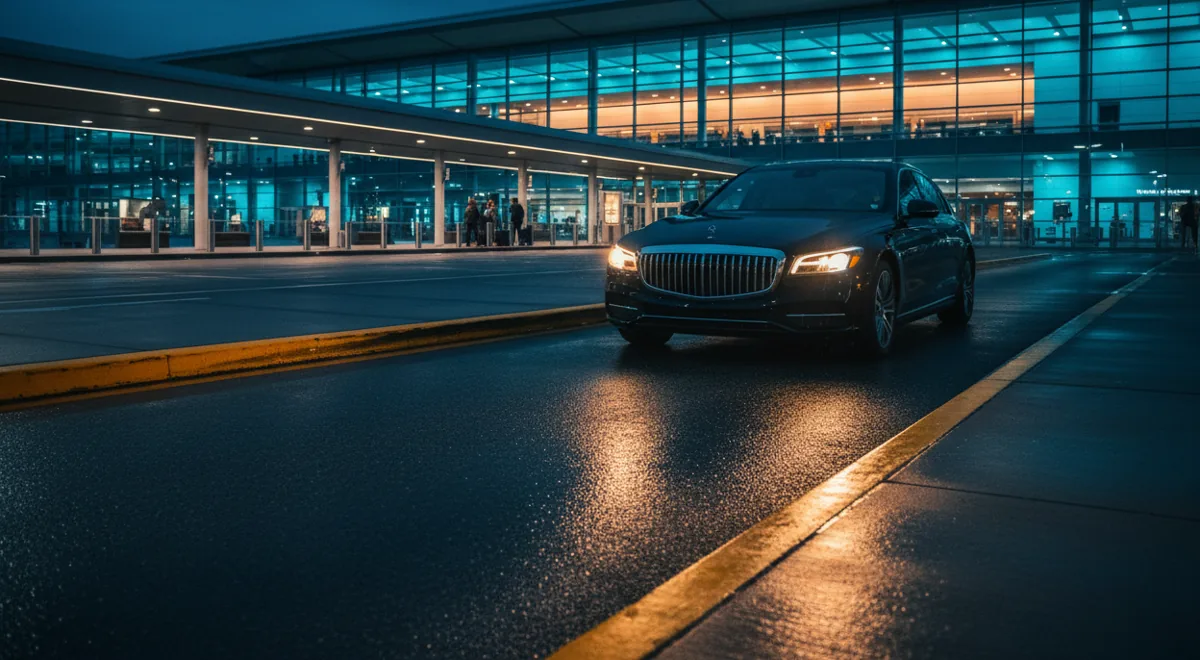
JFK's scale makes rideshare reliability a real challenge. The airport handled 62.5 million passengers in 2025, a 12% year-over-year increase, which strains driver supply on every rideshare platform.
Uber holds a clear advantage at JFK due to its significantly larger driver pool in New York City. During standard hours, Uber wait times at JFK average 4–8 minutes. Bolt's smaller NYC fleet means wait times frequently stretch to 12–20 minutes, and that gap widens during peak periods like weekday mornings, holiday travel surges, or severe weather. A late-night arrival or a snowstorm can push Bolt waits beyond 25 minutes.
Driver cancellation rates tell a similar story. Uber's high driver density means cancellations are rare and replacements arrive quickly. Bolt users report higher cancellation frequency in NYC, likely because fewer drivers are active in the area at any given time.
From an app experience standpoint, both platforms are straightforward to navigate. Uber's app provides more granular real-time tracking and clearer surge pricing alerts, which is especially useful when managing connections at JFK. Bolt's app is clean but offers less predictive detail on ETAs during high-demand periods.
For travelers who want a broader look at ground transport options beyond these two rideshare services, best way from JFK to Manhattan: Uber vs Taxi vs Subway 2026 covers the full picture across every major mode.
Uber is the more dependable choice at JFK for time-sensitive trips.
Which App Is Better for JFK to Manhattan: Bolt, Uber, or Lyft?
The best app for your JFK to Manhattan ride depends on what matters most: cost, speed or predictability.
Choose Uber when reliability is the priority. Driver availability at JFK is consistently strong, surge pricing is transparent before booking, and the pick-up process at the designated rideshare garage is well-established. Expect to pay more, but the trade-off is a predictable, low-friction experience. That said, a 2025 SAP Concur study found 67% of companies with 500+ employees prohibit Uber for executive airport transfers due to unpredictable surge pricing, billing complications and duty-of-care concerns. Business travelers should check their company policy before booking.
Choose Bolt when the fare savings outweigh the inconvenience of longer wait times. Bolt routinely undercuts Uber by 20–30%, making it a real budget option, provided enough Bolt drivers are active at JFK when you land.
Choose Lyft as a middle-ground alternative. Pricing typically lands between Bolt and Uber, availability is solid, and the app experience is comparable to Uber for most travelers.
For a completely different category of best alternatives to a taxi from JFK to Manhattan, consider BLADE. BLADE's helicopter transfers cover the JFK-to-Manhattan route in about 5 minutes, an option for time-sensitive travelers who value the time saved more than the premium fare.
What to Know Before Booking a Rideshare from JFK to Manhattan
All rideshare pickups at JFK — whether Uber, Bolt, or Lyft — happen at the designated Parking Garage pick-up zone, not at the terminal curb. After landing, follow signs to the AirTrain, ride it to the Federal Circle station, and walk to the garage. Factor in the $8.75 AirTrain fare if you're calculating your true door-to-door cost against a subway and rideshare combo from JFK to Manhattan.

Surge pricing hits hardest between 8–10 AM and 5–8 PM on weekdays, and immediately after large flight clusters land. In worst-case surge conditions, rideshare fares on the JFK-to-Manhattan route can exceed $150, which wipes out any savings over flat-rate options like yellow taxis or pre-booked car services. Booking 10–15 minutes after the initial rush clears cuts fares noticeably.
Shared-ride options like Uber Pool are technically available but unreliable at JFK. The wait can erase any savings.
Three practical rules apply before you book:
- Open both the Uber and Bolt apps simultaneously to compare real-time quotes before committing to either.
- Set your pickup location to the correct garage level to avoid driver confusion and wasted time.
- Avoid booking during the first 20 minutes after a major international flight lands — surge pricing peaks in that window.
Final Verdict: Bolt vs Uber From JFK to Manhattan
Choosing between Bolt and Uber for a JFK to Manhattan ride comes down to two priorities: cost and consistency. Bolt delivers lower base fares — typically $10 to $20 cheaper than comparable Uber rides — making it the stronger choice for budget-conscious travelers. Uber wins on reliability, offering more drivers, real-time tracking, and a smoother pick-up experience at JFK's Linden Place rideshare lot.
For most travelers arriving at JFK, the smartest approach is to open both apps simultaneously and compare surge pricing before committing. During peak hours or bad weather, that comparison takes 60 seconds and can save $25 or more.
If neither rideshare service fits your schedule or budget, exploring JFK to Manhattan taxi alternatives — including flat-rate options — gives you a fuller picture of what New York City ground transportation actually offers.