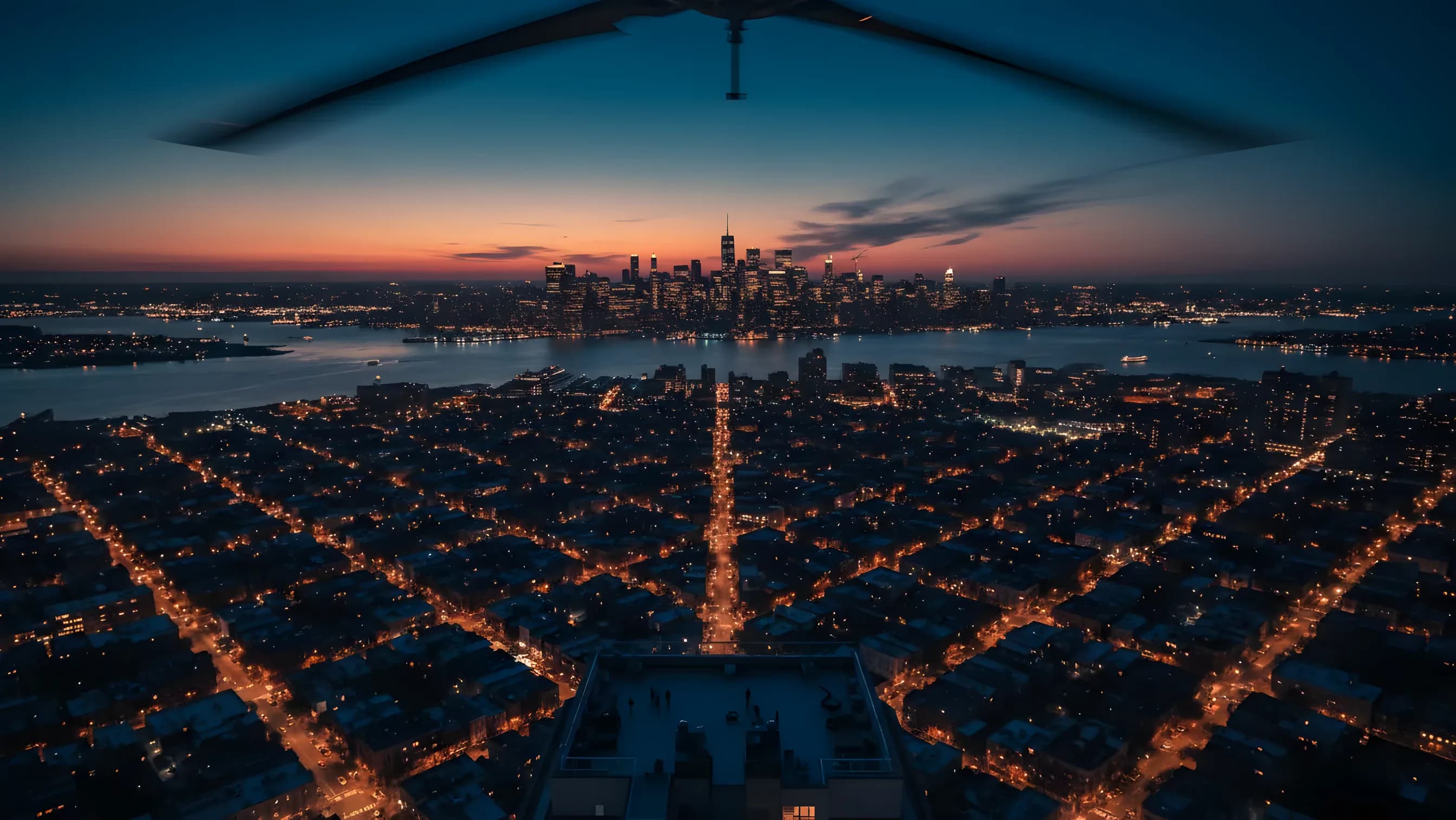
This guide covers the historic neighborhoods to explore between Newark and Manhattan. It goes beyond the usual tourist stops to the places where that history is still visible. Each section covers the architecture, parks and landmarks worth your time.
Key Takeaways
-
Forest Hill in Newark is a historical neighborhood known for its stunning mix of architectural styles like Beaux-Arts and Victorian, with the beautiful Branch Brook Park at its heart and significant landmarks echoing its rich heritage.
-
Ironbound is a vibrant, culturally diverse area in Newark renowned for its exceptional Portuguese, Spanish, and Brazilian cuisine, with Ferry Street and Riverfront Park as key attractions for food and recreational activities.
-
Downtown Newark combines historical landmarks with modern amenities, including cultural institutions such as the New Jersey Performing Arts Center and the Newark Museum.
Forest Hill: Newark's Architectural Gem
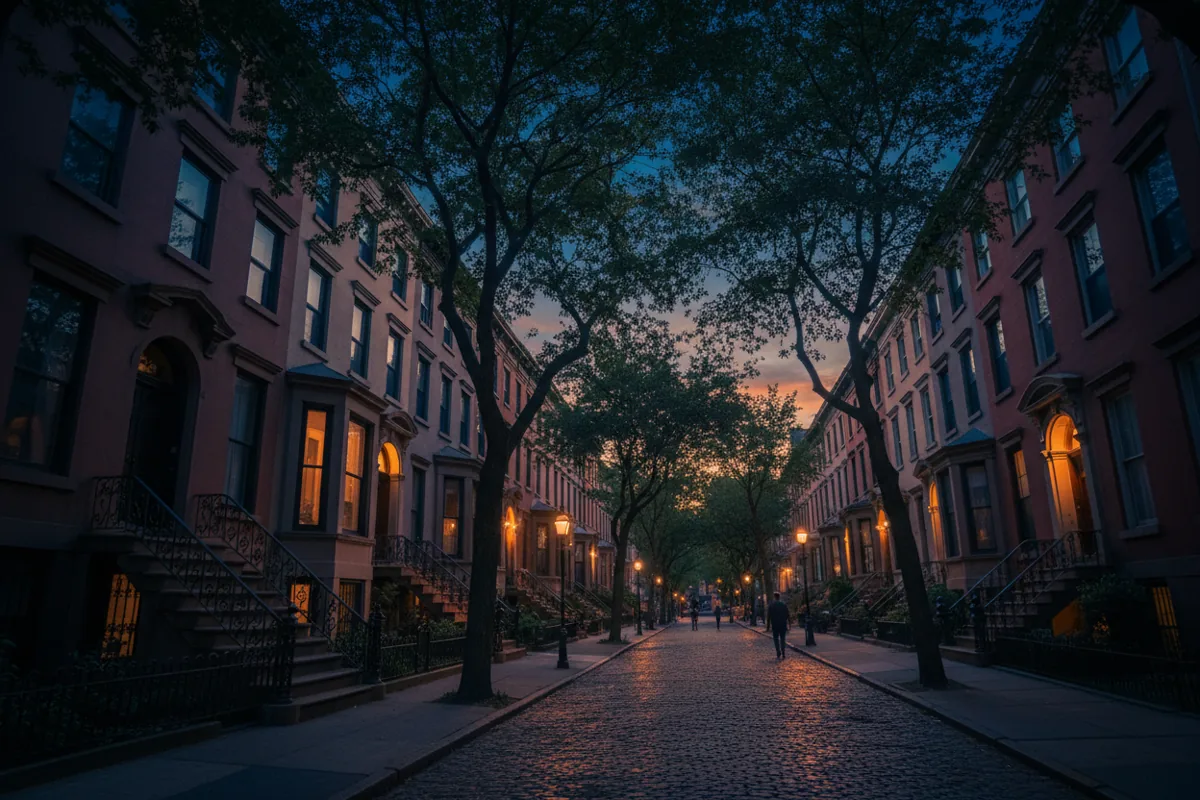
Nestled in Newark’s North Ward, Forest Hill is a charming neighborhood known for its beautiful homes and tree-lined streets. The architectural elegance of this walkable neighborhood is attributed to influential families like the Clarks, Hellers, and Ballantines, who developed it between 1880 and 1925. Their efforts transformed the area into a mansion district, showcasing some of the finest homes in New Jersey.
The diverse architectural styles in Forest Hill include:
-
Beaux-Arts
-
Victorian
-
Colonial Revival
-
Gothic Revival
-
Spanish Revival
These styles, crafted by various architects, paint a stunning landscape of Colonial, Tudor, and Victorian homes that define the region’s architecture. The mix makes Forest Hill a good neighborhood to explore on foot.
Branch Brook Park
Branch Brook Park, established in 1895, forms the heart of Forest Hill and stands as a green oasis. This park is famous for the annual Cherry Blossom Festival, attracting visitors far and wide to witness the beautiful blooming scenery of cherry blossom trees. But the park offers more than just cherry blossoms. It boasts a variety of recreational activities, from walking and cycling paths to tennis courts and a lively roller skating rink.
Accessibility is a key feature of Branch Brook Park. It’s open from dawn to 10 p.m. daily, and can be conveniently reached by bus or the Newark Light Rail. It is an easy addition to any visit to Forest Hill.
Historic Landmarks
Beyond its beautiful homes and green parks, Forest Hill also boasts some remarkable historic landmarks, including historic buildings. The old Tiffany factory and the Ballantine Gate both stand as testaments to the area’s rich history and heritage.
Adding to Forest Hill’s charm are the stunning mansions once owned by industrial tycoons like John D. Rockefeller. These landmarks, coupled with the diverse architectural styles, make Forest Hill not just a historic neighborhood, but also a cultural center in Newark, offering a variety of events and activities for residents and visitors to enjoy.
Ironbound: Newark's Cultural Melting Pot
Heading east from Forest Hill takes us to Ironbound, a vibrant neighborhood that has blossomed into a multicultural melting pot. Ironbound is celebrated for its exceptional Portuguese, Spanish, and Brazilian cuisine, offering a rich tapestry of flavors that reflect its multicultural heritage.
Ironbound’s identity as a diverse neighborhood dates back to the 1830s, with German immigrants laying the foundation for the vibrant, diverse cultural landscape of the neighborhood. Today, Ironbound is home to iconic landmarks such as Krug’s Tavern. Places like this give the neighborhood its character.
Ferry Street
Ferry Street serves as one of the main arteries of Ironbound. Originally chartered in 1765 as Old Ferry Road, this street has a rich history. Today, it is a bustling street filled with a variety of restaurants and shops. From Spanish Tavern, Forno’s of Spain Restaurant, to Casa Vasca, Ferry Street offers a rich array of Portuguese, Spanish, and Brazilian cuisine that is sure to satisfy your palate.
Besides its culinary offerings, Ferry Street is also a vibrant hub of unique cultural experiences. Traditional music, dance, and the annual Portugal Day Festival, a celebration of Portuguese cuisine, culture, and music, all add to the rich tapestry of experiences that Ferry Street has to offer.
Riverfront Park
Riverfront Park, a green space developed on the historic 11-acre Riverbank Park site, stands as another notable feature of Ironbound. The park offers a baseball field, two playgrounds, and a signature Horizon Wellness Trail. It is also the venue for a variety of exciting events and festivals, including art shows, fitness classes, chess, kayaking, and notable events such as the 4th of July Thank You America Festival and the Annual Riverfront Hip-Hop Festival.
Riverfront Park works for sports as well as cultural events and festivals.
Downtown Newark: A Blend of History and Modernity
Next is Downtown Newark, a busy commercial and entertainment hub that mixes history and modern development. The area is filled with amazing historical landmarks such as:
-
Prudential Center
-
Ironbound
-
St. Lucy’s Church
-
Newark Penn Station
-
Mount Pleasant Cemetery
-
Greater Newark Conservancy
However, Downtown Newark isn’t just about preserving the past. It also has modern amenities, including luxury apartments and rentals with features like bowling alleys and art galleries. Additionally, the area boasts unique attractions such as the New Jersey Performing Arts Center and The Newark Museum of Art.
New Jersey Performing Arts Center
The New Jersey Performing Arts Center (NJPAC) stands as one of Downtown Newark’s unique attractions. Founded in 1986 with a grand plan to create a world-class performing arts center, NJPAC has engaged more than 13.3 million people since opening in 1997, making it a vibrant and beloved cultural hub.
The center, designed by skilled architects Barton Myers and Barton Myers Associates, offers an array of performances, from music to theater and dance. NJPAC has hosted performances and events such as ‘A Relentless Pursuit of Justice: Igniting Civil Rights Conversations in the Classroom’ through the film Till, ‘New Jersey Symphony: The American Dream’, TD James Moody Jazz Festival, and various shows available for streaming.
Newark Museum
The Newark Museum is another must-visit attraction in Downtown Newark. Founded by visionary John Cotton Dana in 1909, the museum has assembled important art collections, exhibited natural science specimens, and designed inspiring educational programs. The museum’s architecture features period rooms on the ground floor, decorative arts on the second floor, and beautifully restored ethereal plasterwork.
Visitors to the museum can discover a range of exciting and interesting exhibits, including:
-
The Ballantine House
-
Adama Delphine Fawundu: In the Spirit of Àṣẹ
-
Seeing America: 18th & 19th Century
-
Animal Kingdom
-
Seeing America: 20th & 21st Centuries
Jersey City Heights: Charming Views and Historic Brownstones
Our journey from Newark takes us to Jersey City Heights. This neighborhood is known for its:
-
Charming views
-
Historic brownstones
-
Fascinating history, with its incorporation as Hudson City in 1855 and subsequent merger with Jersey City in 1870
-
Majestic Victorian and Edwardian homes
-
Strong sense of community
-
Vibrant local scene along its central thoroughfare, Central Avenue.
The brownstones in Jersey City Heights showcase a delightful array of architectural styles, including the noteworthy Second Empire style, adding to the area’s rich historic charm. In Jersey City Heights, Central Avenue and Palisade Avenue offer breathtaking views of the Manhattan skyline and the Hudson River, with other spots such as Liberty State Park and Exchange Waterfront also providing scenic vistas. The views alone are worth the trip.
Riverview-Fisk Park
Riverview-Fisk Park is a historic park that has endured for over a century. The park features:
-
Generously given land by Aaron Ogden
-
Situated on Palisade Avenue
-
Thoughtfully designed by landscape artists John T. Withers and Addison T. Hastings
-
Breathtaking views of the New York City skyline
The park offers fantastic facilities including two basketball courts and a playground for everyone to enjoy. Riverview-Fisk Park suits both a pickup game and a community event.
Palisade Avenue
Palisade Avenue in Jersey City Heights has a long history as part of the colony of Pavonia, New Netherland. The architecture on the avenue is characterized by a delightful blend of plain and uncomplicated styles with stone construction and the more ornamental Richardsonian Romanesque style.
Palisade Avenue now bustles with an exciting array of popular shops and restaurants such as:
-
Corto
-
Grand Vin
-
Fox and Crow
-
Bread and Salt
-
Dagon
With its lively hot spots, Riverside Fisk Park, and the breathtaking views it offers of Manhattan, Palisade Avenue greatly enhances the allure of Jersey City Heights.
Lincoln Park: Newark's Artistic Hub
Let’s return to Newark and explore Lincoln Park, a hub of artistry. The neighborhood’s status as an artistic hub is driven by the Lincoln Park Coast Cultural District’s commitment to integrate arts and culture into the community and promote economic growth.
Lincoln Park opens up opportunities for art enthusiasts to explore a diverse range of art exhibitions at venues like Kean University Galleries and the Newark Museum. These venues play a central role in the neighborhood’s vibrant art scene. Lincoln Park is also home to several significant historic landmarks, adding a fascinating historical layer to the neighborhood’s artistic character.
Art Exhibitions and Events
The Lincoln Park Coast Cultural District hosts various art exhibitions and events throughout the year. Some of the remarkable artists who have exhibited their work include:
-
Shahidul Alam, a renowned Bangladeshi photographer and activist
-
Jeffrey Osbourne
-
Brittany Allen
-
Lorenzo Pickett
-
Lyle Omolayo of Negro Americanos
One of the exciting art exhibitions that has taken place in the Lincoln Park Coast Cultural District highlighted the life and work of Shahidul Alam.
Additionally, the district organizes annual events like the Lincoln Park Music Festival to celebrate music, arts, and culture, which are essential aspects of Newark’s identity as a ‘City of the Arts’. These efforts contribute to Lincoln Park’s reputation as an artistic hub in Newark.
Military Park
Military Park, a remarkable historical site, lies in the heart of downtown Newark. This green oasis, also known as one of the city’s cherished green spaces, was laid out by Robert Treat as a training ground for soldiers, and its documented presence dates back to 1667, marking its importance in military training and history.
Today, Military Park serves as the vibrant heart of downtown Newark, providing a community space where people can come together to enjoy a variety of local events, including festivals such as the Africa-Newark Festival, and notable cultural celebrations like the Afro Beat Fest Newark. The park also boasts statues and monuments that pay tribute to key military figures, showcasing its rich history as a historic training ground.
Hoboken: Birthplace of Baseball and Sinatra
Our historical journey concludes in Hoboken, a city steeped in history located along the Hudson River. Hoboken is known as the birthplace of baseball, where the first organized baseball game was played in 1846 at the Elysian Fields.
Hoboken also holds a special place in music history as the birthplace of Frank Sinatra. Sinatra’s birthplace in Hoboken played a significant role in shaping his early career, and his birthplace site at 415 Monroe St., marked by a plaque, is of interest to many Sinatra fans.
Historic Waterfront
Hoboken’s historic waterfront is known for its parks and slender ‘finger’ piers, such as Pier A Park, which extends more than 900 feet into the Hudson. The best places to enjoy walking along Hoboken’s waterfront are the popular paths like the Hoboken Waterfront Walkway and the Hudson River Walkway.
The waterfront also boasts some truly significant architectural landmarks, such as the Erie-Lackawanna Terminal, which beautifully adds a historical touch to the Hudson County landscape. The waterfront makes an easy walk with views across the Hudson.
Elysian Fields
Elysian Fields holds a remarkable place in Hoboken’s history as it was a significant recreational parkland on the city’s northern riverfront, hosting the first recorded baseball match played by modern rules on June 19, 1846, marking the birth of baseball. The first recorded game of baseball at Elysian Fields was played between the Knickerbocker Baseball Club and the New York Nine, marking an exciting piece of history.
Today, a small portion of Elysian Fields remains in Hoboken, bordered by Hudson Street, Frank Sinatra Drive, and Castle Point Terrace. After the first baseball game, Elysian Fields has been the venue for a range of remarkable events, making it a fascinating site to visit in Hoboken.
Bottom Line: Historic Neighborhoods to Explore Between Newark and Manhattan
The neighborhoods between Newark and Manhattan offer a wide range of history and culture. From the architectural gems in Forest Hill to the cultural melting pot in Ironbound, from the bustling Downtown Newark to the charming views in Jersey City Heights, and from the artistic hub of Lincoln Park to the historic city of Hoboken, each neighborhood holds unique stories that have shaped their character and charm. Pick one or two and plan a day around them.
Frequently Asked Questions for Historic Neighborhoods to Between Newark and Manhattan
What is the nicest neighborhood in Newark?
The Ironbound District is considered one of the nicest neighborhoods in Newark, with recent growth and development contributing to its appeal. University Heights, Upper Roseville, Forest Hill, and Downtown Newark are also mentioned as great neighborhoods to live in.
Can you see the NYC skyline from Newark?
No, it's generally difficult to see the NYC skyline from Newark due to the limited visibility and flight patterns.
Why are houses so cheap in Newark NJ?
Houses in Newark, NJ are cheap mainly because of the challenges in areas like education, taxes, and crime. These factors contribute to the lower prices in the city.
What makes Forest Hill a unique neighborhood in Newark?
Forest Hill is a unique neighborhood in Newark due to its stunning architecture, tree-lined streets, and a mix of Victorian, Tudor, and Colonial-style homes, developed by influential families between 1880 and 1925.
What cultural experiences does Ironbound offer?
Ironbound offers a diverse cultural experience through its exceptional Portuguese, Spanish, and Brazilian cuisine, as well as hosting various cultural events and iconic landmarks such as Krug's Tavern. You'll have the chance to immerse yourself in a rich multicultural heritage.