
Choosing the wrong airport can add two hours to your trip before you even reach the gate. This NYC airport guide compares JFK, LGA and EWR on transport costs, travel times, airline destinations and terminals. John F. Kennedy International Airport leads for long-haul international flights, LaGuardia suits domestic travelers, and Newark Liberty handles a mix of both. Whether you're planning a corporate trip or a weekend getaway, the right New York City airport depends on where you're flying, where you're staying in Manhattan, and how much ground time you can afford. All three airports fall under Port Authority of New York and New Jersey oversight, yet each operates very differently. The side-by-side breakdown below will help you choose.
Which NYC Airport Should You Fly Into?
Your choice of airport shapes the rest of an NYC trip. New York City is served by three major airports — John F. Kennedy International Airport (JFK), LaGuardia Airport (LGA), and Newark Liberty International Airport (EWR) — and each suits a different type of traveler.
Use this framework to decide:
- Flying international or long-haul? JFK is the dominant hub for international connectivity, with the widest range of global airline destinations.
- Traveling for business to Midtown? LGA sits closest to Manhattan's corporate corridor and works best for domestic corporate travel.
- Coming from New Jersey or Lower Manhattan? EWR cuts ground time significantly for travelers heading to those areas.
The "best" NYC airport is not a fixed answer — it depends entirely on your final destination within the city, your preferred airlines, and how much ground traffic you're willing to absorb. A convenient flight into JFK loses its advantage if the taxi into Midtown takes two hours. To skip the road, BLADE offers helicopter transfers between all three airports and Manhattan. For a deeper breakdown of each hub's layout and services, the airports in NYC guide covers terminal infrastructure, airline assignments, and ground access in full detail.
John F. Kennedy International Airport (JFK)
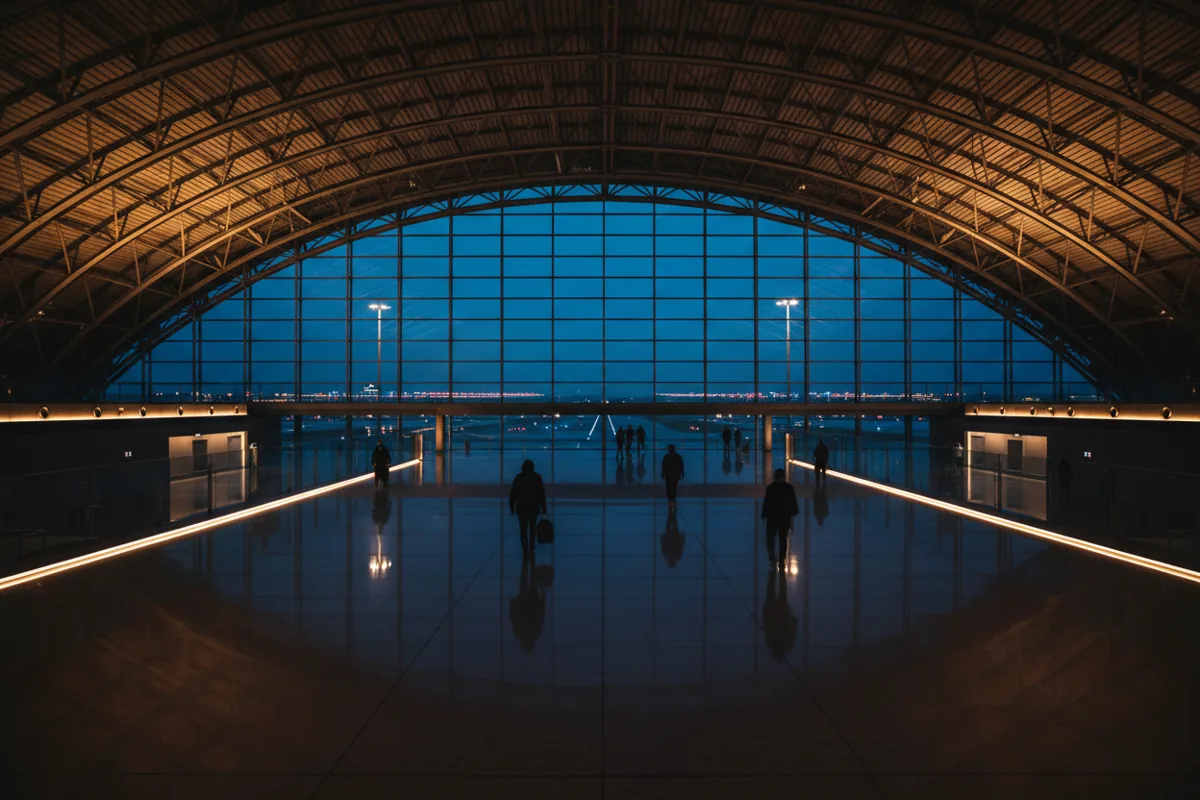
John F. Kennedy International Airport (JFK) is NYC's largest and busiest international hub, situated on Jamaica Bay in Queens. With five terminals spread across a 5,000-acre campus, JFK handles more transatlantic and transpacific routes than any other airport in the New York metro area. According to the New York State Department of Labor, JFK handles more international traffic than any other airport in the nation and ranks among the top six busiest airports overall in the United States. The Air Transportation Industry in New York State Travelers flying long-haul international routes will almost always depart from or arrive at JFK.
Airlines and Destinations
JFK offers the widest international connectivity of any New York area airport. For carrier codes and terminal assignments, see NYC airport codes. Major carriers operating at JFK include:
- American Airlines (Terminal 8) serves transatlantic and domestic routes across six continents
- Delta Air Lines (Terminal 4) operates the largest hub at JFK, with extensive international service to Europe, Asia, and Latin America
- JetBlue (Terminal 5) dominates domestic leisure routes and select Caribbean and transatlantic flights
- Lufthansa, British Airways, Air France, and Emirates anchor JFK's premium international connectivity from Terminals 1, 4, and 8
- Terminal 4 functions as JFK's primary international arrivals facility, processing the majority of overseas flights
Airport Amenities
Terminal quality at JFK varies significantly. Terminal 5 (JetBlue) leads in modern dining and retail, with 30-plus food and beverage options. Terminal 4 offers the most international lounge access, including Delta One, Air France, and multiple Priority Pass lounges. Terminal 8 hosts American's Admirals Club and a solid retail concourse. Terminal 1 serves international carriers with fewer premium amenities but reliable pre-security dining. Travelers connecting between terminals must take the AirTrain, which adds 15–20 minutes to any intra-airport transfer.
Travelers should be aware that JFK is undergoing significant construction through 2030. The new Terminal 6 is under construction, with the first gates of the new terminals scheduled to open in 2026, and the existing Terminal 1 is being replaced by a new terminal. Airline assignments and terminal access may change during the transition. NYC Airports Compared — JFK vs. EWR vs. LGA
Getting to and From JFK
Peak-hour traffic on the Van Wyck Expressway can push taxi and ride-share times well beyond 90 minutes. Plan ground transport conservatively during weekday rush hours (7–9 a.m. and 4–7 p.m.). Security wait times at JFK average 20–35 minutes for standard lanes; TSA PreCheck lanes typically clear in under 10 minutes. Check-in for international flights should begin at least three hours before departure.
| Transport Option | Approx. Time to Midtown Manhattan | Approx. Cost |
|---|---|---|
| AirTrain + Long Island Rail Road (LIRR) | 35–45 min | $14–$16 |
| AirTrain + Subway (E/J/Z) | 60–75 min | ~$11.75 |
| Taxi (yellow cab) | 45–60 min (off-peak) | $70 flat rate + tolls/tip |
| Ride-share (Uber/Lyft) | 45–75 min | $45–$90+ |
| Car service / black car | 45–60 min | $75–$120+ |
For travelers departing from Penn Station, a fast route to JFK is the LIRR CityTicket to Jamaica ($5.25 off-peak) plus the AirTrain ($8.75), totaling approximately $14.00 and taking 30–40 minutes — faster than taking the E subway to the AirTrain connection. NYC Airports Compared — JFK vs. EWR vs. LGA
LaGuardia Airport (LGA)
LaGuardia Airport is the top choice for domestic travelers flying into Midtown or uptown Manhattan.
Airlines and Destinations
Delta Air Lines dominates LGA, operating from Terminal C. American Airlines serves Terminal B. No international commercial flights operate from LGA — all routes are domestic.
Airport Amenities
The $8 billion terminal renovation has made LGA one of the most modern airports in the country. Terminal B and the new Delta Terminal C feature upgraded dining, retail, and lounge facilities that rival larger hub airports.
Getting to and From LGA
No direct rail link connects LGA to Manhattan. Ground transportation options include:
- MTA bus routes Q70-SBS and M60-SBS connect to the subway system for $3 or less (the Q70 is free)
- Taxis run approximately $30–$50 to Midtown, taking 20–30 minutes off-peak
- Ride-share pickups are designated on the arrivals level
Airspace congestion and ground stoppages make LGA one of the most delay-prone airports in the U.S. The FAA consistently ranks it among the top airports for tarmac delays. Travel during early morning departures — before 8 a.m. — to minimize disruption. Avoid afternoon and early evening slots, particularly 4–7 p.m., when traffic volume peaks and ground stoppages cascade across the schedule.
Newark Liberty International Airport (EWR)
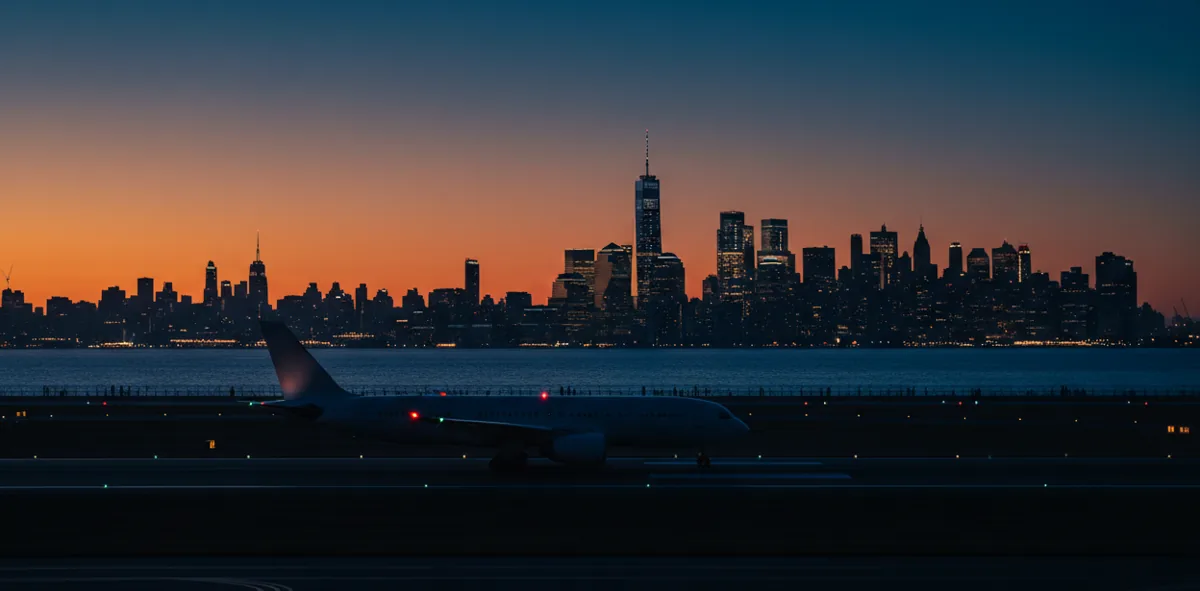
Newark Liberty International Airport serves New Jersey-bound travelers and anyone looking to avoid the congestion typical of JFK. EWR handles fewer passengers per gate, which translates to shorter security and check-in times during peak NYC travel periods.
Airlines and Destinations
United Airlines uses EWR as a primary hub, offering an extensive domestic and international route network. Delta and American also operate scheduled flights from Newark, covering major U.S. cities and transatlantic destinations.
Airport Amenities
Terminal C, United's home base, offers the strongest dining and lounge options at EWR. The AirTrain connects all three terminals and links directly to the NJ Transit rail station on-site.
Getting to and From EWR
NJ Transit trains run from Newark Liberty International Airport to Penn Station in approximately 30 minutes. From Penn Station, the NJ Transit Northeast Corridor or North Jersey Coast Line train to Newark Airport Station costs approximately $17 including the AirTrain transfer — roughly 25 minutes by train plus 8 minutes on the AirTrain, making it one of the most straightforward rail connections among the three New York-area airports. NYC Airports Compared — JFK vs. EWR vs. LGA Taxi fares to Midtown Manhattan typically run $50–$70 or more, making EWR one of the pricier ground transport options among the three New York-area airports.
Which NYC Airport Is Best for Corporate Travel?
For business travelers, the best airport depends on destination and schedule. JFK offers the most international routes and premium lounges. LGA sits closest to Midtown but carries the highest delay risk. EWR provides stronger on-time performance and direct AirTrain access to the airport's NJ Transit rail station. Corporate travelers budgeting ground transport should account for NYC's congestion pricing: driving a passenger car into Manhattan south of 60th Street incurs a $9 toll during peak hours; taxi trips instead pay a smaller per-trip congestion toll of $0.75, shown as a separate line item on the receipt. Rail options via AirTrain and NJ Transit are not subject to this charge. NYC Airports Compared — JFK vs. EWR vs. LGA Corporate travelers on tight schedules use helicopter transfers to bypass ground traffic.

Tips for Navigating NYC Airports
Book early-morning flights when possible — departures before 7 a.m. carry the lowest delay risk at all three airports, before airspace congestion builds over the New York metro corridor.
Enroll in TSA PreCheck or CLEAR. Both programs cut security time significantly, and JFK, LGA, and EWR all support them across major terminals.
Peak travel hours run from 7–9 a.m. and 4–7 p.m. on weekdays. Plan check-in at least 30 minutes earlier than usual during those windows.
Watch the NYC events calendar closely. The Global Citizen Festival, UN General Assembly week, and major sporting events at MetLife Stadium drive unusual spikes in airport traffic across all three airports — ground stoppages and taxi delays increase sharply on those dates. Travelers attending major events may also want to review JFK airport transfer options to plan their routing ahead of high-traffic periods.
The Takeaway: Your NYC Airport Guide to JFK, LGA & EWR
The right New York airport depends on your destination, where you are staying in the city and how much ground time you can spare. John F. Kennedy International Airport is the strongest choice for long-haul and international travel, with the widest range of airline destinations and the most robust infrastructure for global connectivity. LaGuardia serves domestic travelers well when departure timing and traffic conditions are managed carefully. Newark Liberty works well for Manhattan's West Side and for travelers flying United or budget carriers along the East Coast.
Factor in security and check-in times, peak travel hours, and ground stoppages before committing to any airport. Corporate travel demands especially tight planning given airspace congestion across the region. Review airport amenities, confirm your terminal, and build in buffer time. Check current transport times before each trip.