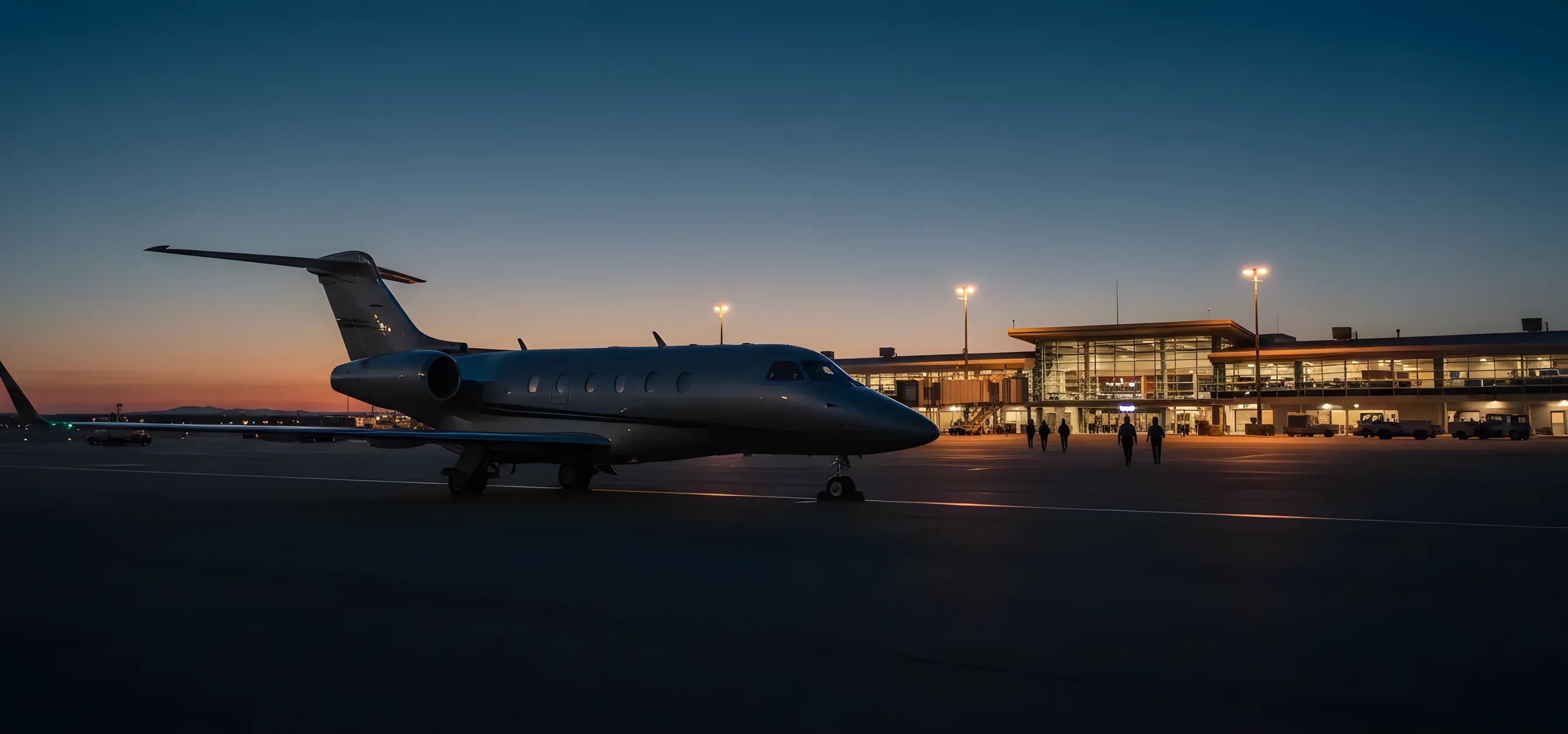
Westchester Airport (HPN) is one of the busiest regional airports in the northeastern United States for its size. Serving White Plains, New York, the county-operated airport sits about 25 miles north of Midtown Manhattan, close to the city but far smaller than the major hubs. Classified under the National Plan of Integrated Airport Systems as a primary commercial service airport, HPN connects millions of passengers annually to destinations across the country without the gridlock of JFK, LaGuardia, or Newark. This guide covers flight schedules, transportation links, safety records and noise rules.
What Is Westchester County Airport?
Westchester County Airport (IATA: HPN, ICAO: KHPN) is a primary commercial service airport owned and operated by the County of Westchester, New York. The airport serves as a major alternative to New York City's three major airports — John F. Kennedy International (JFK), LaGuardia (LGA), and Newark Liberty International (EWR) — offering travelers a less congested gateway to the greater metropolitan area.
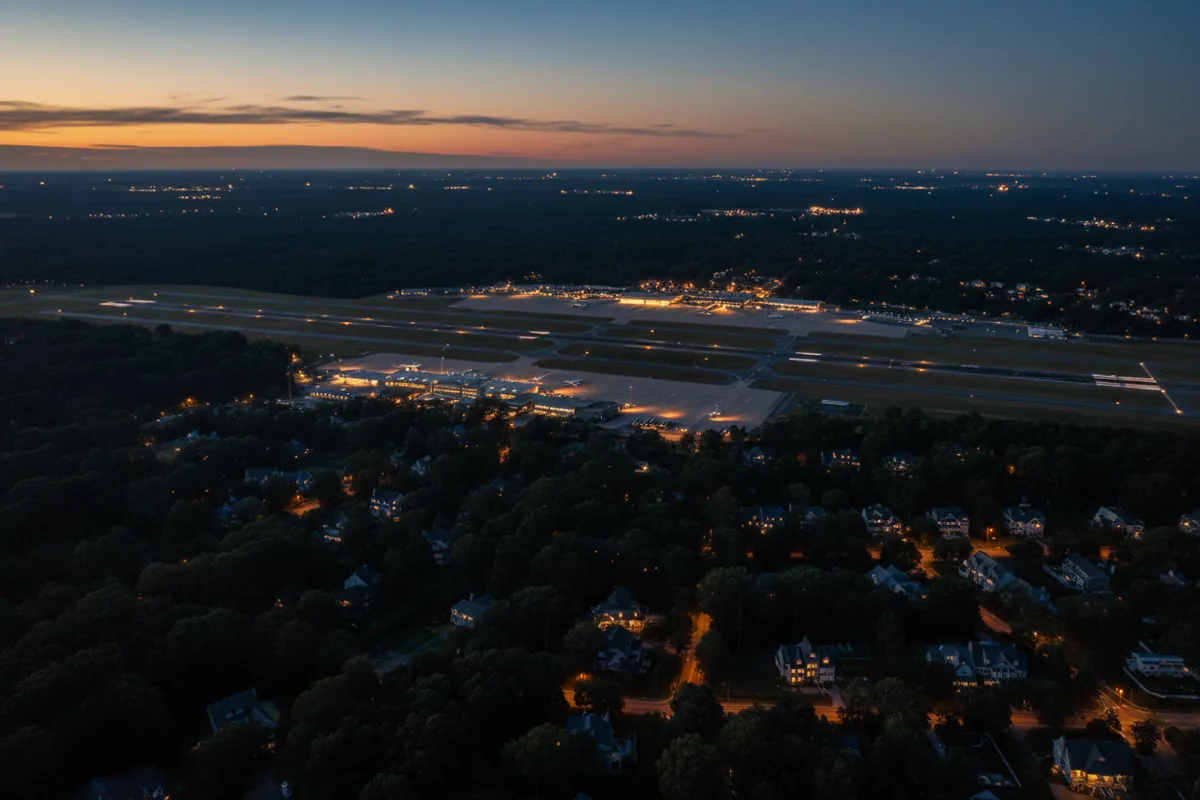
Airport Overview and IATA/ICAO Codes
Westchester airport is officially designated in the National Plan of Integrated Airport Systems (NPIAS), published by the Federal Aviation Administration (FAA), as both a reliever airport and a satellite airport for the New York City metro region. This dual designation reflects its functional role: it reduces traffic pressure on the major hub airports while independently serving a substantial base of commercial passengers each year. In 2024, HPN handled approximately 2,308,000 scheduled enplaned and deplaned revenue passengers, underscoring its significance as a primary commercial service airport in the New York metropolitan region. Westchester County Airport - Wikipedia
Key facts about HPN at a glance:
- Official name: Westchester County Airport
- IATA code: HPN
- ICAO code: KHPN
- Owner/operator: County of Westchester
- Location: Spans the towns of North Castle, Harrison, and Rye Brook, New York
- Elevation: 439 feet above mean sea level
- Runways: Two primary runways (16/34 and 11/29)
- Terminal: One commercial passenger terminal
The airport sits on approximately 700 acres of county-owned land and operates within the broader Westchester County Parks System administrative structure. County of Westchester government pages confirm that the airport is managed as a county asset alongside facilities such as the Westchester County Center and Westchester County Golf Courses.
Role in the New York Metropolitan Area
Westchester airport fills a gap in the regional aviation system. Travelers from the Hudson Valley, western Connecticut, and Fairfield County use HPN to avoid the congestion and travel time associated with JFK, LGA, and EWR. The airport's location — roughly 25 miles north of Midtown Manhattan — puts it within easy reach of a dense population corridor that extends across two states.
Westchester County Tourism consistently promotes HPN as the preferred departure point for regional residents. For business travelers in particular, the airport's streamlined check-in process and proximity to corporate campuses in Westchester and Fairfield County make it a practical first choice over New York City's larger hub airports.
History of HPN
Westchester airport has roots stretching back to 1942, when the County of Westchester constructed the original airfield to support wartime aviation activity in the New York region. The site in White Plains was selected for its flat terrain and proximity to major population centers north of New York City. Federal Aviation Administration records confirm the facility was developed under emergency wartime funding, with the primary runway system laid out to accommodate military transport aircraft of that era.
After World War II ended, the airport transitioned to civilian use. The original terminal building was a modest structure designed for light passenger volumes, reflecting the nascent state of commercial air travel in the late 1940s. By January 1948, scheduled airline service had begun operating out of White Plains, connecting Westchester County residents to destinations along the northeastern corridor without requiring a trip into the congested New York City airports.
Expansion and Modernization
Through the 1950s and 1960s, passenger demand grew steadily as the postwar economy expanded and commercial aviation became accessible to a broader public. The County of Westchester approved infrastructure investments that extended runway lengths and upgraded navigation systems to meet FAA certification standards for larger jet aircraft. These upgrades placed HPN on the National Plan of Integrated Airport Systems as a primary commercial service airport, a designation that reflects its role serving a defined metropolitan catchment area. Per Federal Aviation Administration records, Westchester County Airport recorded 872,023 passenger enplanements in calendar year 2019, establishing a pre-pandemic baseline that illustrates the airport's commercial scale prior to the disruptions of 2020. Westchester County Airport - Wikipedia
Environmental pressure intensified in the 1970s and 1980s as residential communities surrounding White Plains organized against aircraft noise. State-level decisions and county ordinances imposed operational restrictions that remain in effect today, including a limit on scheduled passengers per half hour and a voluntary nighttime restraint from flying. FAA environmental reviews conducted during this period documented noise contour data that shaped subsequent infrastructure decisions. Those reviews established the regulatory framework that prevents HPN from expanding in ways that would increase noise exposure for surrounding neighborhoods. A June 1994 federal court ruling reinforced the county's authority to enforce passenger caps, a landmark outcome that distinguished Westchester airport from most other commercial facilities in the national transportation system. That regulatory framework remains in effect today: Westchester County Airport enforces a 240-passenger-per-half-hour operational limit under its Terminal Use Regulations (TUR), a cap the county has committed to maintaining through all future terminal modernization phases. A New Vision for HPN: Westchester County Moves Forward With Terminal Modernization
Air National Guard Presence
The Air National Guard maintained a base at HPN from 1952 until 1983, when the unit moved to Stewart Airport. The 105th Airlift Wing, based at Stewart Airport, historically coordinated logistics through Westchester during the airport's peak military activity years. Guard operations added a layer of aviation safety infrastructure to the field, including instrument approach capabilities and emergency response assets that benefited civilian flights as well. FAA coordination with Guard units shaped the airspace design above White Plains, producing a controlled environment that pilots operating in the New York terminal area rely on year-round, from February through December peak travel periods and across all seasonal traffic cycles.
Facilities: Terminal, Gates, and Aircraft Operations
Westchester County Airport's facilities center on a single terminal building that handles commercial passenger activity at HPN; a separate terminal serves private jet passengers.
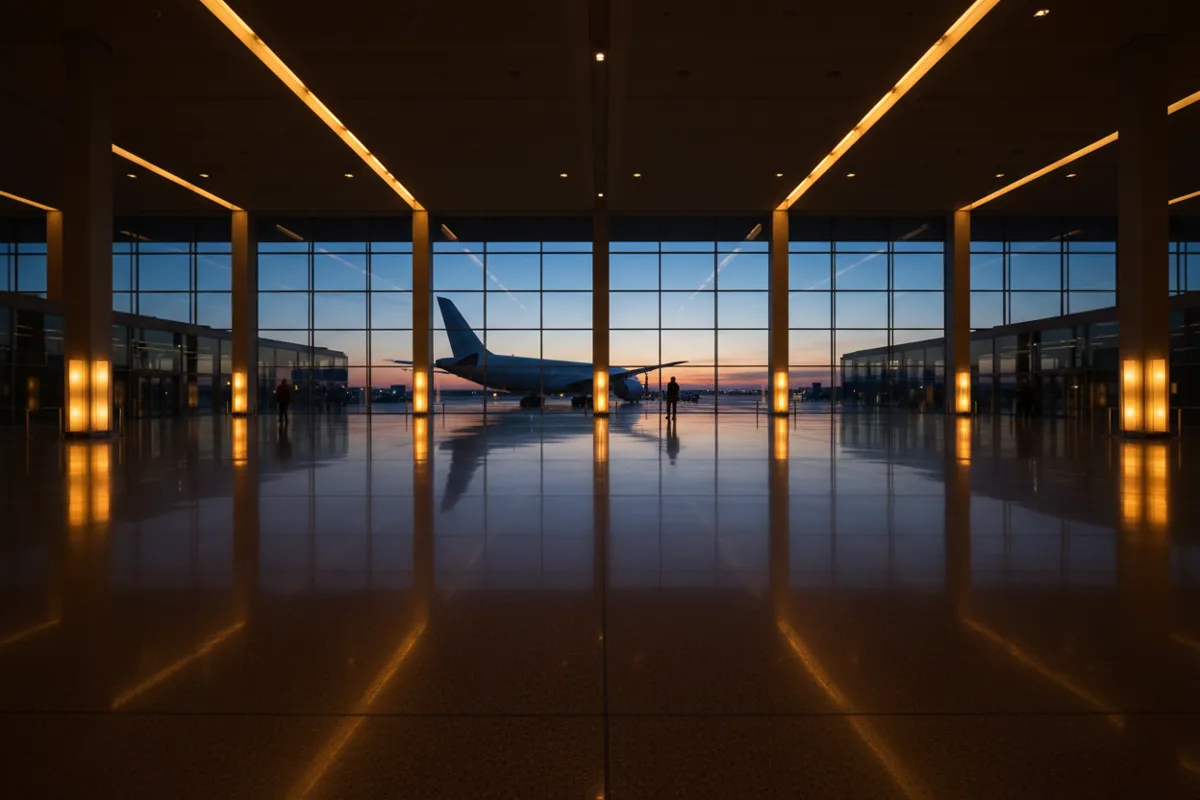
Terminal Layout and Passenger Amenities
The terminal contains six gates across two concourses, designated Concourse A and Concourse B. Airline assignments rotate based on scheduling, but American Airlines, Delta Air Lines and jetBlue consistently operate from these gates. The current terminal is a 96,000-square-foot, three-level structure with approximately 700 linear feet of frontage. A 2026 county-initiated modernization study is examining ways to fully reimagine the facility while maintaining its existing footprint and the 240-passenger-per-half-hour operational limit. A New Vision for HPN: Westchester County Moves Forward With Terminal Modernization
The facility includes standard passenger amenities across three categories:
- Ticketing and check-in counters with self-service kiosks from each operating airline
- TSA security screening with two checkpoint lanes serving both concourses
- Gate-side dining, retail, and a business lounge operated by Westchester County Parks System concessionaires
- Baggage claim with two carousels serving all arriving flights
- Ground transportation connections including taxi, rideshare, and rental car desks inside the terminal
The terminal building underwent a major renovation completed in 2018, improving passenger flow and expanding the security checkpoint area to reduce processing times during peak departure windows.
Runway and Aircraft Operations
HPN operates two active runways that support instrument flight rules (IFR) and visual flight rules (VFR) approaches:
| Facility | Details | Notes |
|---|---|---|
| Runway 16/34 | 6,549 ft × 150 ft | ILS approach, primary commercial runway |
| Runway 11/29 | 4,451 ft × 150 ft | VFR/RNAV approaches, general aviation use |
| Terminal Gates | 6 gates, 2 concourses | American Airlines, Delta Air Lines, jetBlue assignments |
| Parking Spaces | ~2,600 total | Short-term and long-term structured garages |
The FAA classifies HPN as a primary commercial service airport within the National Plan of Integrated Airport Systems (NPIAS). Runway 16/34 supports full ILS Category I instrument approaches, making the airport operational in low-visibility conditions critical for scheduled airline service.
According to FAA records, HPN recorded 158,764 total aircraft operations in 2023, with 260 fixed-wing aircraft based at the airport that same year — reflecting the airport's busy mix of commercial, business, and general aviation traffic. Westchester County Airport - Wikipedia
The NTSB accident database lists several incidents at HPN across its operational history, predominantly involving general aviation aircraft rather than commercial carriers. No fatal accidents involving scheduled airline passengers have been recorded at the airport in the modern operating era, reflecting a strong overall safety record.
Available Parking
The airport provides approximately 2,600 parking spaces divided between a short-term garage adjacent to the terminal and a long-term surface lot with shuttle service. Current rates and reservation options are available through the official County of Westchester government portal.
Airlines and Destinations at Westchester Airport
Several commercial carriers operate scheduled passenger service at Westchester airport, making HPN a focused regional hub rather than a full-scale network gateway. According to the Official Airline Guide (OAG), flight schedules at HPN are concentrated on high-demand Northeast corridors and select Sun Belt leisure routes.
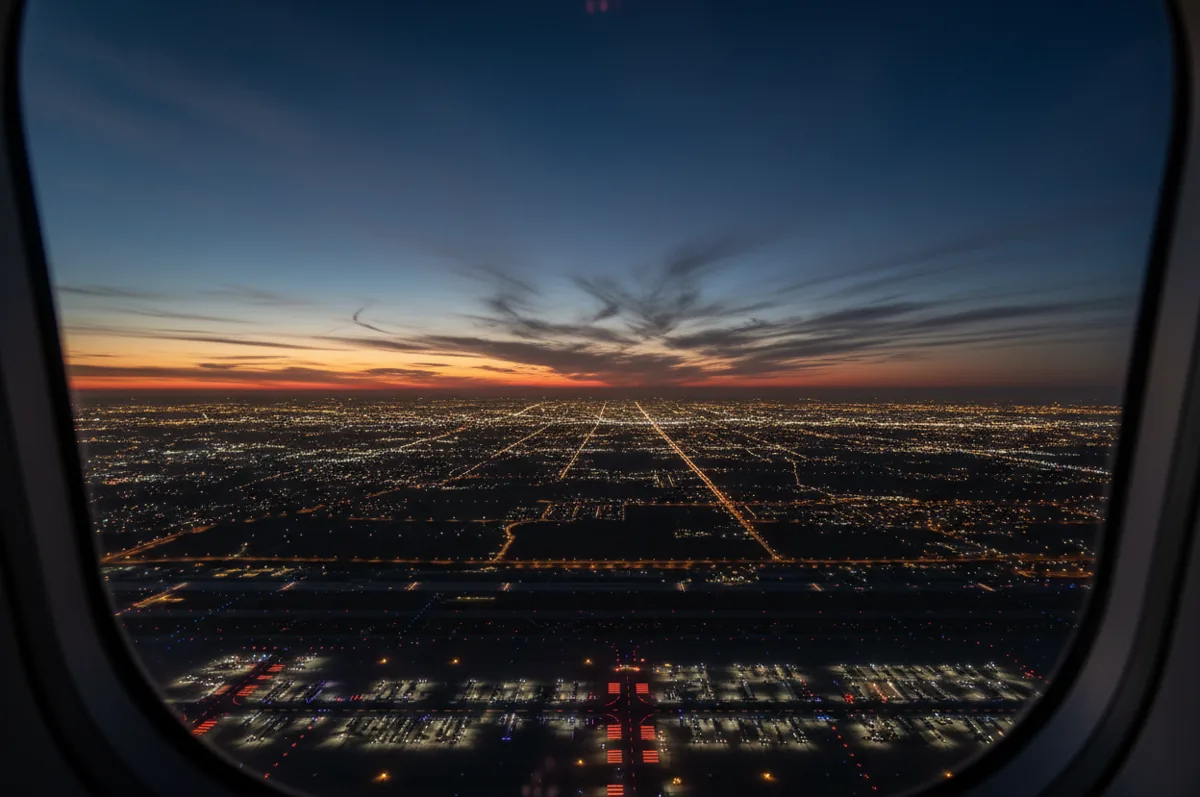
Current airlines serving Westchester County Airport include:
-
American Airlines – operates regional jet service to Charlotte (CLT), Chicago O'Hare (ORD), Washington Reagan (DCA) and, seasonally, Miami (MIA) through its American Eagle partners
-
Delta Connection – provides turboprop and regional jet flights to Detroit (DTW) and other Delta hub cities
-
Breeze Airways – offers low-fare nonstop service to leisure destinations including Charleston (CHS), Myrtle Beach (MYR), and Savannah (SAV)
-
Cape Air – serves smaller New England and mid-Atlantic markets with turboprop aircraft
Breeze Airways expanded its presence at HPN by targeting price-sensitive travelers who previously drove to JFK or Newark for nonstop leisure flights. That positioning reflects a broader trend of ultra-low-cost carriers identifying underserved secondary airports near major metropolitan areas.
Top domestic destinations from Westchester airport span two distinct traveler profiles. Business travelers lean on connections through Charlotte and Chicago. Leisure travelers increasingly favor Breeze's nonstop routes to Florida and the Southeast, particularly during the winter and spring seasons.
Passenger volume at HPN reached approximately 1.9 million annual passengers before pandemic-related disruptions, and the airport has tracked a steady recovery trajectory since 2022, according to County of Westchester transportation reports. That figure remains well below the tens of millions handled annually by JFK, LaGuardia, and Newark.
Flight options at HPN are deliberately limited compared to major New York City airports. The limit is by design, and Westchester airport works best for nonstop routes its airlines serve. Travelers seeking one-stop global connectivity should plan on using a primary network airport, while those prioritizing convenience, speed, and parking availability will find HPN a strong alternative for qualifying routes.
Driving and Parking
Three primary highways serve HPN: Interstate 684, the Hutchinson River Parkway, and Interstate 287. Travelers coming from New York City typically take I-95 North to the Hutchinson River Parkway, then exit toward the airport on Westchester Avenue. From Connecticut, I-684 South provides the most direct route. I-287 connects drivers arriving from New Jersey or points west across the Tappan Zee Bridge corridor.
The airport operates two on-site parking facilities managed by the County of Westchester. A short-term garage sits adjacent to the terminal for arrivals and quick pickups. Long-term surface lots offer reduced daily rates for extended trips. Real-time parking availability is published on the official Westchester County government website. Rideshare pickup and taxi zones are designated on the terminal's ground transportation level.
Public Transportation Options
For rail access, the county directs travelers to Metro-North's White Plains station, part of the downtown TransCenter. Bee-Line Bus System Route 12 connects the airport to the White Plains Transportation Center, where passengers can transfer to Metro-North's Harlem Line. From Grand Central Terminal in New York City, the rail journey to White Plains takes roughly 40 minutes on express service. The Bee-Line network, operated under the Westchester County transportation system, also links HPN to surrounding communities in the county.
Helicopter and Premium Transfer Services
Travelers who want a faster connection between HPN and New York City can fly by helicopter. BLADE offers airport helicopter transfers in the New York metro area that skip ground traffic. BLADE flights connect Manhattan with regional airports, which suits business travelers and time-sensitive departures from Westchester airport.
Noise, Safety, and Environmental Controversies
Westchester airport operates under some of the strictest noise control measures of any commercial service airport in the New York metropolitan area. The County of Westchester asks operators to observe a voluntary restraint from flying between midnight and 6
AM — a policy driven by decades of organized resistance from residential communities surrounding HPN in White Plains and neighboring towns.The passenger cap is the most consequential restriction in place. County rules limit terminal use to 240 scheduled passengers per half hour, a figure that has been contested in federal court multiple times. Airlines have challenged these limits as violations of the Airport Noise and Capacity Act of 1990, which reserves noise and access regulation authority primarily to the FAA. Federal courts have upheld Westchester County's authority to maintain certain local restrictions, but the regulatory back-and-forth between FAA oversight and county governance continues to shape which routes airlines can profitably sustain.
Environmental reviews conducted under New York State Environmental Quality Review Act (SEQRA) requirements have examined runway expansions and terminal modifications at HPN. Each proposed infrastructure change triggers a new round of community board opposition, environmental impact assessment, and FAA coordination — a cycle that has slowed airport development for over two decades. The practical result is a constrained flight schedule that limits airline decisions about aircraft type, frequency, and destination markets.
Notable Accidents and NTSB Investigations
The National Transportation Safety Board (NTSB) has investigated several accidents and incidents involving aircraft operating at or near Westchester airport. One significant case is NTSB Report Number ERA13FA151, involving a Cessna 560 that experienced a runway excursion at HPN in January 2013. The investigation identified pilot error and adverse runway conditions as contributing factors.
In June 2021, NTSB investigations into general aviation incidents at HPN reinforced ongoing safety reviews of the airport's instrument approach procedures. The FAA publishes updated safety data for HPN through its official aviation safety information system, retrievable at faa.gov, where accident records and airspace classification details are maintained for public reference.
The Takeaway: Westchester Airport Is More Than a Manhattan Alternative
Westchester County Airport (HPN) is an efficient option for travelers across the New York metro region. Located in White Plains, this primary commercial service airport offers shorter security lines, easier parking, and direct access to major destinations — without the congestion of JFK or LaGuardia.
Designated under the National Plan of Integrated Airport Systems, HPN serves a critical role in the regional aviation network as both a reliever airport and a satellite airport for the greater New York City area. The County of Westchester manages the facility alongside other county assets, including Westchester County Parks System properties and Westchester County Golf Courses, reflecting a broader commitment to public infrastructure.
If HPN serves your route, it is worth checking first. Check current flight schedules and airline information before booking.