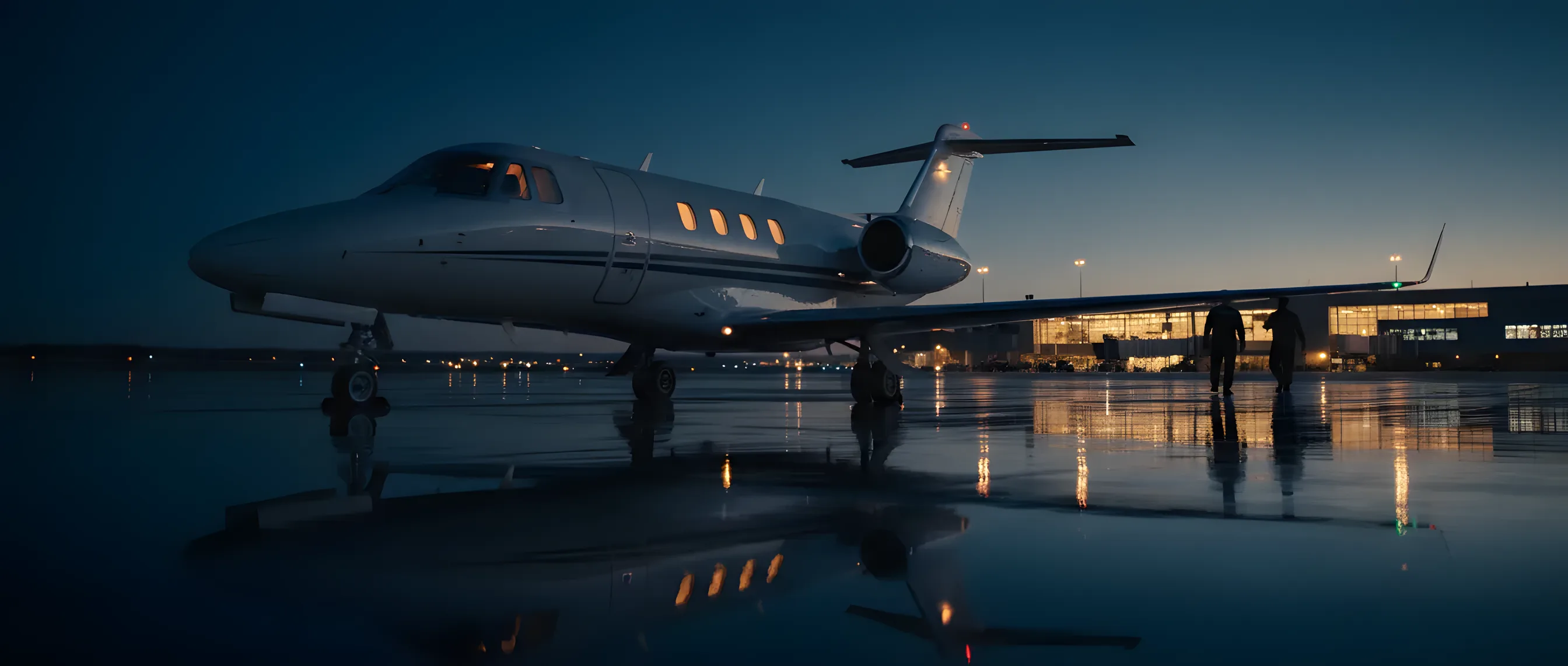

Overview of Citation Bravo Jet
The Cessna Citation Bravo is a light business jet for short and medium trips. It is a stretched development of the Citation S/II, with new engines, new avionics and new landing gear. It belongs to the Citation II family, which began with the Citation II (Model 550) in the late 1970s.
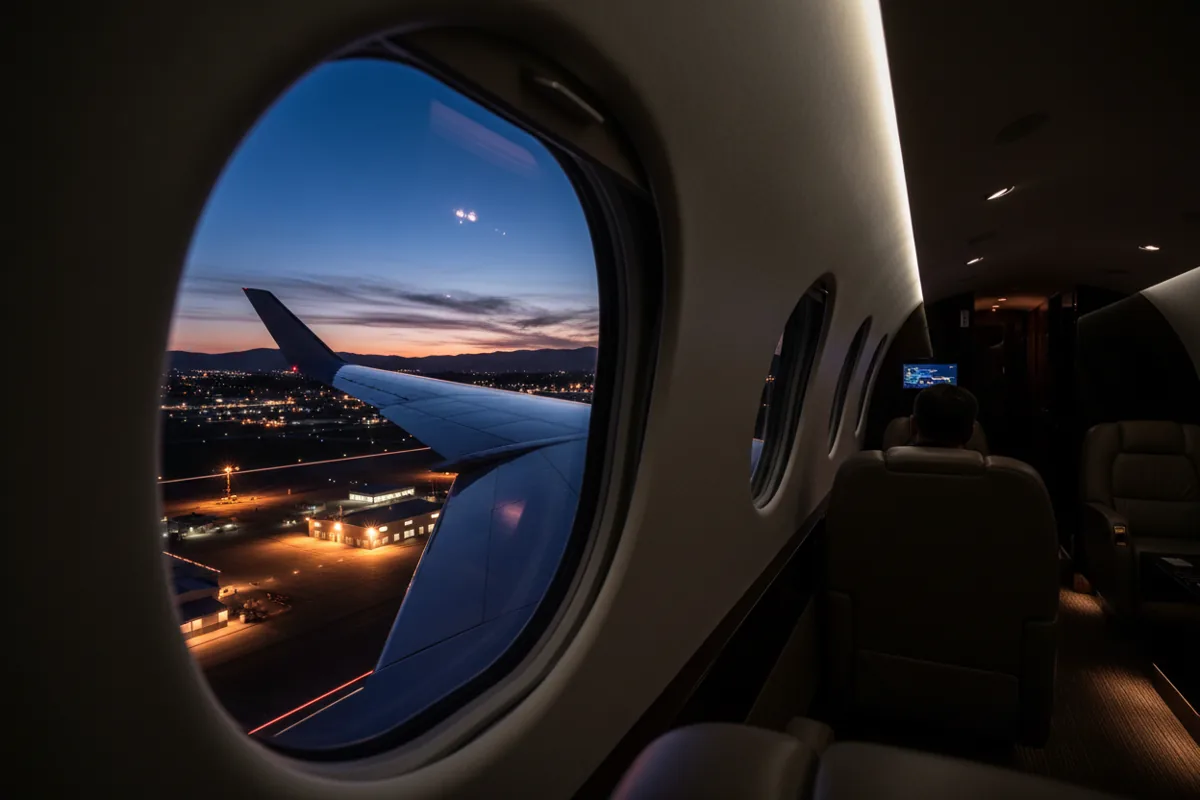
The Bravo first flew on April 25, 1995. It was certified in August 1996, and the first aircraft was delivered in February 1997. Production ended in late 2006 after 336 had been delivered. Cessna's later Citation CJ3 took its place in the lineup.
Technical Specifications of Citation Bravo Jet
Published figures for the Bravo's range, speed and seating vary from source to source, so this page sticks to the figures that can be confirmed.
Dimensions and Seating Capacity
The Bravo's cabin carries a small group, with seats for passengers and a separate cockpit for the pilots. The exact number of seats depends on how each aircraft is configured, so check the layout of the specific aircraft with the operator before you book.
Maximum Speed and Range
Rather than repeat conflicting brochure numbers, here is how the Bravo performs in practice, from its published fuel figures. On a typical flight it cruises at about 360 to 365 knots at 41,000 to 43,000 feet in its second hour. In its third hour, it is cruising at about 350 knots at 45,000 feet.
That makes it a good fit for short regional trips. For longer flights, the operator will tell you whether a route needs a fuel stop.
Engine and Performance
The Bravo uses two Pratt & Whitney Canada PW530A turbofans. They replaced the JT15D engines of the earlier Citation II and S/II. Compared with those engines, the PW530A produces 15% more thrust at takeoff and 23% more at altitude.
Other changes from the S/II:
- Honeywell Primus EFIS avionics in the cockpit
- A trailing-link main landing gear
- An interior based on the Citation Ultra's
Operating Costs and Maintenance of Citation Bravo Jet
Fuel burn falls as the flight goes on and the aircraft gets lighter. The Bravo burns about 1,100 pounds of fuel in the first hour, about 750 to 830 pounds in the second hour, and about 637 pounds in the third.
The engines need an overhaul every 4,000 hours. Owners can pay for that directly or through a pay-by-the-hour engine program. Beyond that, costs depend on the aircraft's age, hours and maintenance history, so get figures for the specific aircraft.
Resale Value of Citation Bravo Jet
Because production ended in 2006, the Bravo is bought and sold only on the pre-owned market. Prices depend on the year, hours flown, maintenance history and avionics upgrades. A full logbook and a pre-purchase inspection matter more than any average price.
Citation Bravo Jet in the Market
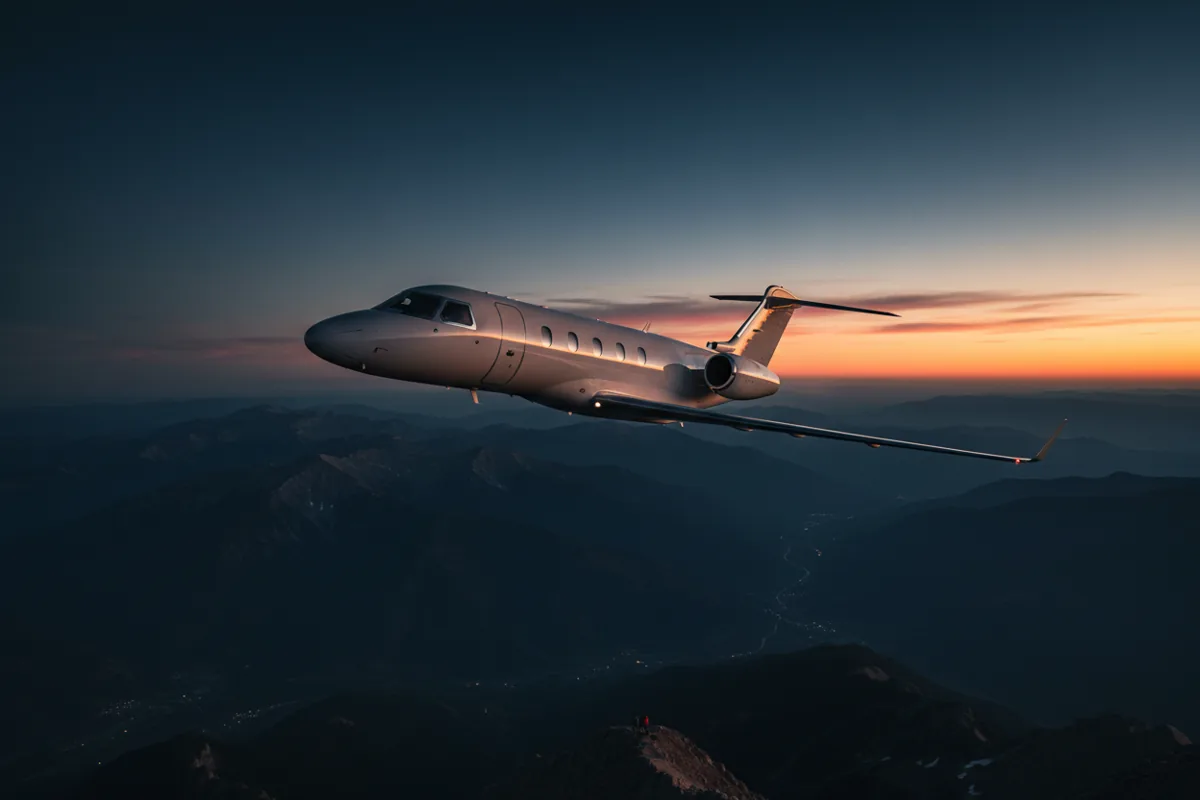
Among light jets of its era, the Bravo sits between a few well-known alternatives:
- The Beechjet 400A has a roomier cabin and is faster, but it needs more fuel and more runway.
- The Learjet 31A is faster but has less range.
- The Citation V Ultra has a longer cabin and is faster, but it burns more fuel.
Its successor, the Citation CJ3, is newer and better, and it costs more.
Chartering a Citation Bravo with BLADE
BLADE arranges private charters of jets, helicopters and turboprops through BLADE Anywhere. You tell BLADE your route, date and group size, and BLADE finds a suitable aircraft from its operator partners. In the United States, all flights are operated by DOT/FAA-licensed carriers, and BLADE's safety team vets its operator partners.
A light jet like the Bravo suits short regional trips for a small group. If a Bravo is not available for your date, BLADE can suggest other light jets. To start, use the private jet charter cost estimator on blade.com for suitable aircraft and an estimated price for your airports and date.
FAQs about What Is An Citation Bravo Jet?
What is a Citation Bravo jet?
The Citation Bravo is a light business jet built by Cessna. It is a stretched version of the Citation S/II, part of the Citation II family, with Pratt & Whitney Canada PW530A engines.
What engines does the Citation Bravo use?
Two Pratt & Whitney Canada PW530A turbofans. The earlier Citation II and S/II used the JT15D.
When was the Citation Bravo built?
It first flew in 1995 and was delivered from 1997. Production ended in late 2006, after 336 had been delivered.
What is the Citation II family?
The Citation II family is Cessna's line of light jets that began with the Citation II (Model 550). It includes the Citation II, the single-pilot II/SP, the S/II and the Bravo.
What replaced the Citation Bravo?
Cessna's Citation CJ3 replaced the Bravo in the lineup.