
Brief History and Background of Beechcraft
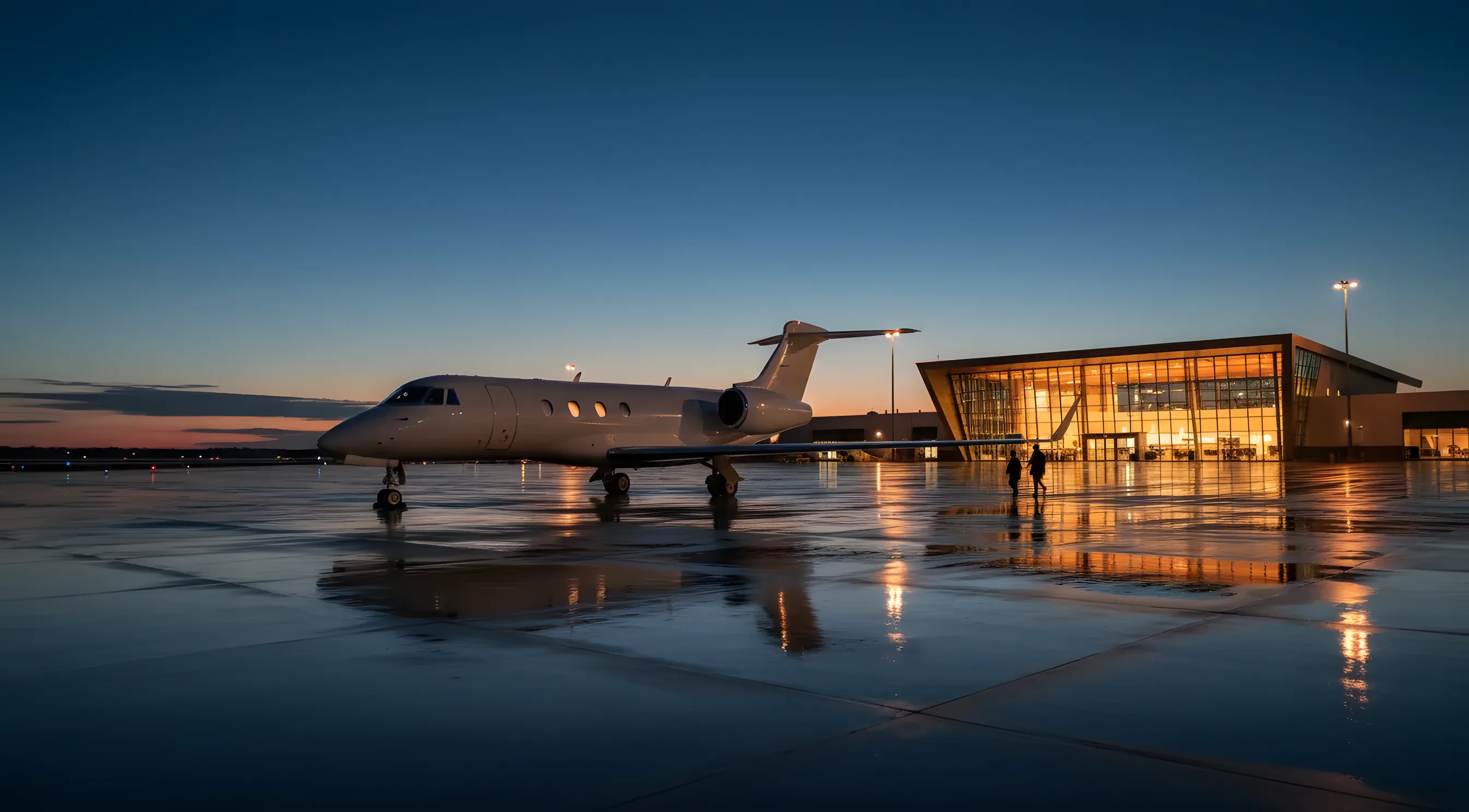
Design work on the Premier I began early in 1994 under the designation PD-374. The aircraft was officially launched at the NBAA convention in September 1995, and construction of the first prototype started late in 1996. Beechcraft designed it to compete with the Cessna CitationJet series.
The prototype rolled out on August 19, 1998, and made its first flight on December 22, 1998. Four prototypes flew in the test program. The FAA issued the type certificate on March 23, 2001, and the jet entered service that year. When it was certified, the Premier I was the fastest and most spacious aircraft in the light jet segment.
In 2006, Beechcraft introduced the improved Premier IA, with better avionics, brakes and cabin comfort. A further development, the Premier II, was later rebranded as the Hawker 200 and never entered production.
Hawker Beechcraft filed for Chapter 11 on May 3, 2012, and emerged on February 19, 2013, as Beechcraft Corporation, without its jet production. Textron bought Beechcraft in March 2014 and combined it with Cessna to form Textron Aviation.
Overview of the key features and specifications
Design and body
The Premier I has a low, swept wing, a pressurized cabin and a swept T-tail. Its flaps span 75 percent of the wing's trailing edge. The wing is made of aluminium, while the fuselage is a carbon fiber and epoxy honeycomb composite.
Building the fuselage with a computer-controlled fiber-placement machine, instead of hand lay-up, reportedly cut assembly hours to half those of the Beechcraft King Air.
- Length: 46 ft 0 in
- Wingspan: 44 ft 6 in
- Height: 15 ft 4 in
- Max takeoff weight: 12,500 lb
Engine specifications and fuel efficiency
The Premier I uses two Williams International FJ44-2A turbofans, each rated at 2,300 lb of thrust. Fuel burn on any trip depends on the load, the altitude, the speed and the route, so ask the operator for an estimate for your flight.
Range capabilities and maximum speed
Beechcraft's own specifications for the Premier IA:
- Maximum cruise speed: 454 knots
- Range with 4 passengers: 1,166 nm
- Range with full fuel: 1,360 nm
- Range with maximum payload: 787 nm
- Maximum operating altitude: 41,000 ft
More passengers and bags mean less range. Confirm any nonstop route with the operator.
Passenger comfort and amenities
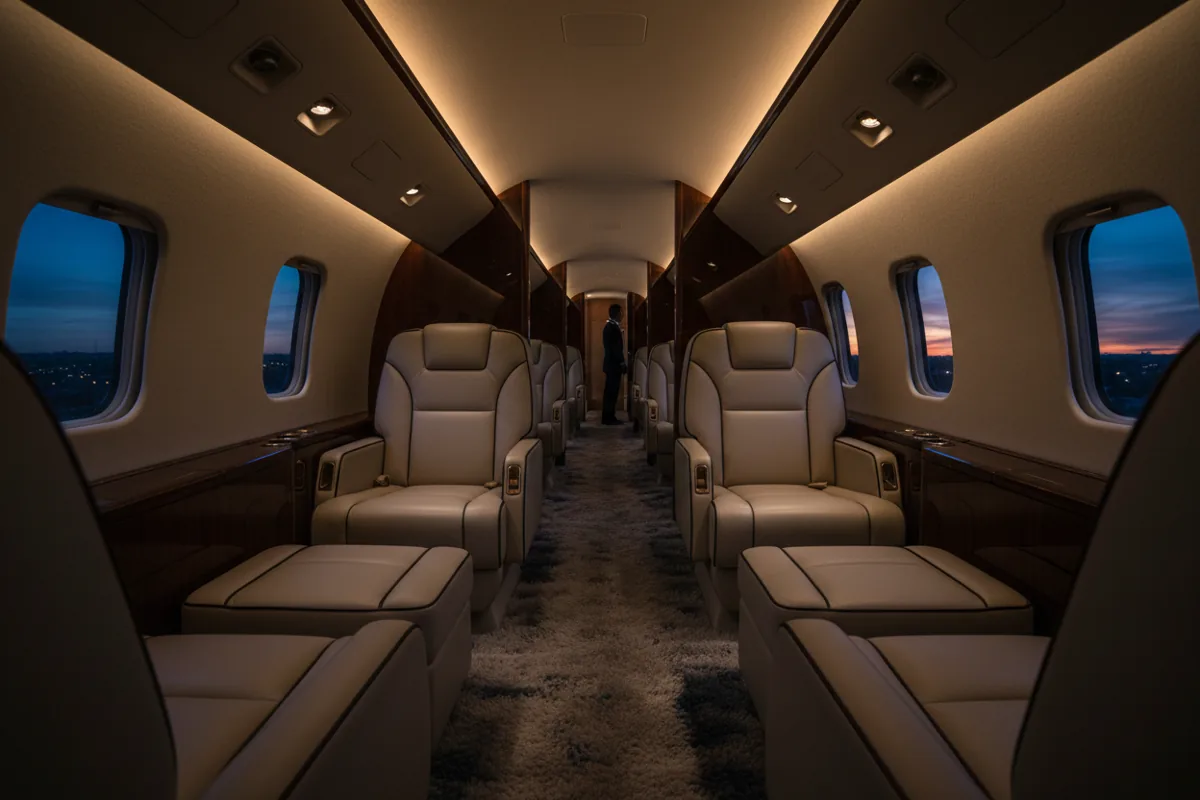
The standard cabin has a four-seat club arrangement plus two aft chairs, and Beechcraft lists the Premier IA as carrying up to seven passengers. The seating section of the cabin is about 11.2 ft long. It is a light-jet cabin, so plan for seated travel rather than standing room.
Avionics and safety features
The Premier I and IA can be certified for operation by a single pilot. The Premier IA added dual primary flight displays, an integrated flight information system that works with electronic charts and weather overlays, and TCAS II.
The original Premier I uses an annunciator panel rather than an engine-indicating and crew-alerting system. Its original transponders do not meet ADS-B requirements, so check that any aircraft you fly has had the aftermarket upgrade.
Cost and maintenance of Beechcraft Premier I Jet
Price range and maintenance costs
In the mid-1990s, Beechcraft planned to price the Premier I at $5 million. Today it is only available pre-owned, and prices depend on the year, the version (Premier I or IA), hours and maintenance history.
Factors affecting maintenance cost
Maintenance costs depend on hours flown, the engine program and the aircraft's age. Warranty coverage for the Premier I and IA was cancelled in the Hawker Beechcraft restructuring, so check the support arrangements and maintenance records of any aircraft before you buy.
Comparison with other Jets in the Market

Comparison With Other Jets in the Same Category
The Premier I was designed to compete with light jets such as the Cessna CitationJet series. When it entered service, it was the fastest and most spacious jet in its segment.
Advantages and Disadvantages Compared to Competitors
Advantages: a fast cruise speed for its class, a roomy cabin for a light jet and single-pilot certification.
Disadvantages: production has ended, the original avionics need upgrades for ADS-B, and the aircraft finished development 1,500 lb heavier than first planned.
Conclusion and Future of Beechcraft Premier I Jet
Summary of key features and benefits
The Premier I is a fast, composite-fuselage light jet with two Williams FJ44 engines and room for up to seven passengers. Between the Premier I and IA, 292 were built.
Chartering a Beechcraft Premier I
If you want to fly a light jet without owning one, BLADE arranges private charters of jets through licensed operators. All BLADE flights in the United States are operated by FAA-licensed carriers. Tell BLADE your route, date and group size, and compare the aircraft available for your trip.
FAQs about What Is An Beechcraft Premier I Jet?
What is a Beechcraft Premier I jet?
It is a light business jet built by Raytheon and Hawker Beechcraft, certified in 2001, with two Williams FJ44-2A turbofans and a composite fuselage.
What are the aircraft dimensions of a Beechcraft Premier I jet?
It is 46 ft 0 in long, with a wingspan of 44 ft 6 in and a height of 15 ft 4 in. Its maximum takeoff weight is 12,500 lb.
What is the mid-life interval for a Beechcraft Premier I jet?
Engine inspection and overhaul intervals depend on the engine program the aircraft is enrolled in. Check the engine records and program status of the specific aircraft.
What is the mid-life cost for a Beechcraft Premier I jet?
It depends on the engine program and the shop doing the work. Get a current quote for the specific aircraft before you buy.
What is the maximum range of a Beechcraft Premier I jet?
Beechcraft lists the Premier IA at 1,166 nm with four passengers and 1,360 nm with full fuel.
How fast can a Beechcraft Premier I jet fly?
Its maximum cruise speed is 454 knots.