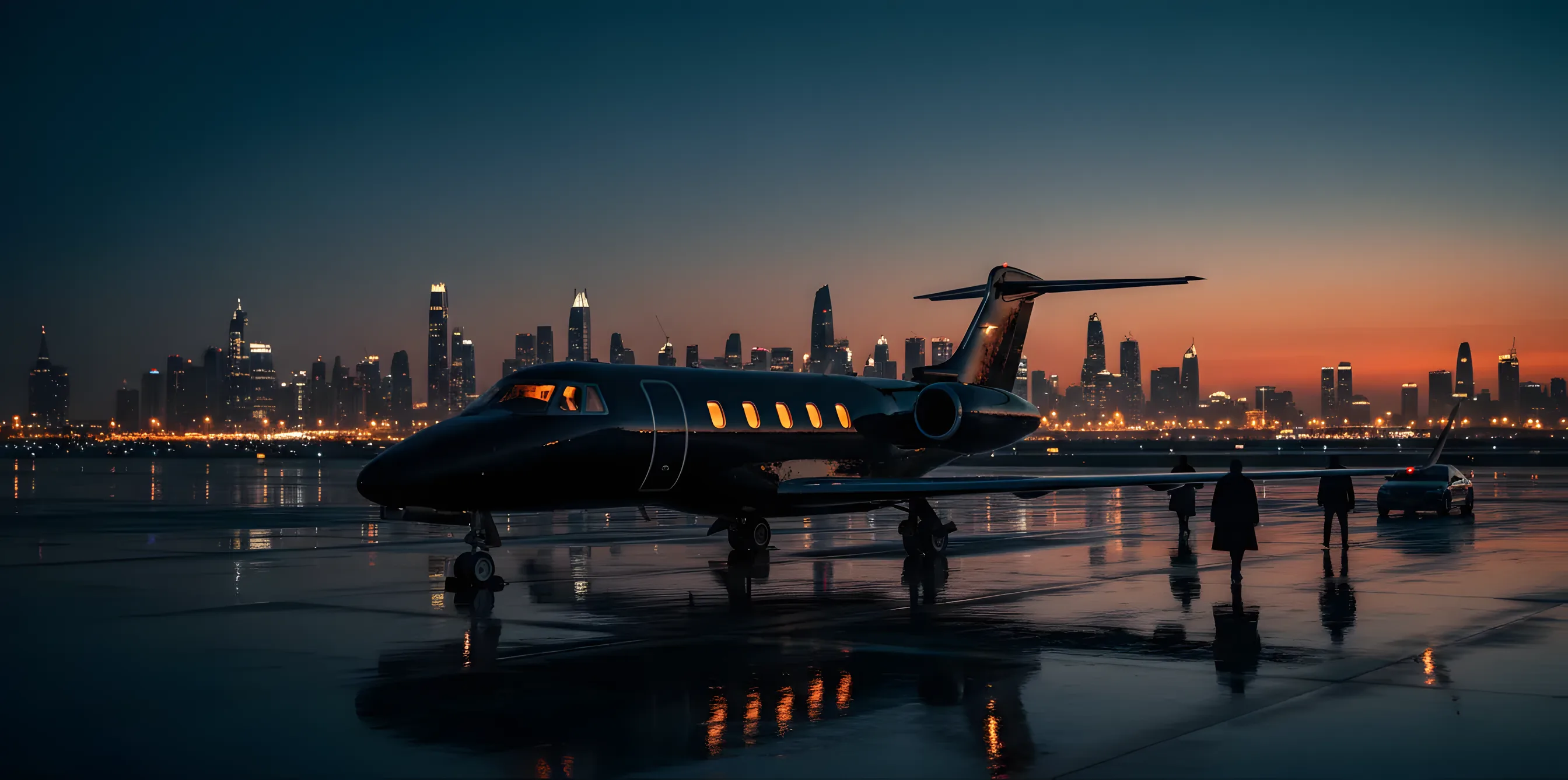

Introduction to the SJ30-2 Jet
The SyberJet SJ30-2 is a light business jet with two engines, room for six passengers and a long, swept wing. It is known for two things: range that is long for a jet of its size, and a cabin pressurized to sea level at most cruising altitudes. It also has one of the longest development stories in business aviation.
Brief history of the SJ30-2 Jet
Ed Swearingen announced the design in October 1986, as a six to eight person jet powered by two Williams FJ44 turbofans. Gulfstream Aerospace backed the project from October 1988. The Jaffe Group took over in September 1989, and the aircraft was renamed the SJ-30.
The first SJ-30 flew on February 13, 1991, but development then stalled. The Taiwan-based Sino Swearingen Aircraft Corporation rescued the program and stretched the design into the SJ30-2, with a longer fuselage and a wingspan six feet wider. The SJ30-2 first flew on November 8, 1996.
The FAA certified the SJ30-2 on October 27, 2005, and the first production aircraft reached its customer by November 1, 2006. Dubai investors bought Sino Swearingen in 2008 and renamed it Emivest. Production stopped in November 2009, and Emivest filed for bankruptcy on October 26, 2010.
In 2011 the assets were sold to Metalcraft Technologies, the jet's aft fuselage supplier, which renamed the company SyberJet Aircraft. SyberJet developed an updated version, the SJ30i, with new avionics based on Honeywell's Primus Epic 2.0 and a redesigned interior. The SJ30i made its first flight on October 9, 2019.
Overview of the design and features of the aircraft
The SJ30 was the first aircraft designed around a 12 psi cabin pressure differential. That gives it a sea-level cabin up to 41,000 feet, and a cabin altitude below 1,800 feet at its ceiling of 49,000 feet. A lower cabin altitude means less fatigue on longer flights.
The jet is certified for single-pilot operation, and it can also be flown with two pilots. Power comes from two Williams International FJ44-2A turbofans.
Specifications of SJ30-2 Jet
Physical Dimensions
- Wingspan: 42.3 ft (12.9 m)
- Max Takeoff Weight: 13,950 lb (6,328 kg)
- Cabin pressure differential: 12 psi
- Service ceiling: 49,000 ft
Weight and Capacity
The SJ30-2 seats up to six passengers plus one pilot. Its maximum takeoff weight is 13,950 pounds. In 1996, Sino Swearingen petitioned to certify the jet in the Commuter Category, and approval allowed the program to exceed the 12,500-pound takeoff weight limit of Part 23.
Performance Metrics
Maximum speed and range
The SJ30-2 has a maximum speed of 486 knots (559 mph) and a range of 2,500 nautical miles. That range is long for a light jet. It covers many nonstop trips that smaller jets would need a fuel stop for, but always confirm a specific route with the operator, because passengers, bags, weather and winds all change what a jet can fly nonstop on the day.
Fuel efficiency
Fuel burn on any jet depends on the load, the cruising altitude, the speed and the route. A light jet like the SJ30-2 burns far less fuel per hour than a large cabin jet. Ask the operator for a trip estimate rather than relying on a published average.
Engine and Fuel System
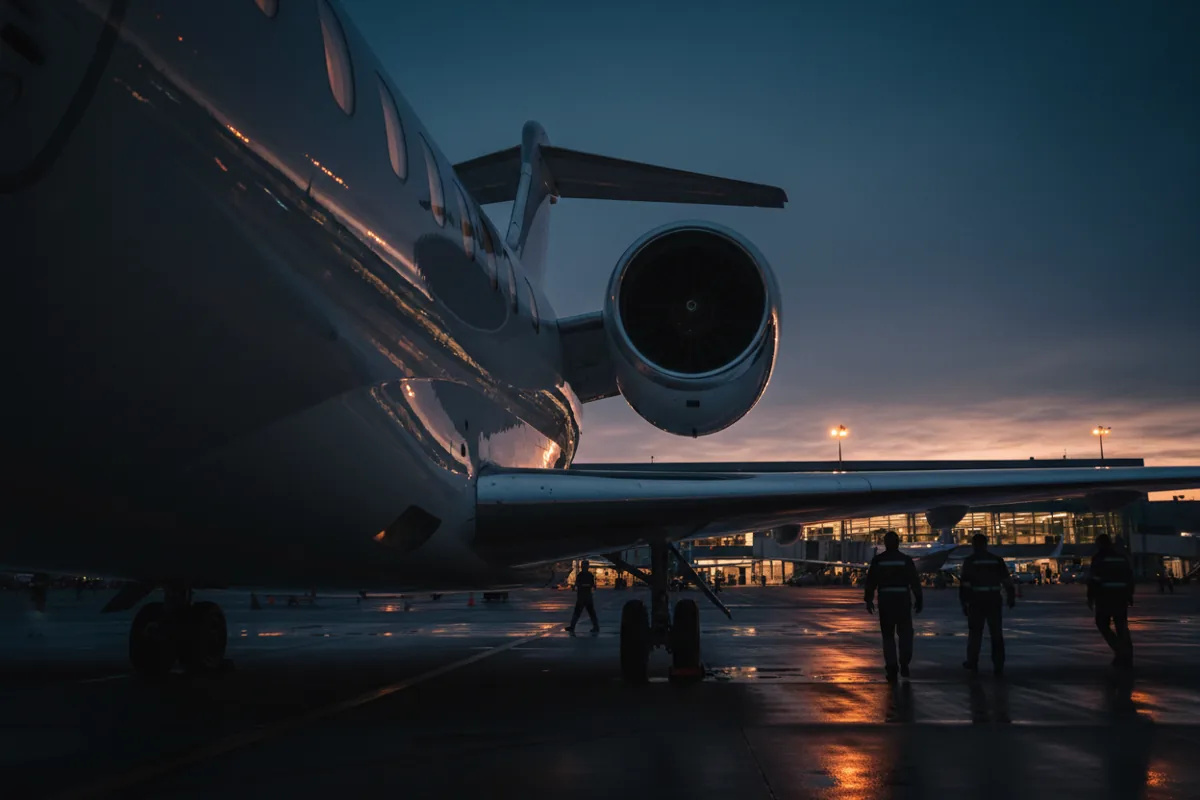
Turbofan Engines
The SJ30-2 uses two Williams International FJ44-2A turbofans, each rated at 2,300 pounds of thrust. The newer SJ30i variant uses the FJ44-3AP-2A instead.
Interior Features of SJ30-2 Jet
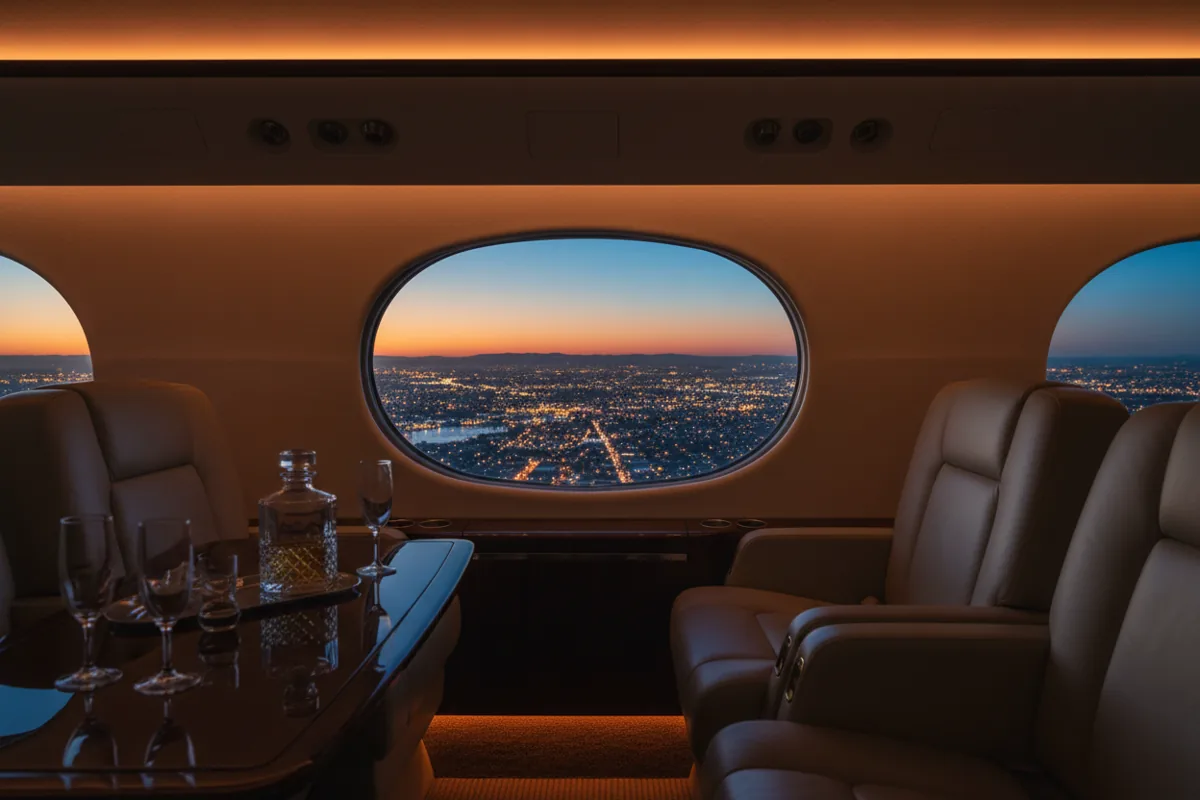
Cabin Layout and Seating Capacity
The cabin seats up to six passengers. It is a light-jet cabin, so plan for seated travel rather than standing room, and pack with the baggage space in mind. The SJ30i variant added a redesigned interior by Jason Castriota.
Climate Control and Lighting Options
The sea-level cabin is the feature passengers notice most. Cabin altitude stays at sea level up to 41,000 feet, which keeps the air pressure close to what you have on the ground for most of the flight.
Chartering an SJ30-2
Only a small number of SJ30 jets were built, and by 2023 only one SJ-30 was reported to be flying. That makes the SJ30-2 hard to find for charter. If you want a jet with similar seating and range, BLADE can arrange a private charter on a comparable light or midsize jet through licensed operators. Tell BLADE your route, date and group size, and compare the aircraft that are available.
FAQs about What Is An Sj30-2 Jet?
What is an SJ30-2 jet?
The SJ30-2 is a light business jet built by SyberJet Aircraft. It seats up to six passengers, has a range of 2,500 nautical miles and a maximum speed of 486 knots.
What are the key features of the SJ30-2 jet?
Its best-known feature is a cabin held at sea-level pressure up to 41,000 feet. It is also certified for single-pilot operation and has long range for a light jet.
Who typically uses SJ30-2 jets?
The SJ30-2 was designed for private owners and companies who want a small jet that can fly long distances. Very few were built, so it is uncommon in charter fleets.
What is the production process of the SJ30-2 jet?
The SJ30-2 was certified by the FAA in 2005 and features numerous improvements over earlier versions. Production stopped in 2009, and SyberJet Aircraft took over the program in 2011.
What are the benefits of an SJ30-2 jet compared to other private aircraft?
Compared with many light jets, the SJ30-2 offers longer range and a lower cabin altitude. The trade-off is availability, since only a handful were built.
How does the SJ30-2 jet fit into the broader aviation industry?
The SJ30-2 is a light business jet with an unusually long development history. SyberJet's SJ30i continues the design with updated avionics and a new interior.