
Introduction
Overview of Cirrus Vision SF50 Jet
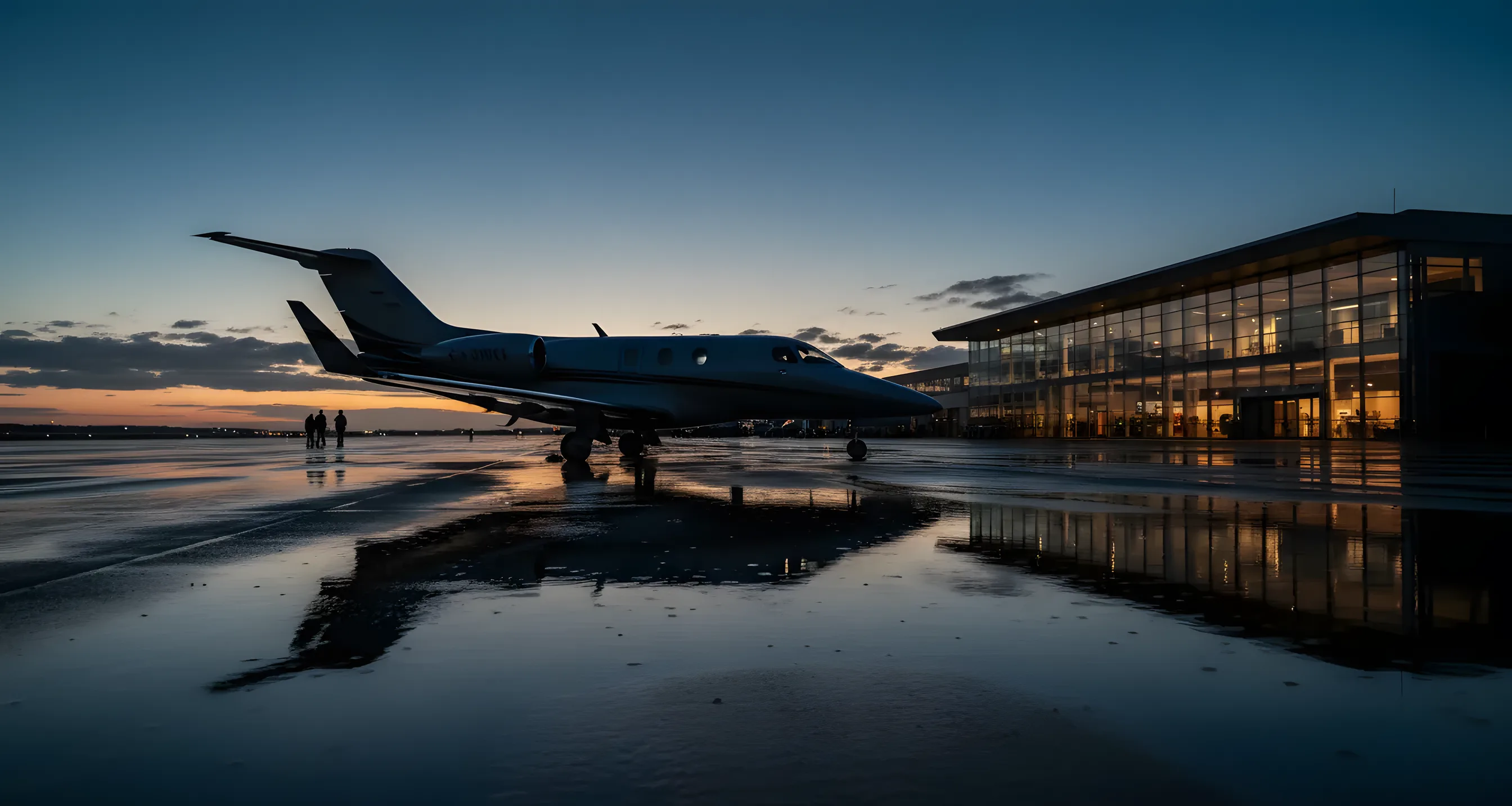
The Cirrus Vision SF50 is a small, pressurized business jet with one engine. Cirrus built it as a step up for pilots who already fly high-performance piston aircraft such as the Cirrus SR20 and SR22, so it was designed first for owners who fly themselves. By 2019 it was also approved for Part 135 charter use.
The airframe is made entirely of composite material, with a low wing, a V-tail and a single engine mounted on top of the rear fuselage. Reviewers often compare its performance to high-performance single-engine turboprops rather than to faster twin-engine jets. Its strengths are a roomy cabin for its size, short runway needs and its safety systems.
Brief History of the Jet
Cirrus announced the jet in June 2006 and unveiled a prototype on June 26, 2008. The first prototype flew on July 3, 2008. Development slowed in 2009 for lack of funding, and moved forward again after the Chinese company CAIGA bought Cirrus in 2011.
The first conforming prototype flew on March 24, 2014, and the first production aircraft flew on May 5, 2016. The FAA awarded the type certificate on October 28, 2016, after a ten-year development process. The first customer aircraft was delivered on December 19, 2016.
In 2018 the Vision Jet won the Robert J. Collier Trophy for the "greatest achievement in aeronautics or astronautics in America" in the previous year. It has been the most-delivered business jet every year since 2018, with 721 delivered by December 2025.
Design and Performance
Body and Wings
The SF50 is 30.7 ft long, with a wingspan of 38.7 ft and a height of 10.9 ft, according to Cirrus. Passengers board through a single door on the left side of the fuselage. Cirrus designed the door so passengers can climb in while the pilot stays seated.
Engine Specifications
The jet uses a single Williams International FJ33-5A turbofan mounted above the rear fuselage. It is a turbofan jet, not a turboprop.
Speed and Altitude Performance
Cirrus publishes these figures for the current Vision Jet:
- Max cruise speed: 317 KTAS
- Max range: 1,275 nm
- Max operating altitude: 31,000 ft
- Takeoff distance: 1,910 ft
- Landing ground roll: 1,622 ft
- Stall speed with flaps: 67 knots
Range always depends on payload, speed and weather. A full cabin and maximum cruise speed shorten the distance the jet can fly nonstop.
Avionics and Technology

Perspective Touch+ by Garmin
The flight deck is the Cirrus Perspective Touch+ by Garmin, based on the Garmin G3000. It uses touch controllers, and the primary and multifunction displays can be split to show up to three windows at once. Cirrus also offers Garmin's automatic weather radar, which scans vertically and horizontally to build a real-time picture of the weather.
Early prototype plans called for a different avionics package, but production aircraft use the Garmin-based Perspective Touch flight deck.
Connectivity and In-Flight Entertainment
The G2+ version, announced on July 20, 2021, added Gogo Inflight WiFi. Cirrus also offers automatic avionics database updates over Wi-Fi or LTE.
Safety Features
CAPS (Cirrus Airframe Parachute System)
The SF50 is the first jet to come with a whole-aircraft ballistic parachute. CAPS deploys from the nose and lowers the whole aircraft and its occupants to the ground in an emergency. It is activated by pulling a red handle between the pilot and copilot seats.
Safe Return Emergency Autoland
Safe Return, built by Garmin, can land the aircraft without pilot input. Once activated with a single button in the cabin ceiling, it picks the nearest suitable airport, flies there and lands. In August 2020 the SF50 became the first jet to receive FAA approval for an autoland system. All current G2+ models and later G2 models include it.
Safety Ratings and Certifications
The SF50 holds an FAA type certificate (October 2016) and received EASA certification for the European market. Flight into known icing is available, with pneumatic boots on the leading edges of the wings and the V-tail.
Interior and Amenities
Cabin Design and Comfort
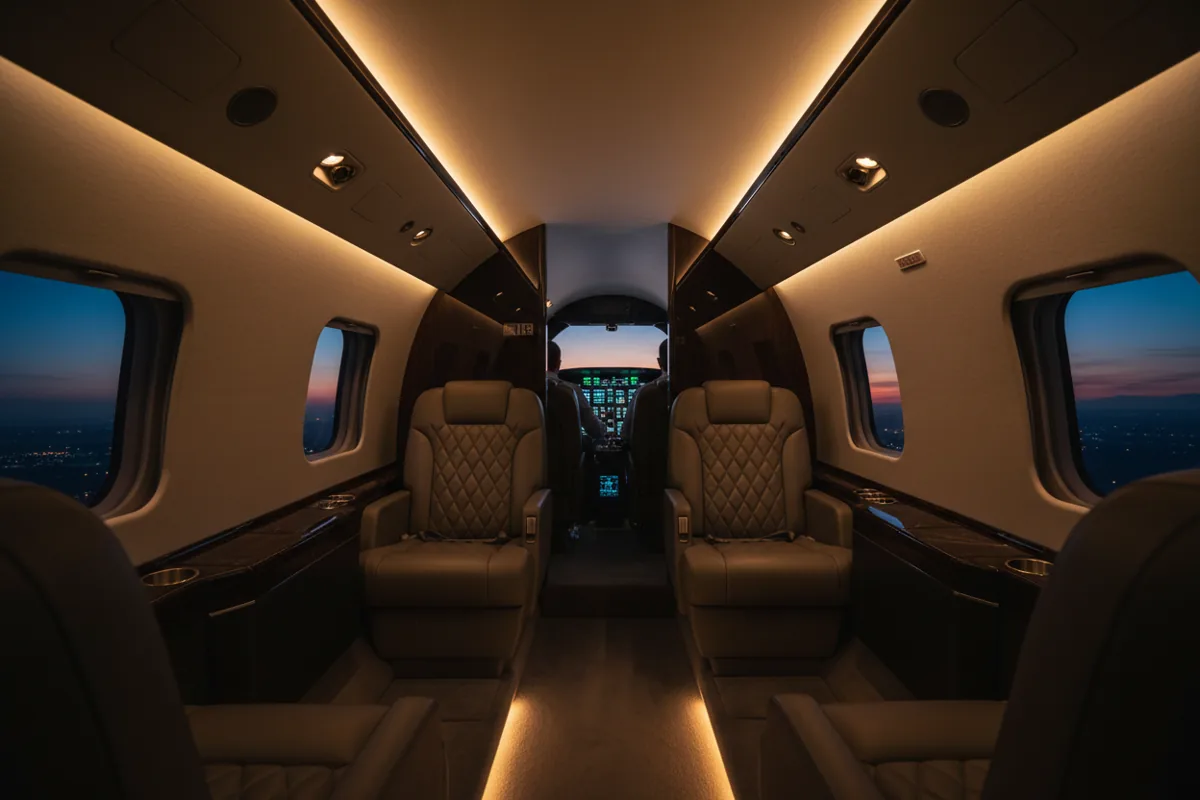
The cabin is 5.1 ft wide and 4.1 ft high. Cirrus describes leather seats, panoramic windows, tray tables and power outlets, with modular seating that can be rearranged for passengers or cargo. Passengers can control the temperature in their section of the cabin.
Storage and Baggage Space
The exterior baggage compartment holds up to 300 pounds of luggage. The optional Cargo X-Tend makes room for longer items such as skis and golf clubs.
Ownership and Maintenance
Cost and Availability
In 2023 the equipped price of a new G2+ Vision Jet was $3.25 million. Prices change with each model year and option package, so check with Cirrus for current pricing.
Maintenance and Service Requirements
Cirrus offers JetStream, an owner program that goes beyond a standard warranty to cover normal wear replacement, recurrent training and direct support. The SF50 is designed for a life limit of 12,000 flight hours.
Pilot Training and Certification
Flying the SF50 requires a type rating. Cirrus runs Vision Jet type rating training with flight instructors and scenario-based lessons.
Chartering a Cirrus Vision SF50
If you want to fly on a light jet without owning one, BLADE arranges private charters of jets through licensed operators. All BLADE flights in the United States are operated by FAA-licensed carriers. Tell BLADE your route, date and group size, and BLADE will show you the aircraft available for your trip.
FAQs about What Is An Cirrus Vision Sf50 Jet?
What is a Cirrus Vision SF50 jet?
It is a seven-seat, single-engine personal jet made by Cirrus Aircraft. It is built from composite materials and powered by one Williams FJ33 turbofan.
What makes the G2+ variant of the Cirrus Vision SF50 different?
The G2+, announced in July 2021, improved takeoff performance by 20 percent, added Gogo Inflight WiFi and offered slightly more range and payload than the G2.
What is the range of a Cirrus Vision SF50 jet?
Cirrus lists a maximum range of 1,275 nm for the current model. Actual range falls as payload and speed rise.
How fast can a Cirrus Vision SF50 jet fly?
Cirrus lists a maximum cruise speed of 317 KTAS for the current model.
How many people can a Cirrus Vision SF50 jet accommodate?
The Vision Jet has seven seats.
What is the price of a Cirrus Vision SF50 jet?
In 2023, a new G2+ Vision Jet had an equipped price of $3.25 million.