

What is Citation CJ1 Jet?
The Cessna Citation CJ1 is a small twin-engine jet for short and medium trips. It belongs to the Model 525 series, the same family that includes the CJ2, CJ3, CJ4 and M2. Model 525 aircraft with serial numbers 0360 to 0599 are marketed as the CJ1.
Like the rest of the CitationJet family, the CJ1 is certified to be flown by a single pilot. Cessna designed the CitationJet line for a small group of four or five passengers on regional trips.
History and Development of Citation CJ1 Jet
The story starts with the original CitationJet. Cessna stopped building the Citation I in 1985, and still saw demand for a light jet with low operating costs that could use short runways. It launched the Model 525 CitationJet at the October 1989 NBAA convention.
The CitationJet first flew on April 29, 1991. The FAA certified it on October 16, 1992, and the first aircraft was delivered on March 30, 1993. The Citation I is a separate, earlier Cessna model, not the same aircraft.
The CJ1 updated the CitationJet with Rockwell Collins Pro Line 21 avionics and a moderate increase in maximum takeoff weight. The CJ1+, from serial number 0600, added Williams FJ44-1AP engines with FADEC control and was certified in 2005.
Cessna then launched the Citation M2 in September 2011, based on the CJ1, which was out of production by then. The M2 entered the market in 2013 as the CJ1's successor.
Key Features and Specifications of Citation CJ1 Jet
- Manufacturer: Cessna
- Family: Model 525 CitationJet
- Engines: two Williams FJ44-1A turbofans (FJ44-1AP on the CJ1+)
- Avionics: Rockwell Collins Pro Line 21
- Pilots: certified for single-pilot operation
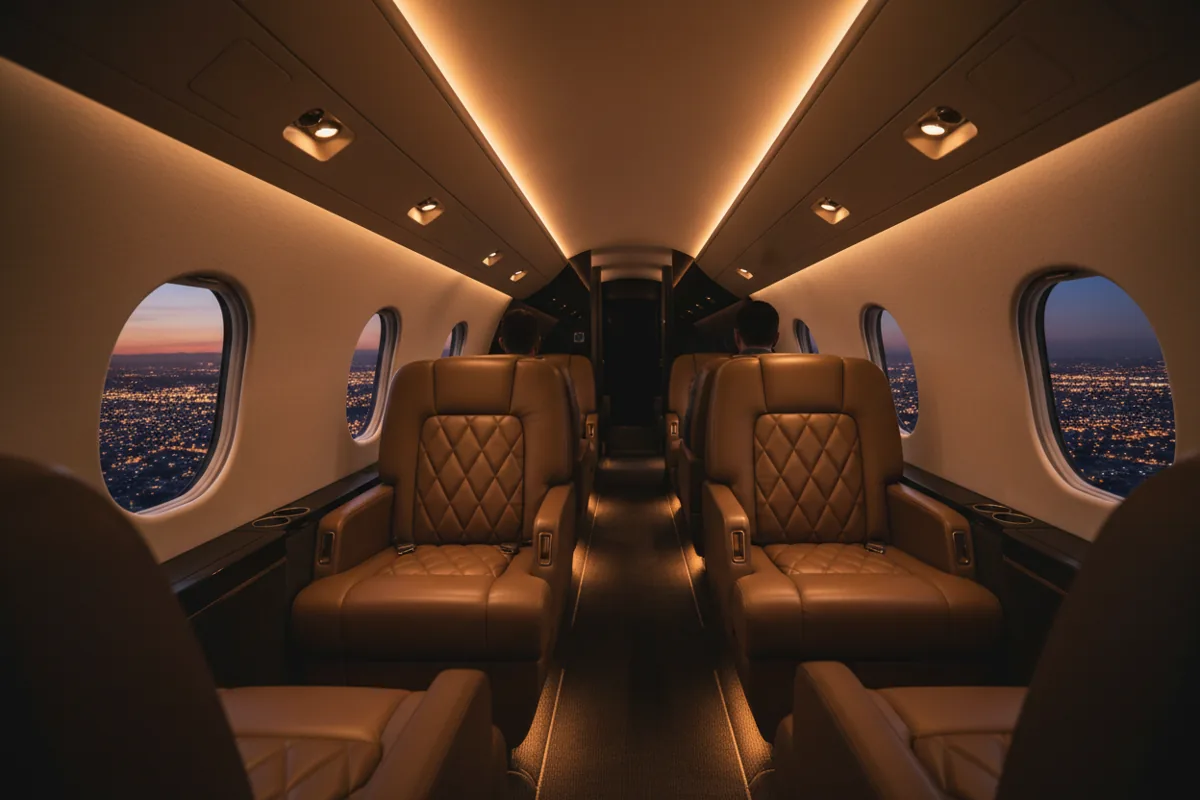
- Cabin cross-section: 57 inches high and 58 inches wide
The published spec table for the M2, which shares the CJ1 airframe, lists a cabin length of 11 feet, up to seven passengers and a ceiling of 41,000 feet. The M2 has more thrust and improved performance, so treat its figures as an upper bound for the CJ1 and ask the operator for trip-specific numbers.
Airframe Design of Citation CJ1 Jet
The CitationJet uses the forward fuselage of the Citation II, joined to a new carry-through section and a new laminar-flow, supercritical wing developed with NASA and Boeing. It has a straight wing and a T-tail. Cessna designed the CitationJet to operate from short runways, the kind used by twin piston-engine aircraft.
Avionics and Cockpit of Citation CJ1 Jet
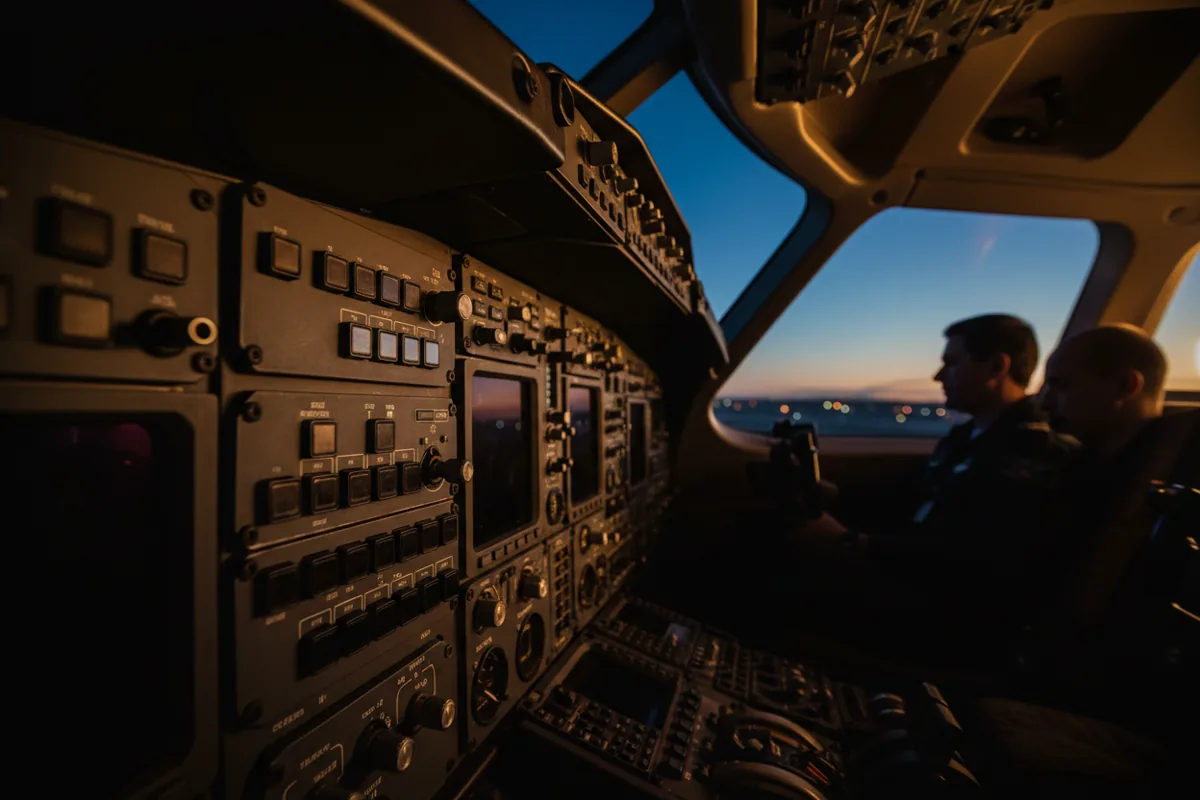
The CJ1 introduced the Rockwell Collins Pro Line 21 suite to this model line. Its successor, the M2, moved to Garmin G3000 avionics. Since owners can upgrade their aircraft, check the installed equipment on any specific CJ1.
Performance Capabilities of Citation CJ1 Jet
The CJ1 is built for short to medium trips rather than long range. Its successor, the M2, has more thrust and winglets and is 22 knots faster than the CJ1+ at 41,000 feet. That gives a sense of where the CJ1 sits: a capable light jet, slower than its newer replacement.
Range on any trip depends on passengers, bags, winds and reserves. The operator will confirm whether your route can be flown nonstop.
Operational Costs of Citation CJ1 Jet
A light jet like the CJ1 burns less fuel per hour than a midsize or large jet. Low operating cost was one of Cessna's design goals for the CitationJet. Total cost depends on hours flown, hangar, insurance, maintenance and the engine program.
Maintenance Requirements of Citation CJ1 Jet
Maintenance follows Cessna's inspection program and the FAA's requirements. Engine programs spread the cost of overhauls over the hours flown. In 2014, the GE Honda HF120 engine was announced as a retrofit option for the CJ, CJ1 and CJ1+.
Competitors and Alternatives in the Industry
Within Cessna's own lineup, the CJ1 sits between the smaller Citation Mustang and the larger CJ2. Neither the CJ1 nor the Mustang is in production today. Cessna's current light jets are the M2 Gen3, CJ3 Gen3 and CJ4 Gen3.
Citation CJ1 Jet for Personal and Business Use
The CJ1 suits owner-pilots and small companies that fly short regional trips. For charter, it fits a small group who wants a direct flight to a smaller airport. BLADE arranges private jet charters with licensed operators. Tell BLADE your route, date and group size, and compare the aircraft available.
Advantages of Citation CJ1 Jet
- Single-pilot certification
- Designed to operate from short runways
- Lower operating cost than larger jets
- Part of a large family of related Model 525 jets
Disadvantages and Limitations of Citation CJ1 Jet
- A small cabin, 57 inches high, so you cannot stand up
- Shorter range than larger light jets such as the CJ3 and CJ4
- Out of production, so every aircraft is pre-owned
Overall Impression and Recommendation for Citation CJ1 Jet.’
The CJ1 is a sensible light jet for short trips with a small group. If you need more cabin or range, look at a larger jet in the same family.
FAQs about What Is An Citation Cj1 Jet?
What is a Citation CJ1 jet?
It is a light business jet from Cessna, part of the Model 525 CitationJet family, certified for a single pilot.
What are the key features of a Citation CJ1 jet?
Pro Line 21 avionics, two Williams FJ44 engines, a straight wing for short runways and single-pilot certification.
How much does a Citation CJ1 jet cost?
Prices depend on the year, the hours and the condition of the aircraft. For charter, request a quote for your route.
What type of missions is a Citation CJ1 typically used for?
Short and medium regional trips with a small group.
What is the maximum speed and altitude of a Citation CJ1 jet?
The CJ1 family is certified to 41,000 feet. Its successor, the M2, is 22 knots faster than the CJ1+ at that altitude.
How does a Citation CJ1 compare to other aircraft in its class?
It offers a short-runway wing and single-pilot operation in a small cabin. Larger models such as the CJ2 and CJ3 offer more cabin and range.